Trump escalates Iran ultimatum as strikes intensify

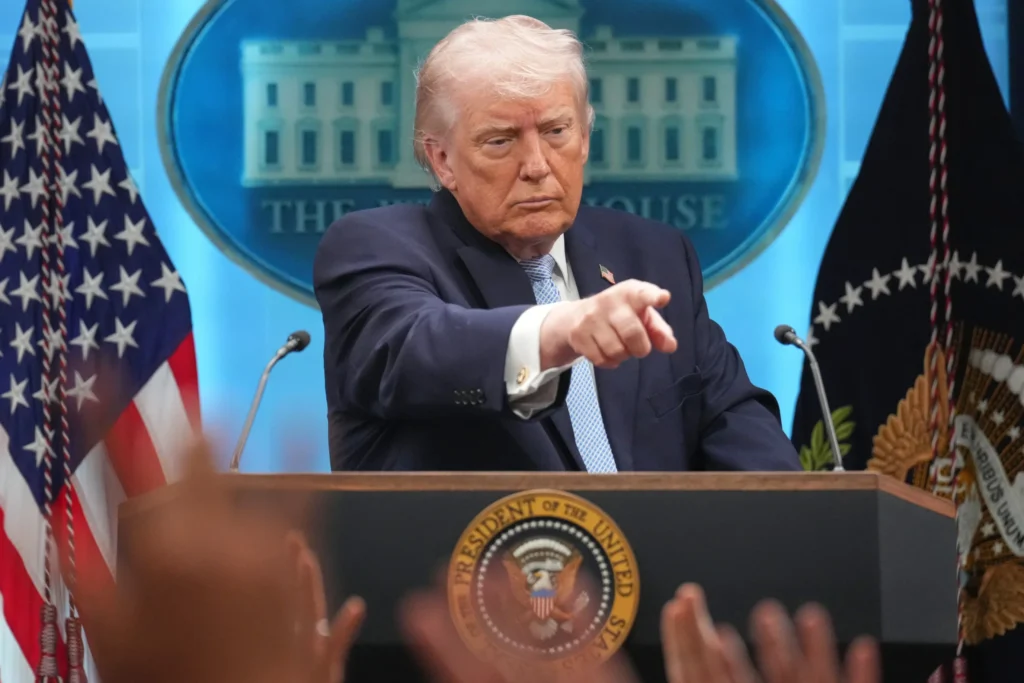
The Trump Iran ultimatum has sharply escalated tensions in the Middle East, as U.S. President Donald Trump warned that “a whole civilization will die tonight” if Tehran fails to reach a deal before his latest deadline.
As the deadline approached, airstrikes intensified across Iran, while diplomatic efforts struggled to keep pace with rapidly rising rhetoric and military action.
Escalating rhetoric and pressure before deadline
Iranian officials urged citizens to form human chains around power plants, signaling fears of imminent U.S. strikes on critical infrastructure. At the same time, Trump doubled down on threats to destroy Iran’s energy grid and transportation network if the country does not reopen the Strait of Hormuz.
The narrow waterway handles roughly 20% of global oil supply, making it a critical pressure point in the conflict.
Despite the aggressive tone, Trump left a narrow opening for diplomacy, suggesting that “something revolutionarily wonderful can happen.” Still, Iranian leaders rejected the latest U.S. proposal, and negotiations appeared uncertain as the deadline loomed.
Airstrikes intensify as conflict widens
Military activity surged across the region. U.S. forces struck targets near Iran’s key oil hub, while Israeli airstrikes hit bridges, railways and petrochemical facilities.
Iran responded with missile and drone attacks targeting Israel and Saudi Arabia, forcing temporary closures of key infrastructure and heightening regional instability.
Casualties continue to mount. Thousands have been killed across Iran, Lebanon and neighboring areas since the conflict began, while millions have been displaced.
Global concern grows over potential war crimes
International leaders warned that targeting civilian infrastructure could violate international law. António Guterres cautioned that such attacks are prohibited, while European officials warned of a dangerous escalation spiral.
Despite these concerns, Trump said he was “not at all” worried about potential war crimes, underscoring the widening gap between military strategy and international pressure.
Oil markets and diplomacy race against time
Beyond the battlefield, the conflict continues to shake the global economy. Iran’s control over the Strait of Hormuz has disrupted oil flows, pushing prices sharply higher and increasing costs worldwide.
Behind the scenes, mediators from countries including Pakistan, Egypt and Turkey are working to secure a last-minute agreement. Iran has tied any reopening of the strait to sanctions relief, while the U.S. has signaled limited flexibility.
For now, the outcome remains uncertain. But as the ultimatum nears its final hours, the risk of a broader and more destructive phase of the conflict continues to rise.
Author: Staff Writer | Edited for WTFwire.com | SOURCE: AP News
: 21