Markets wobble as Trump Iran deadline nears


Global markets traded unevenly Tuesday as the Trump Iran deadline approached, with investors reacting to rising geopolitical tension and surging oil prices.
Futures on Wall Street pointed lower before the opening bell, while crude prices climbed to their highest levels in nearly four years, reflecting mounting concern over supply disruptions tied to the conflict.
Oil surge and rising geopolitical pressure
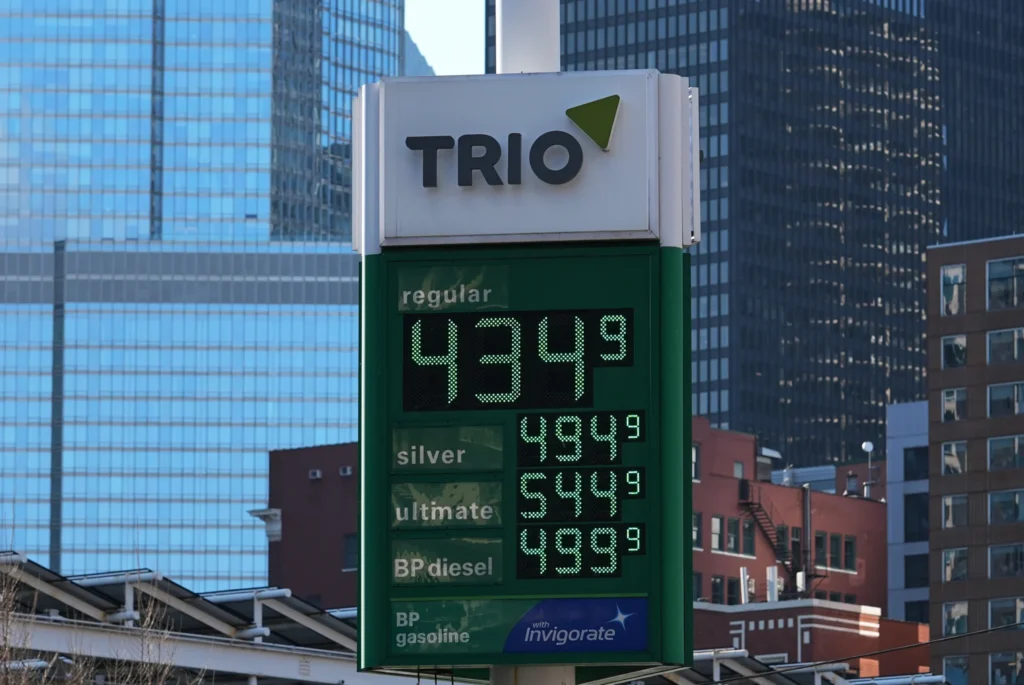
Prices for U.S. crude rose more than 2% to nearly $115 a barrel, while Brent crude topped $110. The rally extends a broader surge, with oil prices up more than 70% since the conflict escalated in late February.
The spike comes as Donald Trump pushes Iran to reopen the Strait of Hormuz, a critical route that carries roughly one-fifth of global oil shipments.
Ahead of the deadline, U.S. airstrikes hit Tehran while Iranian officials called on civilians to shield key infrastructure, underscoring the intensity of the standoff.
Markets react to uncertainty and mixed signals
Equity markets reflected the uncertainty. Futures for the S&P 500 and Dow Jones Industrial Average each fell 0.5%, while Nasdaq futures dropped 0.7%.
At the same time, Asian markets showed mixed performance. Japan’s Nikkei ended little changed, while Australia and South Korea posted gains. European markets were similarly uneven in midday trading.
Analysts noted that the repeated extensions of Trump’s ultimatum have created a cycle of escalation without resolution, keeping markets on edge.
Broader economic risks remain in focus
Iran’s grip on the Strait of Hormuz continues to pressure the global economy, raising concerns about energy supply, inflation and growth.
While diplomatic efforts are ongoing, Iran has rejected the latest ceasefire proposal and is demanding a permanent end to the conflict. That stance, combined with continued military activity, has left investors bracing for further volatility.
Beyond geopolitics, corporate news also drew attention. Pershing Square Capital Management proposed a $64 billion deal involving Universal Music Group, sending shares of the music giant sharply higher in Amsterdam.
Still, the dominant driver remains the geopolitical outlook. With no clear resolution in sight, markets are likely to remain sensitive to headlines as the deadline approaches.
Author: Staff Writer | Edited for WTFwire.com | SOURCE: ABC News
: 24