Polymarket bets spark insider trading concerns in US

Unusual Polymarket bets tied to major geopolitical events are triggering calls in Congress for formal investigations, after traders appeared to predict outcomes just minutes before they became public.
Lawmakers are now questioning whether the platform allows insider trading tied to sensitive political and national security developments.
Suspicious trades before Iran ceasefire
According to reporting, at least 50 newly created accounts placed large Polymarket bets on a U.S.-Iran ceasefire shortly before Donald Trump announced the agreement.
These accounts made no other trades, raising concerns about whether traders had access to nonpublic information.
Earlier cases have added to the scrutiny. One trader reportedly made $400,000 betting on the removal of Nicolás Maduro shortly before his capture, while another earned more than $500,000 predicting U.S. military action against Iran.
Lawmakers call for investigation
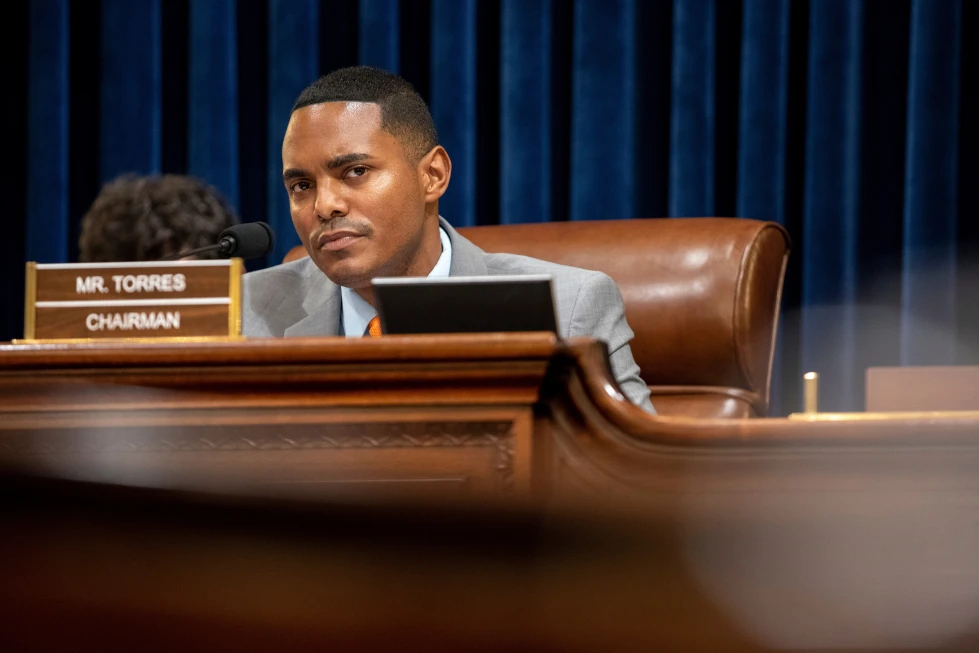
Ritchie Torres has urged the Commodity Futures Trading Commission to investigate the trades.
Torres said the pattern suggests that some participants may have used material nonpublic information.
“What is the statistical likelihood of placing a winning bet minutes before a major announcement?” he asked, casting doubt on the legitimacy of the trades.
Similarly, Richard Blumenthal demanded answers from Polymarket, warning that the platform could expose national security risks.
Prediction markets under growing scrutiny
Platforms like Polymarket and Kalshi allow users to bet on real-world events, from elections to economic decisions.
While supporters argue these markets improve forecasting, critics say they create opportunities for exploitation.
A recent study by Harvard University estimated that $143 million in profits may be linked to traders with potential insider knowledge across multiple events.
Regulatory pressure intensifies
The controversy comes as both Polymarket and Kalshi seek to expand their presence in the United States.
Polymarket, which was banned in the U.S. in 2022, is attempting to reenter the market through regulatory approvals. Meanwhile, Kalshi is already licensed and expanding into areas such as sports-related contracts.
Lawmakers from both parties have introduced legislation that could restrict or ban certain types of event-based betting.
National security and market risks
Critics warn that Polymarket bets tied to geopolitical events could create broader risks.
Some lawmakers argue that adversaries could use these platforms to anticipate U.S. actions or exploit sensitive information.
The debate now extends beyond financial regulation into national security concerns, increasing pressure on regulators to act.
A turning point for prediction markets
The surge in scrutiny suggests a potential turning point for the industry.
As regulators assess the risks, the future of platforms like Polymarket may depend on whether they can prove that markets are fair and free from insider influence.
For now, the controversy surrounding Polymarket bets highlights the challenges of blending finance, technology, and real-world events in a rapidly evolving market.
Author: Staff Writer | Edited for WTFwire.com | SOURCE: AP News
: 248