Europe Warns Oil and Gas Prices Will Stay High Through 2027

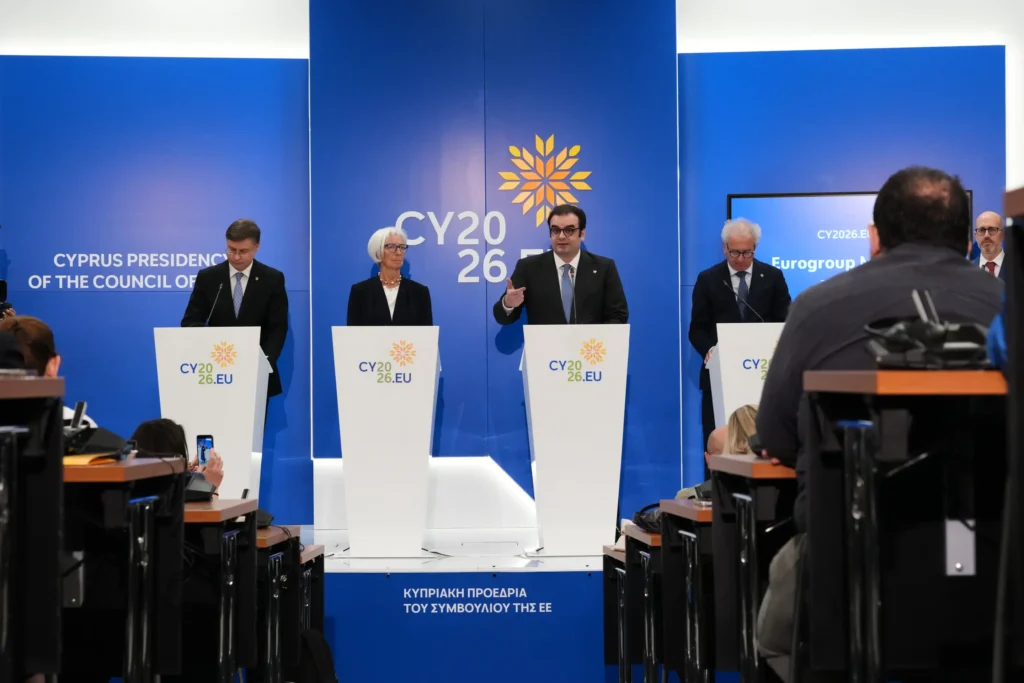
European Union officials warned Friday that oil and gas prices across European Union are expected to remain elevated through at least the end of 2027 as the ongoing Iran conflict continues to disrupt global energy markets.
Officials also cautioned that rising energy costs will likely continue pushing up prices for consumer goods and services across the European economy.
EU officials link inflation surge to energy prices
EU Economy Commissioner Valdis Dombrovskis said higher energy prices are now the main driver behind Europe’s rising inflation outlook.
The European Union now forecasts inflation at:
- 3.1% for 2026
- 2.4% for 2027
Those figures are significantly higher than earlier estimates that projected inflation at 1.9% this year.
Dombrovskis warned that energy-related inflation is beginning to spread into other sectors of the economy.
“We expect that this energy inflation will gradually also trickle down to different sectors of the economy,” he said following a meeting of eurozone finance ministers.
ECB says price increases could continue even after the conflict ends
Christine Lagarde said Europe could continue feeling the economic effects of the Middle East conflict even if hostilities stopped immediately.
Lagarde explained that the crisis has already created lasting inflationary pressure throughout the economy.
She warned that prices will likely remain permanently higher after the crisis eventually ends.
“And it’s probably a fact that price levels will be higher at the end of this crisis,” Lagarde said.
European Central Bank monitoring inflation risks closely
The European Central Bank said it remains committed to keeping inflation near its long-term 2% target.
Lagarde stated the ECB will continue evaluating economic data meeting by meeting before deciding whether interest rate increases are necessary.
So far, the bank has avoided signaling immediate policy changes despite growing concerns about inflation.
Strait of Hormuz remains central to Europe’s concerns
Eurogroup President Kyriakos Pierrakakis said Europe’s economic outlook heavily depends on restoring free navigation through the Strait of Hormuz.
Roughly 20% of the world’s oil and gas supply passes through the narrow waterway.
The conflict tied to Iran has disrupted shipping traffic and fueled fears of long-term energy shortages and transportation bottlenecks.
Europe still expects modest economic growth
Despite higher inflation and energy costs, eurozone officials said they are not currently expecting a recession.
Economic growth projections for the eurozone now stand at:
- 0.9% growth in 2026
- 1.2% growth in 2027
Those forecasts are weaker than previous estimates but still indicate continued economic expansion.
Pierrakakis said the region remains resilient despite mounting global uncertainty.
Rising energy prices are affecting households and businesses
Higher oil and gas prices have already increased:
- Transportation costs
- Manufacturing expenses
- Heating and electricity bills
- Food and consumer product prices
European households and businesses continue to face pressure as borrowing costs also remain elevated.
The energy shock has added to broader global concerns about inflation, central bank policy and slowing economic growth tied to the ongoing Middle East conflict.
: 13