US Producer Prices Drop 0.3% in June as Energy Costs Fall

US wholesale inflation fell in June at its fastest monthly pace since April 2025 as energy prices plunged, but the renewed escalation of fighting with Iran is already reversing some of those gains and threatening to undo progress on inflation in the months ahead.
Biggest Monthly PPI Drop in Over a Year
The Labor Department reported Wednesday that its producer price index — which tracks inflation before it reaches consumers — fell 0.3% from May to June, reversing a 0.6% increase the previous month. Compared to a year earlier, US producer prices June 2026 wholesale inflation data showed a 5.5% annual increase, decelerating from 6% in May.
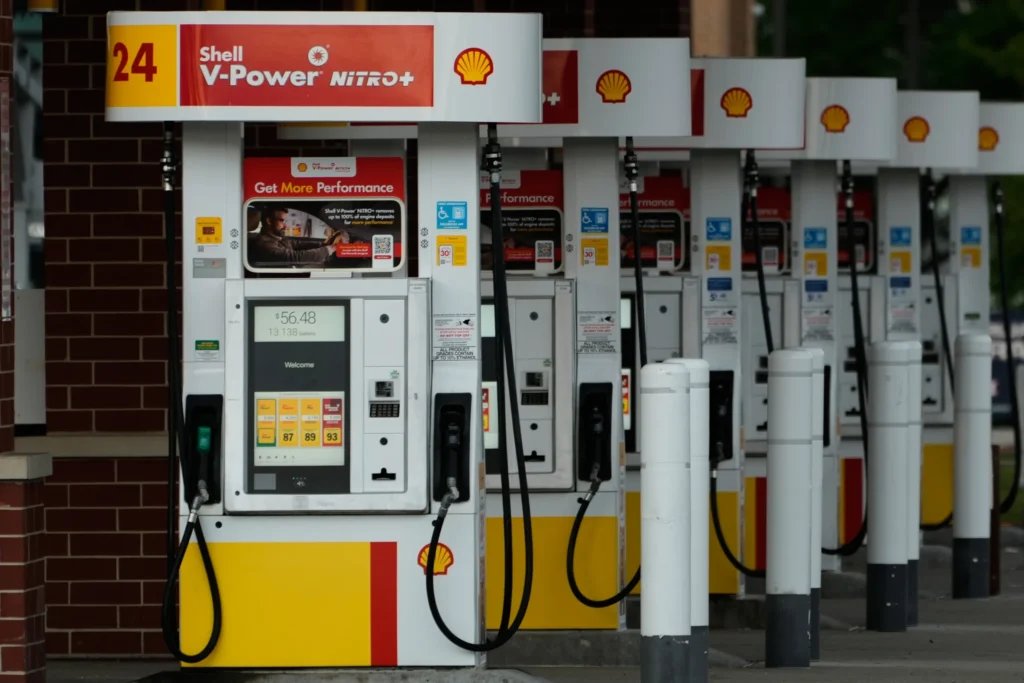
Gasoline prices drove the monthly decline, plunging 12% in June. Despite that drop, gas prices remain nearly 43% higher than they were in June 2025, reflecting the sustained impact of the Iran war on energy markets. Food prices also edged lower in June.
Excluding volatile food and energy costs, core wholesale prices rose 0.2% from May and were up 4.7% from a year earlier.
Two Consecutive Favorable Inflation Reports
Wednesday’s producer price report follows Tuesday’s consumer price data showing that CPI fell 0.4% from May to June — the largest monthly decline in four years — with annual inflation dropping to 3.5% from 4.2% in May. Together, the two reports provide the clearest evidence yet that the inflation spike caused by the Iran war’s energy shock may be easing — at least for now.
“There’s no near-term pressure on the Fed, but oil is in the driver’s seat over the longer term,” said David Russell, global head of market strategy at TradeStation. “Energy saved the day in June, but that might become ancient history if the Strait of Hormuz doesn’t open soon.”
Iran Escalation Threatens to Reverse Gains
The favorable readings were immediately complicated by renewed Middle East hostilities. Energy prices have moved higher since Trump announced a new blockade of the Strait of Hormuz on Monday, through which roughly one-fifth of the world’s oil and natural gas flows. Any sustained rise in crude prices would be expected to feed back into consumer and wholesale prices in coming months, potentially reversing the June improvements.
Fed Chair Kevin Warsh, in his first congressional testimony since taking the role in May, told the House Financial Services Committee on Tuesday that the Fed has “no tolerance for persistently elevated inflation” but stopped short of signaling whether rate hikes are coming. The June data reduces urgency on the Fed to act, though core inflation at both the consumer and wholesale levels remains above the Fed’s 2% target.
Why Wholesale Prices Matter
The producer price index provides an early window into where consumer inflation may be headed, as costs at the wholesale level often flow through to final retail prices. Economists also watch specific PPI components — particularly healthcare and financial services — because they feed directly into the Federal Reserve’s preferred inflation measure, the personal consumption expenditures index.
With many Americans already frustrated by elevated living costs and midterm elections approaching in November, the inflation trajectory in coming months carries significant political as well as economic consequences for Trump and the Republican Party.
Author: Staff Writer | Edited for WTFwire.com | SOURCE: AP News
: 13