Cyclospora Outbreak: What to Eat and Avoid as Cases Top 7,000

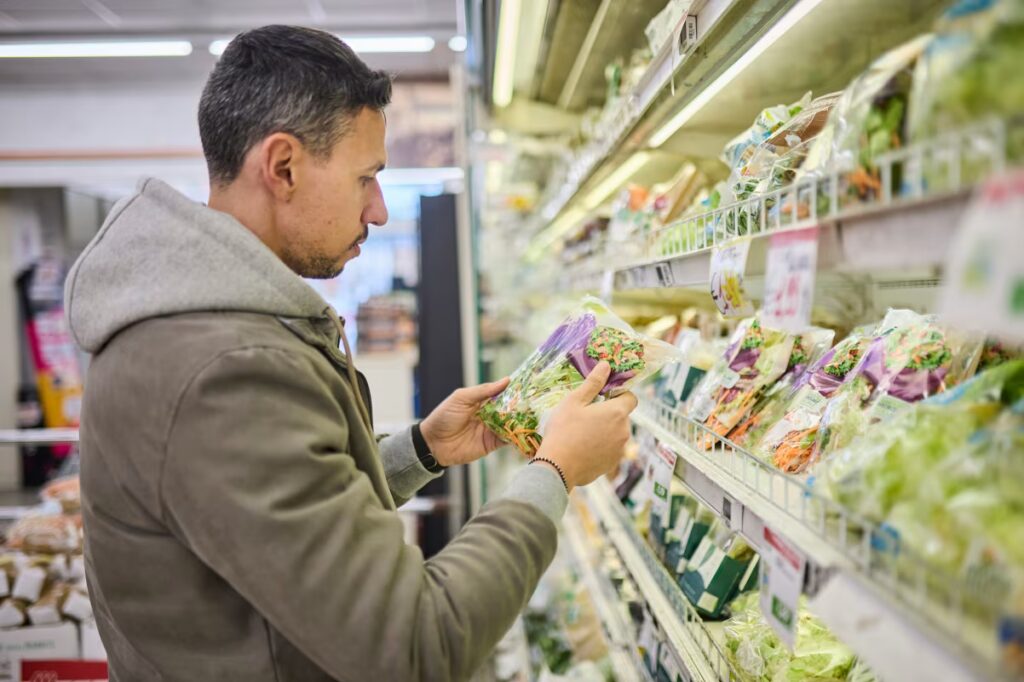
More than 7,000 cyclospora cases have been confirmed or are under investigation across 34 states since May 1, with Michigan and Ohio accounting for more than 3,000 of those. Lettuce and salad greens have emerged as a likely source in Michigan, though no specific product or supplier has been confirmed. Here is what food safety and infectious disease experts say you should buy, avoid, and do differently in your kitchen right now.
Who Is Most at Risk
Cyclospora causes cyclosporiasis, an intestinal infection with symptoms including prolonged watery diarrhea, cramping, nausea, fatigue, loss of appetite, and weight loss that typically develops two days to two weeks after exposure. The illness can last weeks without treatment. Roughly 1 in every 11 reported cases has required hospitalization, though no deaths have been reported.
“Those most at risk are young children, elderly individuals and immunosuppressed people,” said Dr. Dan Barouch, director of the Center for Virology and Vaccine Research at Beth Israel Deaconess Medical Center. Healthy adults often experience milder illness, but he noted that precautions still make sense, particularly for vulnerable groups.
Foods to Avoid Right Now
Experts recommend steering clear of precut and pre-packaged salad products until the source is identified. Bagged salad mixes and kits have been specifically linked to past cyclospora outbreaks in the United States and Canada. Taco Bell announced Tuesday it was removing some fresh ingredients from menus at select locations as a precaution.
“It’s probably a good idea to avoid bagged lettuce products and bagged salad products for now. And if those are desired, then to rewash them at home, even if they come prewashed, because the actual source of the outbreak is not yet known,” Barouch said.
Other produce historically linked to cyclospora outbreaks includes raspberries, basil, cilantro, berry mixes, snap peas, and coleslaw. Bruised, damaged, or moldy produce should also be avoided.
People with weakened immune systems “may want to avoid eating fresh produce altogether until a culprit is determined, given that this particular population is at a higher risk for severe disease,” said Dr. Nuwan Gunawardhana, a hospital epidemiologist at Columbia University Irving Medical Center.
Foods You Can Still Safely Buy
Experts are not recommending that people stop eating fruits and vegetables entirely. Whole, uncut produce typically undergoes less handling than precut items and carries lower contamination risk.
“My personal risk threshold allows me to continue eating what I normally eat, with a little more caution about preparation, because I know that — whatever the source of the pathogen is — the vast majority of fresh fruits and vegetables on the market are safe to consume,” said environmental microbiologist Don Stoeckel of the Produce Safety Alliance.
Michigan health officials suggest purchasing whole head lettuce rather than bagged varieties, discarding the outer two to three leaves, and thoroughly washing the remaining inner leaves before eating. Produce that can be peeled offers additional protection, as peeling removes the contaminated outer surface.
The Right Way — and Wrong Way — to Wash Produce
Proper handwashing and produce rinsing under clean running water are effective risk-reduction steps. Physically rubbing or scrubbing firm produce such as cucumbers, melons, and potatoes with your hands or a brush adds further protection.
However, several common instincts are counterproductive. Do not wash produce with soap, bleach, diluted sanitizers, or chlorinated tablets. Cyclospora is highly resistant to chlorine, and chemical disinfectants can leave harmful residues without killing the parasite. The CDC explicitly notes that chemically disinfecting produce “might not fully eliminate Cyclospora.”
“Stay away from soaps and detergents or other additives that are not meant to be eaten. Dilute sanitizers are not effective against protozoan pathogens like Cyclospora and could cause more harm than good,” Stoeckel said.
When Cooking Is the Safest Option
Heat destroys the cyclospora outbreak food safety threat entirely. Cooking produce to an internal temperature of at least 158 degrees Fahrenheit kills the parasite, making cooked vegetables significantly safer than raw options during an active outbreak.
“The best way to actually prevent getting sick from this particular organism is really thoroughly cooking it,” Gunawardhana said.
Food safety experts also emphasize preventing cross-contamination in the kitchen — keeping unwashed produce separate from ready-to-eat foods, raw meat, poultry, and seafood, and cleaning work surfaces between food preparation tasks. “Keeping work surfaces clean, including hand washing, to prevent cross-contamination from one food item to another” is essential, Stoeckel said — not only during outbreaks but as standard kitchen practice.
Author: Staff Writer | Edited for WTFwire.com | SOURCE: CNN News
: 282