Gas prices fuel biggest inflation spike in four years

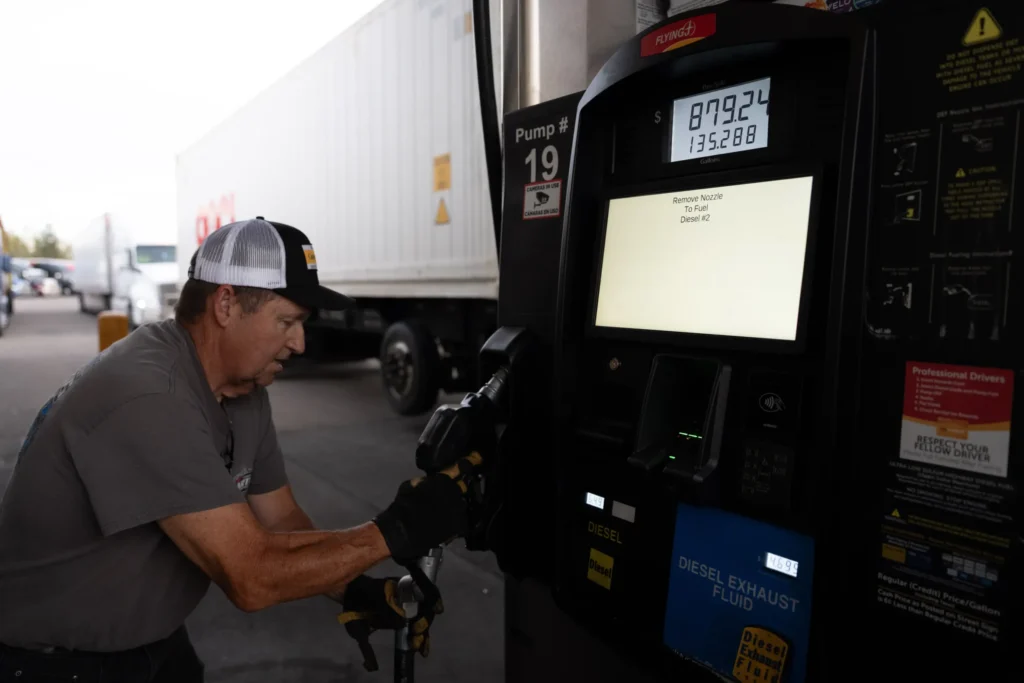
Gas prices drove the sharpest inflation increase in four years, pushing U.S. consumer prices higher in March and complicating the outlook for both policymakers and households.
Data from the U.S. Labor Department showed prices rose 3.3% compared with a year earlier, up from 2.4% in February. On a monthly basis, inflation climbed 0.9%, marking the largest increase since 2022.
The surge reflects the immediate economic impact of the Iran war, which triggered a rapid jump in fuel costs and disrupted energy markets worldwide.
Energy costs hit households and policy
Higher gasoline prices are already squeezing household budgets. As fuel costs rise, families are forced to cut spending elsewhere, making it harder to afford essentials such as food and housing.
The spike also presents a growing challenge for the Federal Reserve, which must balance rising inflation with the risk of slowing economic growth.
Economists warn the pressure may intensify in the short term. Fuel costs are expected to rise further in April, extending the inflation surge before any potential stabilization later in the year.
Inflation pressures remain uneven
Despite the jump in headline inflation, underlying price trends remain more moderate. Core inflation — which excludes food and energy — rose 2.6% annually and just 0.2% on a monthly basis.
That suggests the energy shock has not yet spread broadly across the economy. However, analysts expect higher transportation and production costs to eventually push prices upward in sectors like food and retail.
Shipping costs, driven by rising diesel prices, are already putting pressure on supply chains and could soon translate into higher grocery bills.
Markets face uncertainty as outlook shifts
The current inflation spike has altered expectations for monetary policy. Instead of cutting rates, the Federal Reserve is now likely to keep interest rates elevated for longer, with some officials even considering potential hikes if inflation persists.
At the same time, economists do not expect a repeat of the 2022 inflation surge, when prices exceeded 9%. Weaker consumer demand and slower income growth may limit how far inflation rises this time.
Still, the trajectory depends heavily on how long energy prices remain elevated and whether geopolitical tensions ease.
Political pressure builds as gas prices rise
Gasoline prices, one of the most visible costs for consumers, are already shaping public sentiment. The national average has climbed to about $4.15 per gallon, nearly 40% higher than before the war began.
That increase is weighing on consumer confidence and could have broader political implications as voters react to rising living costs.
For now, the gas prices inflation spike marks a clear turning point. Whether it becomes a short-term shock or a longer-lasting trend will depend largely on energy markets — and the path of the conflict driving them.
Author: Staff Writer | Edited for WTFwire.com | SOURCE: AP News
: 9