Dubai digital asset market shifts toward scale and growth

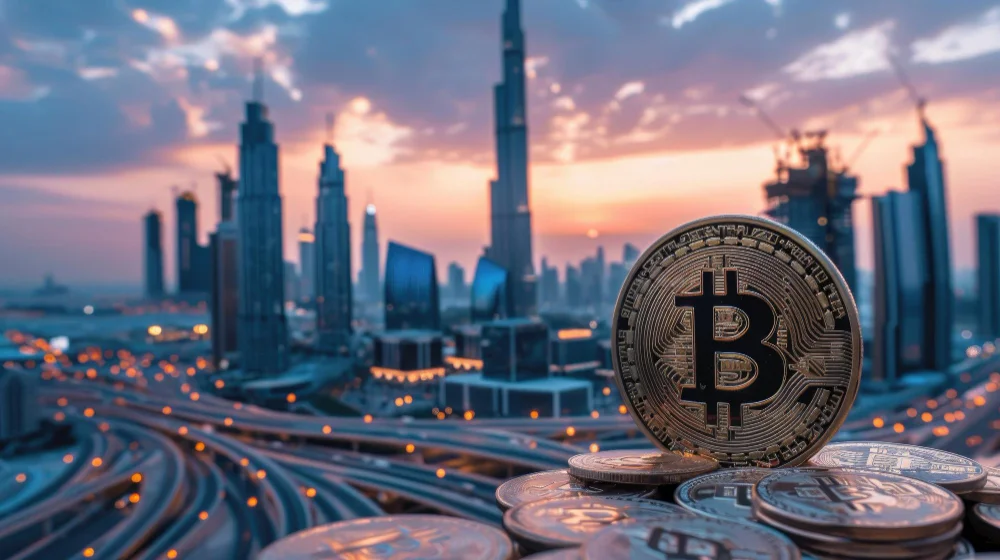
The Dubai digital asset market is entering a new phase as tokenisation, stablecoins, and startup capital reshape how financial systems operate in the region.
With clearer regulation and stronger market access, companies are no longer experimenting—they are building for scale.
Tokenisation drives the Dubai digital asset market
At the center of this transformation is tokenisation. According to Adam Popat, CEO of SettleMint, the shift goes far beyond a single blockchain use case.
Instead, it represents a structural change in financial infrastructure.
Tokenisation allows assets such as equities, bonds, funds, real estate, and commodities to move faster and more efficiently. It enables instant settlement, reduces operational risk, and improves liquidity.
Popat described it as a fundamental reset: a process that is effectively “re-plumbing the entire financial system.”
Regulation accelerates market growth
A key driver behind the Dubai digital asset market is its evolving regulatory framework.
Institutions such as Virtual Assets Regulatory Authority, Dubai Financial Services Authority, Dubai International Financial Centre, and Dubai Multi Commodities Centre are shaping the ecosystem.
Unlike other regions, regulators in Dubai are actively working alongside companies. This collaborative approach provides clarity and reduces friction for businesses entering the market.
As a result, companies can focus on execution rather than navigating uncertainty.
Stablecoins emerge as a practical payment solution
Stablecoins are becoming another core pillar of the Dubai digital asset market.
They offer a faster and more efficient alternative to traditional cross-border payments, which often involve multiple intermediaries, delays, and higher costs.
Popat highlighted their role in improving global transactions, especially in emerging markets where financial infrastructure remains fragmented.
Looking ahead, he identified tokenisation as the top long-term trend, followed closely by stablecoins and real-world asset integration.
Why startups are choosing Dubai
The Dubai digital asset market is also attracting startups at an increasing pace.
The region offers access to:
- Strong capital from family offices, corporates, and venture capital firms
- A growing base of enterprise clients
- A supportive ecosystem for innovation
This combination creates an environment where startups can build, test, and scale within the same market.
Popat described Dubai as an ideal “testing ground” for new blockchain businesses, where both funding and customers are readily available.
For startups entering the Dubai digital asset market, strategic setup matters.
Popat recommends evaluating different jurisdictions, including Dubai International Financial Centre and Dubai Multi Commodities Centre, as each offers unique advantages.
He also emphasized mindset: founders should approach the market with openness, adaptability, and a focus on partnerships.
Success depends not only on entering the market, but on understanding its structure and building strong local relationships.
Dubai as a gateway to global markets
Dubai’s role extends beyond its local ecosystem.
The city is increasingly positioned as a hub where digital asset solutions are developed and then expanded into larger markets, including India.
This makes Dubai not just an entry point, but a strategic base for regional and global growth.
The broader takeaway is clear. The Dubai digital asset market is moving beyond early experimentation into real-world application.
Tokenisation and stablecoins are no longer theoretical concepts—they are becoming operational tools across finance.
The next challenge will be scaling these innovations across markets and industries.
Author: Staff Writer | Edited for WTFwire.com | SOURCE: Economic Times
: 112