Trump imposes 25% tariff on EU cars and trucks

WASHINGTON — Donald Trump announced Friday that the United States will impose a 25% tariff on cars and trucks imported from the European Union, escalating trade tensions and signaling a renewed push to boost domestic manufacturing.
The new tariffs are expected to take effect next week, according to the president, who accused the EU of failing to comply with an existing trade agreement.
Trump cites trade deal violations
In a post on his social media platform, Trump said the decision was based on what he described as noncompliance by European partners.
“Based on the fact the European Union is not complying with our fully agreed to Trade Deal, next week I will be increasing tariffs,” Trump wrote.
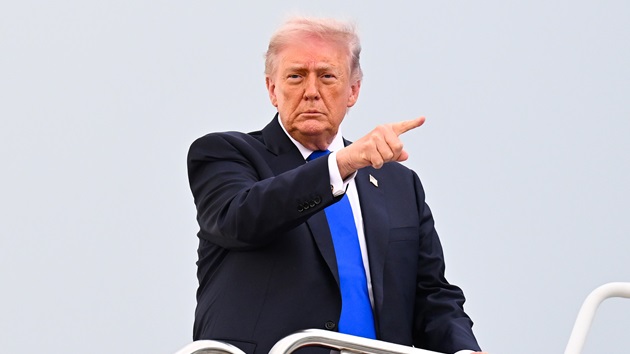
Speaking later as he departed the White House, Trump doubled down on the move, saying the EU had not adhered to the terms of the agreement “as usual.”
The administration has not yet clarified the legal authority behind the measure. However, officials are expected to rely on Section 232 of U.S. trade law, which allows tariffs on imports deemed a threat to national security.
Push to shift production to the U.S.
Trump framed the tariffs as part of a broader strategy to incentivize automakers to manufacture vehicles domestically.
He said companies that produce cars and trucks within the United States would avoid the tariffs entirely, adding that significant investment in U.S. manufacturing is already underway.
“Many automobile and truck plants are currently under construction,” Trump said, claiming more than $100 billion is being invested in the sector, though he did not provide details.
Trade tensions likely to escalate
The announcement risks deepening trade friction between Washington and Brussels, particularly as both sides navigate broader economic pressures linked to global supply disruptions and rising energy costs.
Tariffs on imported vehicles are typically passed on to consumers, raising prices and potentially affecting demand in an already strained auto market.
The European Union has not yet issued an official response, and it remains unclear whether retaliatory measures could follow.
What comes next
The White House has not released further details on implementation or scope, including whether exemptions or phased timelines will apply.
With the policy set to take effect within days, automakers, importers and policymakers are bracing for potential ripple effects across global supply chains.
Author: Staff Writer | Edited for WTFwire.com | SOURCE: ABC News
: 174