US gasoline prices hit highest level in four years

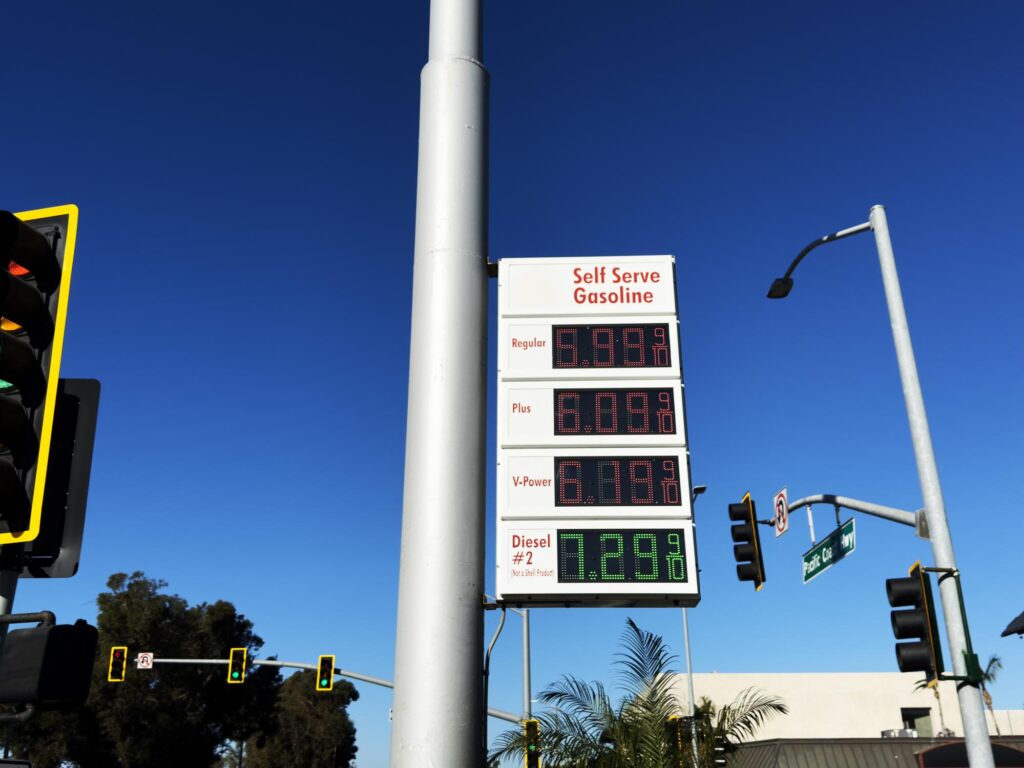
WASHINGTON — Gasoline prices in the United States have climbed to their highest level in four years, reflecting mounting pressure in global energy markets as the conflict involving Iran shows no signs of resolution.
According to data from the American Automobile Association, the national average price for a gallon of gasoline reached $4.17 on Tuesday. That represents a sharp increase of $1.19 per gallon since late February, when the war began.
War-driven oil shock pushes prices higher
The surge in fuel costs follows a major disruption in global oil supply triggered by the conflict between the U.S., Israel and Iran.
The situation intensified after Iran restricted access through the Strait of Hormuz, a critical maritime route responsible for transporting roughly 20% of the world’s oil.
As a result:
- Global oil supply tightened significantly
- Crude prices surged more than 50% since pre-war levels
- Fuel costs rose rapidly across international markets
U.S. crude oil futures hovered near $99 per barrel, reflecting the sustained upward pressure.
Why US drivers are still affected
Despite being a net exporter of petroleum, the United States remains exposed to global price swings.
Oil is traded in an international market, meaning domestic fuel prices respond to global supply disruptions — not just local production levels.
Crude oil accounts for more than half of the price consumers pay at the pump, according to the U.S. Energy Information Administration.
Ceasefire hopes fade, prices rise again
Gasoline prices had briefly eased earlier in April following a temporary ceasefire announcement between the U.S. and Iran.
However, renewed tensions and stalled negotiations have reversed that trend.
In recent days:
- Oil prices resumed their climb
- Fuel costs followed upward
- Market volatility increased amid uncertainty
The lack of a clear diplomatic resolution continues to fuel concerns over prolonged price pressure.
What it means for consumers
The jump in gasoline prices is already affecting household budgets and broader inflation trends.
Higher fuel costs can:
- Increase transportation expenses
- Raise prices of goods and services
- Add pressure on central banks and policymakers
With peak driving season approaching, sustained high prices could further strain consumers.
Outlook: tied to geopolitics
The trajectory of gasoline prices now depends heavily on developments in the Middle East.
If tensions ease and shipping routes reopen, oil supply could stabilize — potentially lowering prices.
But if disruptions persist, analysts warn that fuel costs could remain elevated or rise further.
A fragile energy landscape
The latest surge underscores how quickly geopolitical shocks can ripple through global energy markets — and directly impact everyday costs.
For now, U.S. drivers are feeling the effects of a crisis unfolding thousands of miles away, with little certainty about when relief might arrive.
Author: Staff Writer | Edited for WTFwire.com | SOURCE: ABC News
: 179