Weaker dollar drives higher prices for US consumers

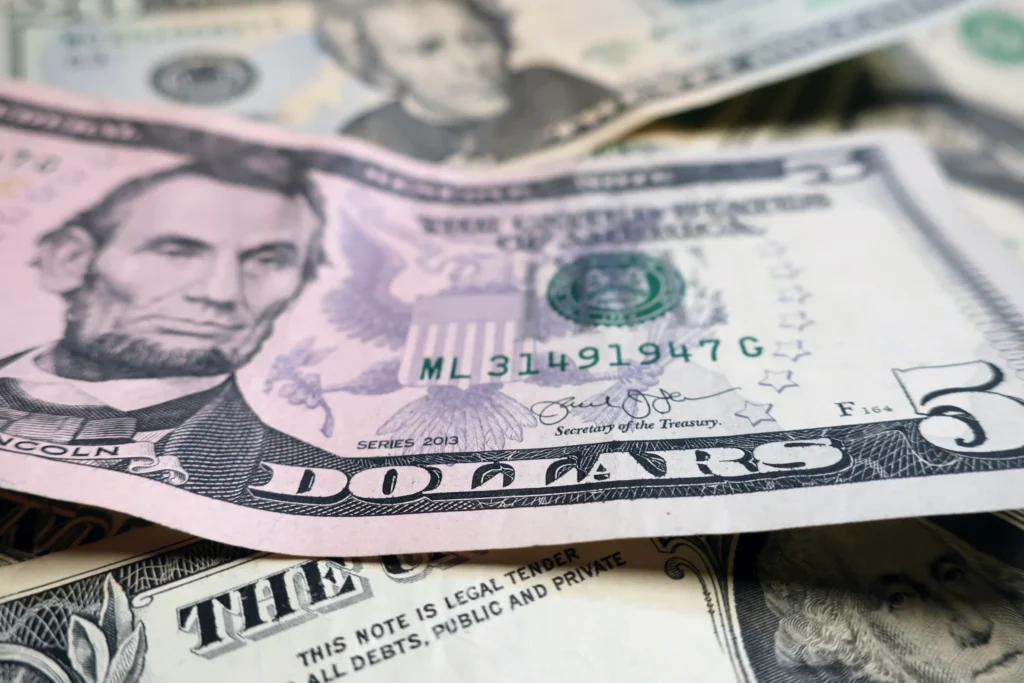
Weaker dollar US prices are becoming a growing concern for households, as the decline of the American currency quietly raises costs across everyday spending — from groceries to international travel.
The U.S. Dollar Index has dropped roughly 10% since Donald Trump returned to the White House, marking one of the steepest declines in decades.
A ‘hidden tax’ on consumers
Economists say a weaker dollar effectively acts like a hidden tax.
When the currency loses value, Americans need more dollars to buy imported goods or spend abroad. As a result, prices rise — even if the increase is not immediately obvious.
Why a weaker dollar matters
A strong dollar typically helps keep inflation in check by making imports cheaper. By contrast, a weaker currency has the opposite effect.
It can:
- Increase the cost of imported goods
- Push up travel expenses abroad
- Add pressure to already rising consumer prices
At the same time, it can benefit exporters by making U.S. goods cheaper for foreign buyers.
Big companies gain, small businesses feel pressure
Large multinational corporations often benefit from a weaker dollar.
Companies operating globally — including Coca-Cola and Philip Morris — have reported improved earnings due to favorable currency effects, as overseas revenue translates into more dollars.
However, smaller businesses face a different reality.
Firms that rely on imported materials or serve primarily domestic customers often see rising costs without the same international advantage. Many are forced to pass those costs on to consumers.
Everyday impact: travel, groceries and fuel
For consumers, the effects are most visible when traveling abroad or buying imported goods.
The dollar has weakened significantly against several currencies, including the euro and Mexican peso, making foreign travel more expensive for Americans.
Meanwhile, everyday items like coffee have also been affected. The U.S. relies heavily on imports from countries like Brazil, and currency shifts contribute to rising prices alongside other factors such as supply disruptions.
How much prices actually rise
Economists estimate that only a portion of currency depreciation — typically 5% to 10% — is passed directly to consumers in advanced economies like the United States.
Still, in an environment already shaped by inflation and higher energy costs linked to global conflicts, even small increases can add up.
What’s next for the dollar
Currency markets are constantly shifting, and some economists argue the dollar may continue to weaken after years of strength.
Kenneth Rogoff, a Harvard economist and former IMF official, suggests the dollar could decline further over the coming years.
At the same time, rising commodity prices — particularly oil — are expected to keep pressure on consumer costs regardless of currency movements.
A weaker dollar may help U.S. exporters and large global companies, but for most Americans, it translates into higher prices and reduced purchasing power — a subtle but growing force shaping the cost of living.
: 464