Starbucks rebounds as traffic and sales turn positive in Q1

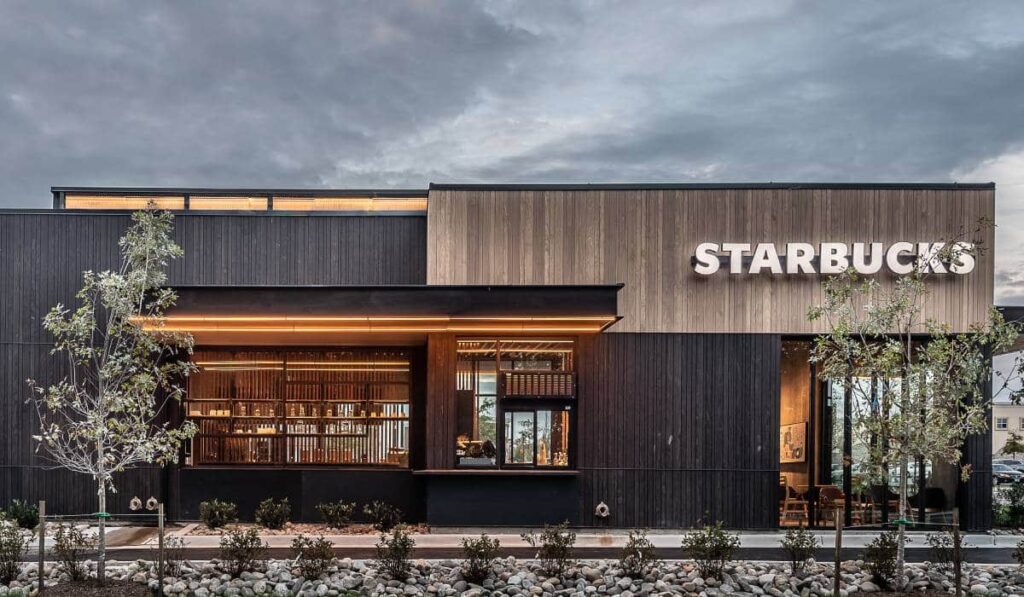
On Wednesday morning’s Q1 investor call, Starbucks CEO Brian Niccol declared, “The shine is back on our brand.”
The executive expressed optimism after reporting positive U.S. same-store sales and traffic for the first time in two years. North America and domestic comps rose 4 percent in Q1, fueled by a 3 percent rise in transactions and a 1 percent lift in average ticket. Niccol added that about half a point of positive comps was due to sales transfer from closed stores (a net of 177 shops shuttered in North America year-over-year).
International markets fared well too, with same-stores rising 5 percent, driven by a 3 percent increase in transactions and a 2 percent uptick in average ticket.
Additionally, Q1 marked the first time Starbucks has grown transactions from both rewards and non-rewards customers since Q2 2022, or nearly four years ago. In addition to the positive traffic, the brand reached a record 35.5 million 90-day active loyalty members in the first quarter. Transactions from non-reward guests increased even faster.
“I almost hate calling it non-rewards customers because they’re just as valuable. Every customer matters and every transaction matters, and we’re going to give that type of experience to everybody,” CEO Brian Niccol said during the Q1 earnings call.
Niccol attributed growth from rewards and non-rewards guests to marketing and menu innovation strategies that are putting Starbucks “back in the cultural conversation and back into a leadership position.” U.S. company-operated units experienced record revenue during the chain’s holiday menu launch in early November. Starbucks also went viral for its limited-edition Bearista tumbler, which quickly sold out. Niccol said the merchandise “created real energy and buzz that drove more customers into our coffeehouses.” In terms of menu innovation, the company has seen success from its new protein platform, launched early in the first quarter. The drinks are proving to be incremental and are driving repeat visits from guests.
Scores across the board saw improvement, including brand affinity, connection, and convenience. Value perception rose, and Niccol said that when this is paired with average ticket growth, “It clearly shows that we’re delivering greater value through menu innovation and customer connection, not from discounts.”
Transactions increased throughout the day, but morning saw the biggest lifts. The next opportunity is the afternoon daypart, according to Niccol. Starbucks plans to do so with more indulgent drinks and a food selection featuring more protein and fiber options. The CEO added that the installation of digital menu boards will allow Starbucks to seamlessly switch from highlighting morning-based menu items to afternoon-focused lineups.
“The good news is we’ve got a strong base already in the afternoon,” Niccol said. “I just think there’s tremendous opportunity to unlock that afternoon daypart further by having more relevant beverages for how people want to reset in their day, and then also complement it with food.”
Starbucks’ Green Apron Service standards helped produce positive results as well. In the first quarter, coffeehouses leveraged bigger roster sizes, low hourly turnover, and its Smart Queue AI-powered algorithm (used to optimize order sequencing), to deliver “more consistent, timely, and personal service,” Niccol said.
The brand saw an increase in positive commentary from customers and improved all-day peak throughput. In fact, average cafe and drive-thru service times fell below the brand’s four-minute targets, and that’s with rising transactions and more guests entering shops.
Although Niccol is proud of the faster speed-of-service, he acknowledged there are still several occasions during the day when Starbucks isn’t hitting the four-minute metric.
But what’s clear to him is that demand is present when the company gets speed and convenience correct, enough to where he thinks stores could some day open at 4:30 a.m. instead of the typical 5 a.m.
“Because of the throughput and the experience that we provide, it’s just a matter of time,” Niccol said. “And we’ll earn our way into that.”
To ensure these standards are consistently being met, Starbucks rolled out new expectations for coffeehouse leaders, including a mandate that they stay in their role for at least three years. According to Niccol, “We know leadership continuity strongly correlates to a better culture and improved coffeehouse experience.” This is in addition to a new Grow Program—a simplified reporting system to evaluate, rank, and improve store performance.
“While it’s only been a few months, leaders across our North America operations are already using the new report to help them better run their coffeehouses and take ownership of their action plans to improve performance,” Niccol said.
The CEO also pointed to Green Dost Assist, Starbucks’ new AI-powered search tool helping employees look up beverage builds, troubleshoot operational issues, and adjust deployment plans.
As Starbucks corrects operations, it continues to focus on recreating the “third place” dynamic it’s been known for. The chain’s uplift program, which features more warmth and additional seats in the dining room, has reached 200 shops, mostly in Southern California and New York City. The brand is on pace to complete more than 1,000 renovations by the end of fiscal 2026.
When it comes to future expansion, Niccol said Starbucks has looked at “thousands of sites”—domestically and internationally—and that there isn’t any “barrier on unit growth.” To him, success will depend on building cost-effectively and ensuring the brand has the proper people pipeline to open new locations.
The chain is particularly focused on opening units that offer the entire ecosystem, meaning dine-in, drive-thru, and mobile order pickup. Starbucks announced last year that it was shuttering all of its pick-up-only shops in favor of emphasizing a true coffeehouse environment.
“I know customers want those moments in the cafe, they want those moments in the drive-thru, and they want those moments for mobile order pickup, and we can do all of it,” Niccol said. “And we can do it with excellence.”
Starbucks finished Q1 with 41,118 shops worldwide after opening 128 net new stores. The store count is 52 percent corporate and 48 percent licensed. In North America specifically, there were 18,360 shops.
“We’re pleased with our progress, and we believe we remain ahead of schedule,” Niccol said. “And we’re confident on our path forward, but we also recognize that we’re still in our turnaround, and as we expected, the strategic investments we’re making to fix our operating foundations will take time to flow through to sustainable earnings growth.”
Author: Staff Writer | Edited for WTFwire.com | SOURCE: QSR News
: 20