Hantavirus Cruise Ship to Dock in Spain After Deadly Outbreak

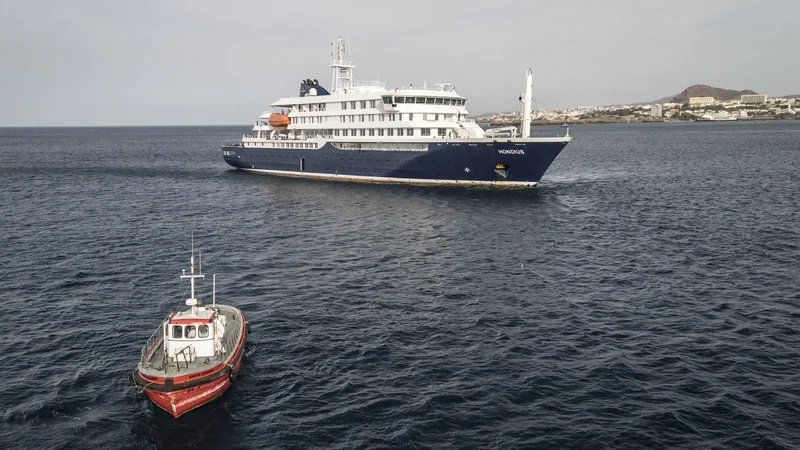
The luxury cruise ship MV Hondius is expected to head to Spain after a deadly hantavirus outbreak onboard left three passengers dead and several others infected or under observation.
The vessel has remained stranded off the coast of Cape Verde since Sunday while health officials monitored the situation and coordinated medical evacuations.
Three passengers evacuated from ship
According to Reuters, three people were evacuated from the ship on Wednesday, including two passengers suffering from severe symptoms.
Officials said the evacuated individuals — a Dutch citizen, a German national, and a British passenger — are being transported to specialized hospitals in Europe.
The outbreak has already claimed the lives of a Dutch couple and a German passenger.
Spain preparing quarantine measures
Spanish Health Minister Monica Garcia confirmed the ship is expected to dock in Tenerife within the next few days.
Authorities said the 14 Spanish passengers onboard will enter quarantine at a military hospital in Madrid after arrival. Officials added that the quarantine length will depend on possible exposure timelines because hantavirus can have an incubation period of up to 45 days.
Non-Spanish passengers who remain healthy are expected to return to their home countries after disembarking.
WHO confirms rare Andean hantavirus strain
The World Health Organization said eight people onboard are either confirmed or suspected cases of hantavirus infection.
South African authorities identified the Andean strain of hantavirus among victims. This strain is one of the few known versions capable of limited human-to-human transmission.
Health officials stressed that transmission between people remains extremely rare and usually requires prolonged close physical contact.
Experts say virus differs significantly from COVID-19
WHO epidemic expert Maria Van Kerkhove told Reuters the virus behaves very differently from COVID-19 or influenza.
According to the WHO, hantavirus generally spreads through exposure to infected rodents or contaminated materials rather than airborne community transmission.
Officials explained that close-contact transmission mainly occurs in confined environments, such as shared cabins or during direct caregiving.
Passengers remain calm onboard
Passenger Kasem Hato told Reuters that life onboard has remained relatively calm despite the outbreak.
Passengers have reportedly been instructed to wear masks, use hand sanitizer frequently, and avoid unnecessary close contact.
“People are taking the situation seriously but without any panic,” Hato said.
The ship departed from southern Argentina in late March and traveled through remote regions before the outbreak was detected.
Cape Verde refused passengers permission to disembark
Cape Verdean authorities blocked passengers from coming ashore after the outbreak emerged.
The WHO said global public risk remains low, but health agencies are continuing to trace contacts in multiple countries linked to passengers who left the ship earlier during stops in the South Atlantic.
South African officials have already identified dozens of close contacts connected to confirmed or suspected cases.
Author: Staff Writer | Edited for WTFwire.com | SOURCE: Reuters
: 182