US health care costs force Americans to ration medicine

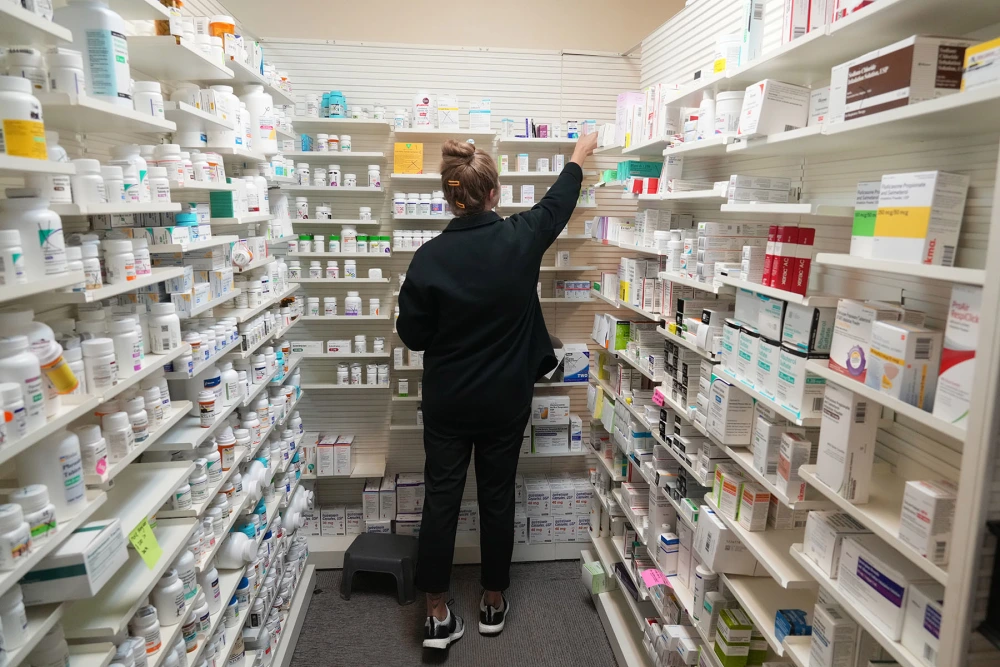
About 1 in 3 U.S. adults say they’ve made trade-offs to afford health care in the past year, including rationing or skipping medications or borrowing money, according to a poll from West Health-Gallup.
A second survey from the group found nearly 1 in 10 adults say they’ve postponed retirement because of health care costs. Others reported delaying a job change, buying a home or having a child.
Both nationally representative surveys were released Thursday. The first was conducted from June through August of last year and included nearly 20,000 adults. The other was conducted several months later, from October through December, and included more than 5,600 adults.
Timothy Lash, president of West Health, said almost every metric in its health care surveys has moved in “a negative direction.” West Health and Gallup began tracking in 2021.
Lash said the issues transcend both geography and political party.
“This isn’t simply about health care spending,” he said. “It’s about financial stability for individuals and for communities.”
While the financial strain was most severe among people with low incomes and those without health insurance, a quarter of adults earning $90,000 to $120,000 a year said they made financial trade-offs to afford medical care, as did 11% of those earning $240,000 or more, according to the first survey.
Health care costs now outweigh food, rent and utilities as the top voter concern heading into the midterm elections, according to KFF, a nonpartisan health policy research group.
President Donald Trump is making health care costs a central theme of his midterm message. The “big, beautiful bill,” however, cut Medicaid funding, and Republicans in Congress let enhanced Affordable Care Act subsidies expire at the end of last year, pushing premiums higher for millions of Americans.
Stacie Dusetzina, a health policy professor at Vanderbilt University in Nashville, Tennessee, said Thursday’s findings align with other research, including a January report from KFF that found just under half of U.S. adults say it is difficult to afford health care costs.
Even higher earners aren’t immune to rising deductibles, Dusetzina said, referring to the amount patients must pay out of pocket before coverage kicks in.
With most health care services, patients receive care first and get the bill later. Prescription drugs are different, she said, because patients have to pay at the pharmacy counter before they can take their medications home.
“It can be one of those first signals that we see of people having a hard time affording their medical bills,” Dusetzina said.
Lash said the situation is likely to worsen unless significant health care reform is enacted.
He called initiatives like Trump’s self-pay platform, TrumpRx, which offers brand-name medications at discounted prices, a “Band-Aid.”
“We need to be aggressive with this,” he said.
Art Caplan, the head of the medical ethics division at NYU Grossman School of Medicine in New York City, called the findings “disturbing.”
“It’s showing the burdens and impacts of a broken health care system,” Caplan said. “We’re paying the most money in the world for health care, and this is what we’re getting.”
Author: Staff Writer | Edited for WTFwire.com | SOURCE: NBC News
: 19