Iran and Oman Near Hormuz Deal as Trump Signals Diplomatic Optimism

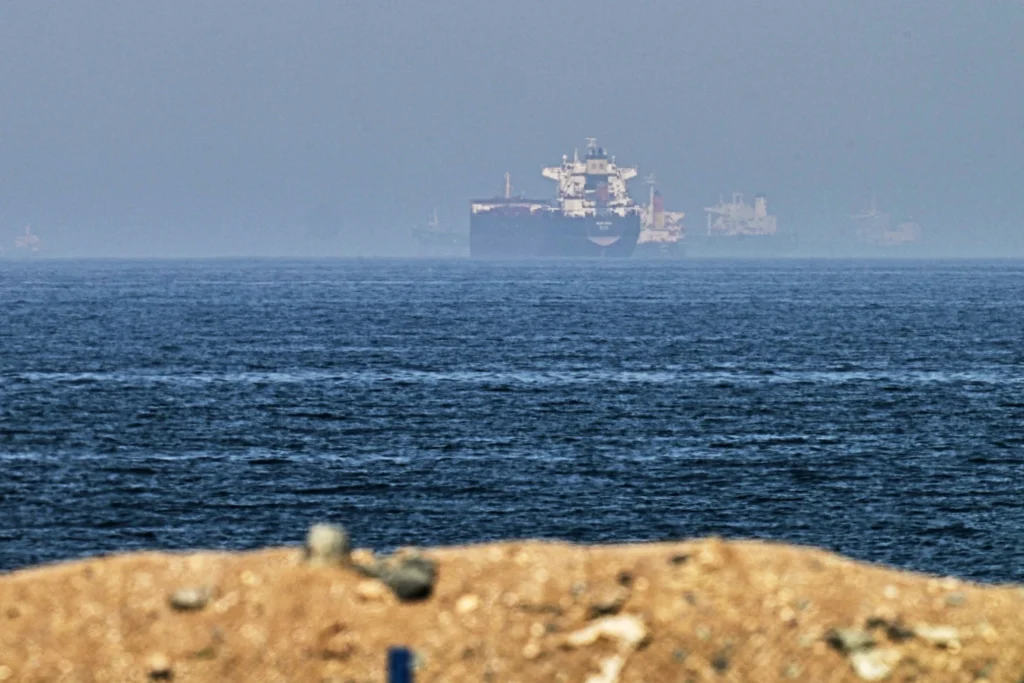
Iran and Oman have made significant progress toward an agreement to reopen the Strait of Hormuz using a divided shipping corridor — a potential breakthrough that could help wind down the five-month-old US-Iran war and ease the global energy crisis it has caused.
Divided Route Takes Shape
Under the emerging Iran Oman Strait of Hormuz deal reopening 2026 arrangement, ships would enter the Persian Gulf through an Iranian-controlled inbound route and exit through a corridor controlled by Oman, with service fees charged to vessels for security and maritime environmental protection, two regional officials told the Associated Press. They spoke on condition of anonymity to discuss sensitive negotiations still underway, cautioning that the final agreement could take a different form and that any deal would be linked to lifting the US naval blockade of Iranian ports.
Iranian Foreign Minister Abbas Araghchi described the negotiations with Oman as entering their “final stages,” telling his cabinet that the talks were “on the way to being finalized.” Foreign Ministry spokesman Esmaeil Baghaei said Tehran and Muscat were close to reaching a deal on a new maritime route separate from existing corridors.
Iran’s goal, according to officials familiar with the discussions, is a temporary arrangement lasting up to three months — giving Tehran a formal role in managing the waterway while broader negotiations on a permanent settlement and Iran’s nuclear program continue.
US Signals Cautious Optimism
Secretary of State Marco Rubio said Tuesday there had been “progress made but not finality” on an agreement for free transit through the strait, expressing hope that a deal “will happen very shortly.” Rubio said the US was involved in the negotiations between Iran and Oman and described reopening the strait as “the immediate deal and the one that we’re focused on,” while calling denuclearization of Iran “the ultimate deal.”
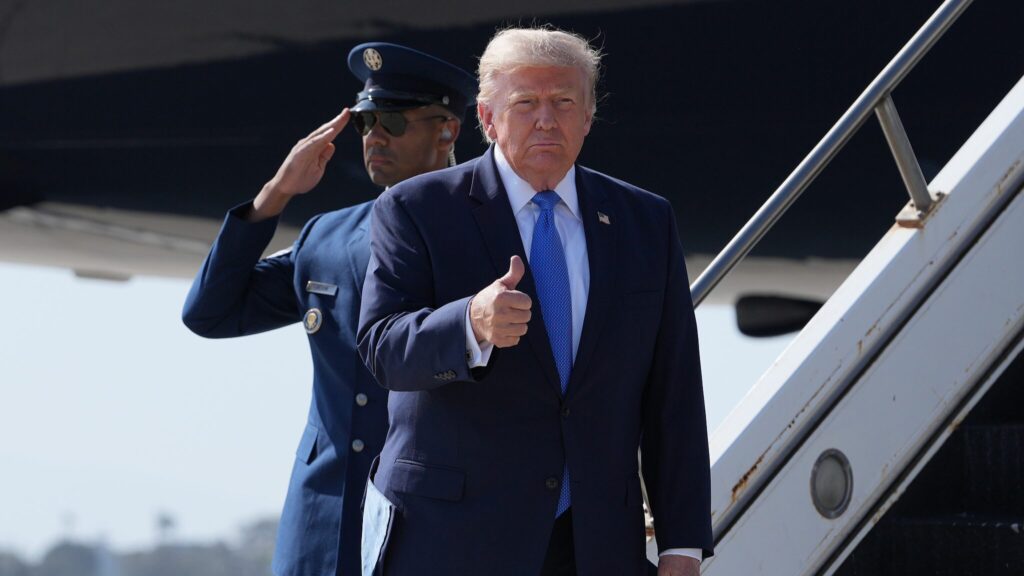
Trump, speaking on Fox News, said “very good discussions” were underway with Tehran and described himself as optimistic — while warning that if Iran backed out of its commitments, US strikes would resume.
A Strategic Victory for Tehran in Any Form
Any agreement formalizing Iran’s control of the strait would mark a significant strategic victory for Tehran. Rubio has previously warned that such an arrangement would set a “very dangerous precedent” for other maritime chokepoints around the world. The US position has been that freedom of navigation must be restored without conditions — a stance that appears to be softening as the diplomatic window narrows.
Before the war began on February 28 with US and Israeli strikes on Iran, approximately 20 million barrels of oil per day — about one-fifth of global supply — passed through the strait. Shipping has dropped to a fraction of that figure since Iran closed the waterway. Saudi Aramco CEO warned that even if the Strait of Hormuz reopened today, replenishing depleted inventories could take up to 18 months.
Oil Prices Fall on Deal Hopes
Oil prices fell sharply on Monday after Trump said he was canceling a planned new round of strikes, citing requests from Saudi Arabia, the UAE, Qatar, and Iran itself. Brent crude pulled back from recent highs above $90 per barrel as traders priced in the possibility of a near-term diplomatic resolution.
Shipping data showed only a trickle of vessels transiting the strait in recent days. Crude flows through the waterway were estimated at approximately three to five million barrels per day — a fraction of prewar volumes — with some ships transiting with their tracking transponders switched off, complicating monitoring.
Iran Insists Hormuz Will Never Return to Pre-War Status
Even as diplomacy advances, Iranian officials have made clear that any settlement will not restore the pre-war status quo in the strait. Araghchi stated that the waterway “will never return to its pre-war status,” signaling Tehran intends to preserve a permanent managerial role regardless of how negotiations conclude. Iranian parliamentary officials have separately discussed imposing tolls and banning US and Israeli vessels from the strait as part of a post-war framework.
The talks continue against a backdrop of ongoing military activity. US Central Command said Monday it had redirected 44 commercial vessels, disabled two, and boarded two under the reimposed naval blockade of Iranian ports.
Author: Staff Writer | Edited for WTFwire.com | SOURCE: AP News
: 69