US Launches New Iran Strikes as Hormuz Escalation Intensifies

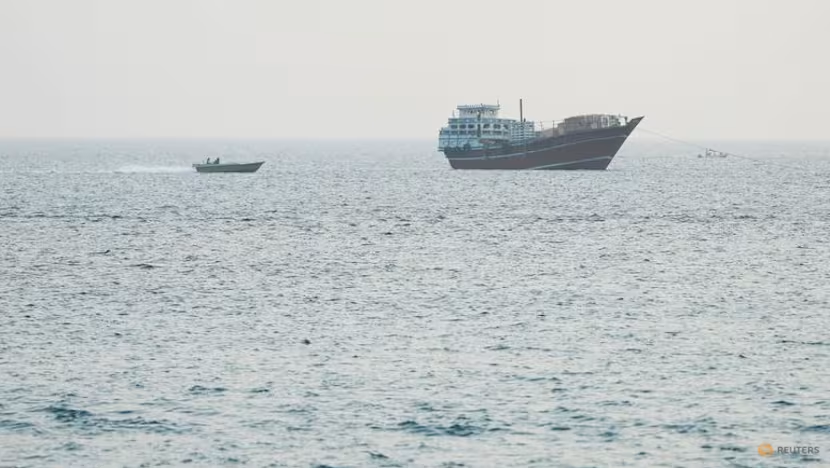
The United States conducted a fresh round of strikes against Iran’s coastal defense systems and cruise missile storage and launch sites early Wednesday, as Tehran threatened to shut off additional regional energy export corridors and oil prices continued to climb.
New Strikes Target Iranian Military Sites
US Central Command announced Wednesday morning that forces “began launching a wave of strikes against Iran” at 6 a.m. Eastern time, designed to “further degrade military capabilities Iranian forces have used to attack commercial shipping in the Strait of Hormuz.” The strikes, which completed within approximately 90 minutes, targeted coastal defense systems and cruise missile infrastructure on Iran’s Greater Tunb Island.
The US Iran strikes Strait of Hormuz escalation followed seven hours of strikes on Tuesday evening that hit dozens of military targets near the strait and along Iranian coastal areas. The US military said Iran has attacked seven commercial ships over the past week, leaving nearly a dozen crew members killed, missing, or injured.
Iran’s Islamic Revolutionary Guard Corps said Wednesday it had struck US military targets in Bahrain, Kuwait, and Jordan in retaliation. There were no immediate reports of damage or casualties from Iranian media in response to the overnight US strikes.
Iran Threatens to Close All Regional Export Corridors
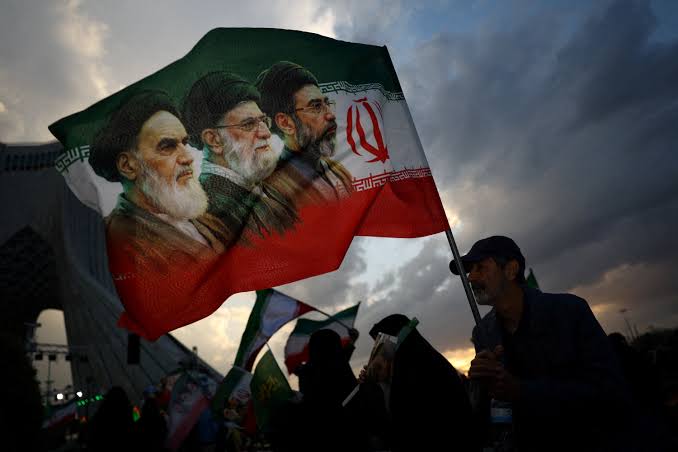
Tehran escalated its own rhetoric sharply on Wednesday. The IRGC declared the Strait of Hormuz would remain closed until what it described as “the end of America’s evils,” and threatened that the US “must brace for the closure of all other export corridors that benefit the US and its allies” — a reference to the potential use of Houthi allies in Yemen to shut the Bab el-Mandeb strait linking the Red Sea to the Gulf of Aden, through which Saudi oil exports and a major share of global maritime trade pass.
Iranian government spokesperson Fatemeh Mohajerani said at least 30 civilians had been killed in recent days by US strikes on southern Iran. Iran’s army confirmed at least seven military personnel were killed in overnight US strikes on the Bampur military base in the country’s southeast.
Trump Threatens Energy Infrastructure
President Donald Trump, facing domestic pressure to avoid a full return to all-out war, warned Tuesday that Iranian power plants and bridges could be the next targets unless Tehran returns to negotiations. “I’ll save the energy targets for last, but ultimately we’ll hit energy targets,” he said. US negotiators had been in contact with their Iranian counterparts conveying that Tehran should “make a deal,” Trump added.
The threat came after Trump floated and then quickly abandoned a proposal to impose a 20% fee on all shipping through the strait on Monday, replacing it Tuesday with a vague promise of Gulf state investment deals.
Oil Prices Extend Gains, Ceasefire in Tatters
Oil prices extended gains of about 1% Wednesday, following a settlement on Tuesday at a new one-month high. The interim ceasefire agreement signed last month — intended to lay the groundwork for nuclear negotiations and a permanent truce — has effectively collapsed, with a return to formal talks stalled.
Analysts say that while the US and Iran have reverted to the cycle of strikes and counterstrikes that characterized the period before the interim deal, a return to full-scale war remains unlikely for now — though the risk of further escalation is real. Shipping data showed an uptick in Iran-linked vessels transiting the strait before the renewed US blockade on Iranian ports took effect.
The war, which began with US and Israeli strikes on February 28, has killed thousands and displaced millions, mainly in Iran and Lebanon, where conflict between Israel and the Iran-backed Hezbollah has also reignited.
Author: Staff Writer | Edited for WTFwire.com | SOURCE: Reuters
: 8