Iran ceasefire deal: White House claims Tehran backed down

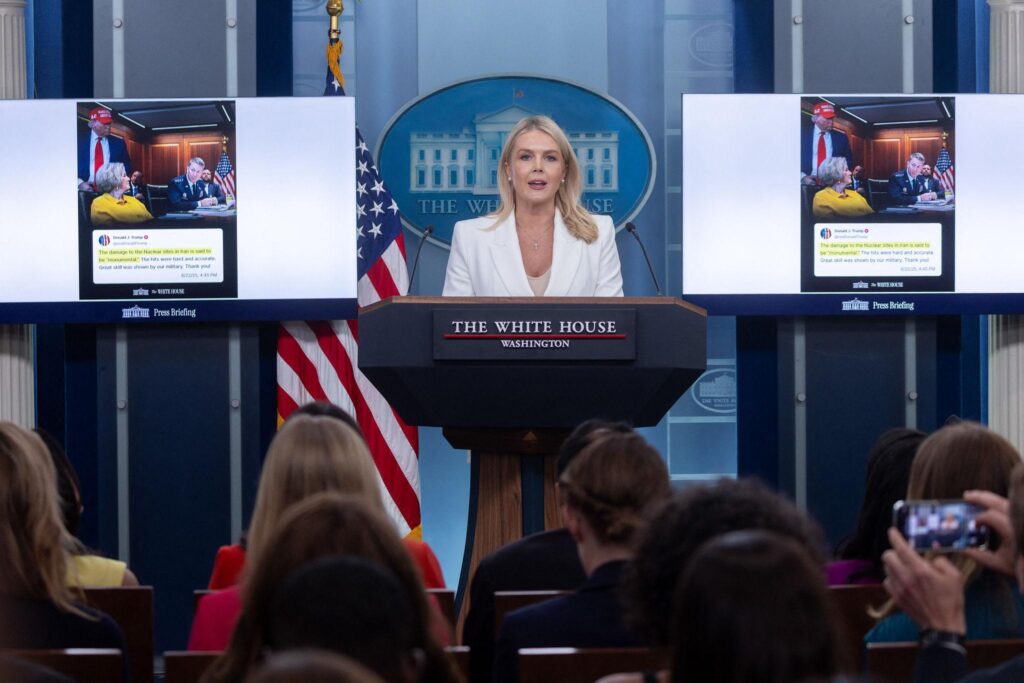
The Iran ceasefire deal is entering a new phase as the White House claims Tehran backed down to U.S. pressure, even as key details remain unresolved ahead of negotiations.
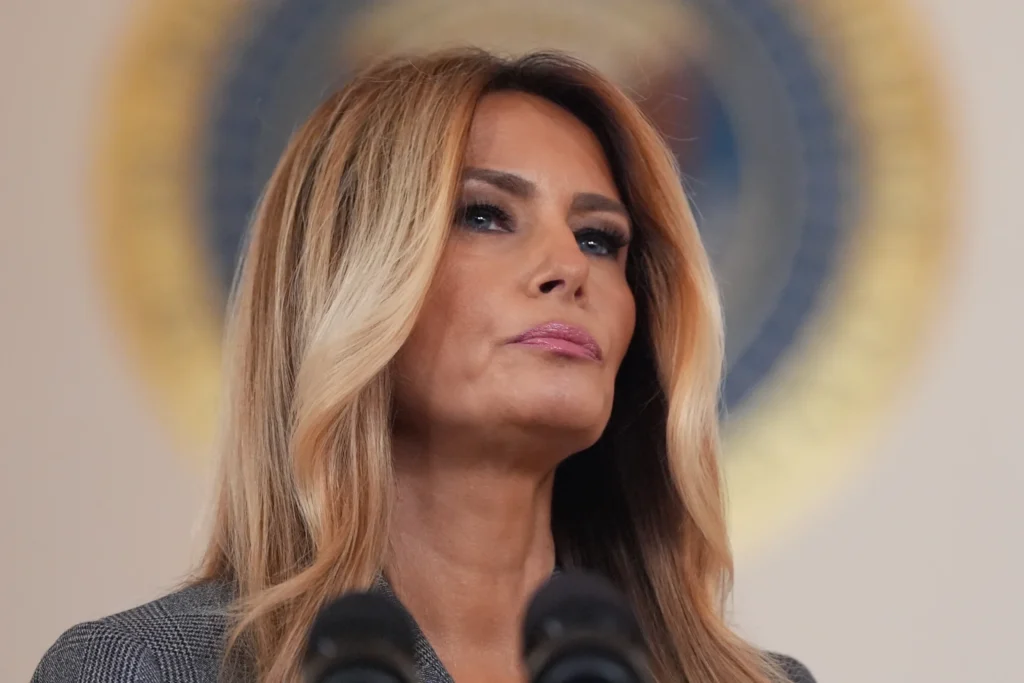
Karoline Leavitt said the agreement reflects the effectiveness of Donald Trump’s strategy, arguing that Iran shifted its position under pressure.
White House claims strategic victory
Leavitt told reporters that Iran agreed to the ceasefire after abandoning earlier demands.
She said the original Iranian proposal was “unacceptable” and had been rejected outright by the administration.
According to the White House, Tehran later presented a “new, modified” plan that aligned more closely with U.S. expectations.
Officials framed the outcome as a diplomatic and military success, with Pete Hegseth describing the campaign as a victory.
Conflicting narratives on ceasefire terms
Despite the White House’s claims, the exact terms of the Iran ceasefire deal remain unclear.
Iranian state media has suggested that its proposal included continued uranium enrichment and the lifting of sanctions—conditions the U.S. has historically rejected.
Leavitt dismissed those reports as false, emphasizing that negotiations will proceed based on a different framework.
Talks set to begin as tensions persist
Negotiations are expected to begin in Pakistan, led by JD Vance along with senior U.S. officials.
However, both sides have acknowledged that the ceasefire is fragile.
“This is a fragile truce,” Leavitt said, noting that the situation could shift quickly depending on developments on the ground.
Uranium and Hormuz remain key issues
Two major issues will dominate upcoming talks: Iran’s nuclear program and control of the Strait of Hormuz.
The U.S. has reiterated that preventing Iran from developing nuclear weapons remains a red line.
At the same time, reopening the strait—through which a significant share of global oil flows—remains a top priority.
Trump has even floated the idea of a joint U.S.-Iran arrangement to manage the waterway, though officials say the immediate goal is full reopening without restrictions.
Fragile progress with major uncertainties
The Iran ceasefire deal has paused active conflict, but major questions remain unresolved.
Differences over uranium enrichment, sanctions, and regional security continue to divide both sides.
For now, the agreement represents a temporary step toward diplomacy—but one that could quickly unravel if negotiations fail.
Author: Staff Writer | Edited for WTFwire.com | SOURCE: ABC News
: 13