Trump Claims Food Prices Are Falling Despite Rising Grocery Costs

President Donald Trump is claiming his administration has made food more affordable for Americans, but new economic data paints a more complicated picture as grocery prices continue to climb across the United States.
In a Truth Social post published Wednesday, Trump declared “TRUMP’S MAKING FOOD AFFORDABLE” while highlighting lower prices for selected grocery products such as avocados, eggs, olive oil and cheese.
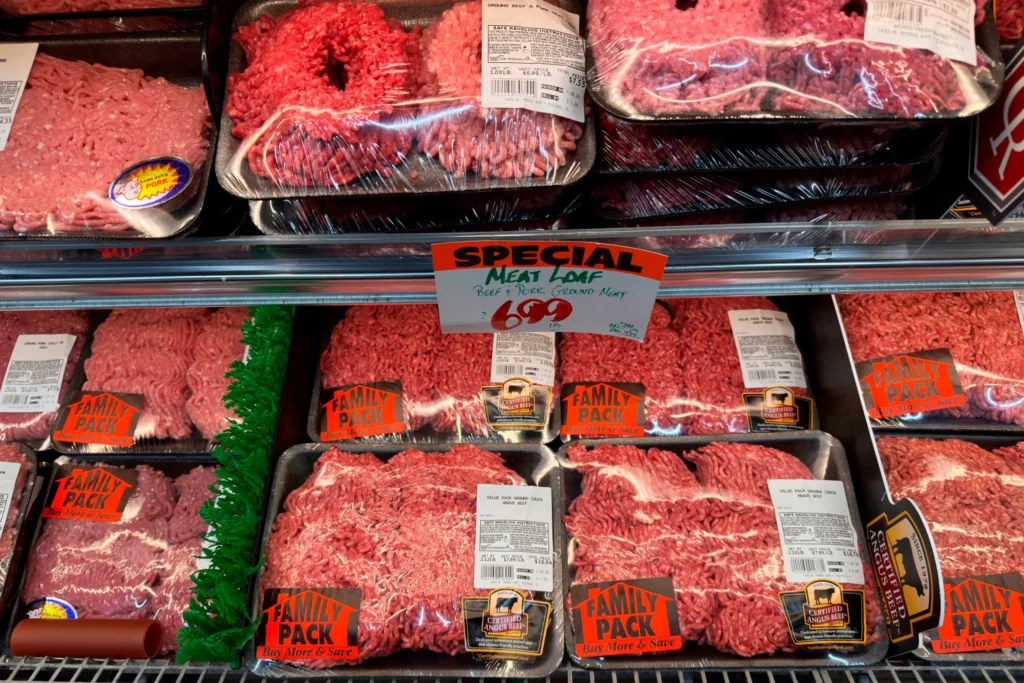
However, the broader inflation data released earlier this month showed supermarket prices rose 2.9% in April compared with a year earlier — the sharpest annual increase in grocery inflation in more than two years.
Grocery inflation continues to pressure consumers
While some individual food items have become cheaper, economists say overall grocery costs remain elevated and continue to strain household budgets.
According to Labor Department data, prices for fresh fruits and vegetables increased 6.5% over the past year, while meat prices climbed 8.8%.
Beef and coffee prices were among the hardest hit categories. Beef prices surged 15% year-over-year due to drought conditions affecting cattle production in the western United States. Coffee prices jumped 18.5% as poor weather damaged global harvests.
Tomatoes also saw sharp increases after the Trump administration imposed a 17% tariff on fresh Mexican tomato imports in 2025.
Trump highlights selective food price declines
Trump’s social media post focused on a narrow group of products that recently fell in price.
The president claimed egg prices dropped 90%, olive oil prices fell 16% and fresh berries declined 13%.
Government inflation data partially supports some of those trends, though the decreases were smaller than Trump suggested. Egg prices, for example, declined significantly after poultry farms recovered from the avian flu outbreak that devastated chicken flocks in 2024 and 2025.
The administration also increased egg imports last year, helping stabilize supply.
Meanwhile, olive oil prices eased after global production recovered from years of drought conditions in southern Europe.
Still, economists note that temporary declines in specific items do not reflect the broader trajectory of grocery inflation.
Iran war and fuel prices add new inflation pressure
The economic outlook has become more uncertain as the ongoing Iran conflict continues disrupting global energy markets.
The closure of the Strait of Hormuz earlier this year caused one of the largest oil supply shocks in recent history, sending gasoline and diesel prices sharply higher.
Higher transportation and fertilizer costs are now feeding into food supply chains nationwide.
Economists warn that those pressures may continue lifting grocery prices in the coming months, especially for imported products and goods requiring long-distance transportation.
Americans remain concerned about affordability
Consumer confidence surveys continue showing that inflation and affordability remain among voters’ top economic concerns heading into the 2026 midterm elections.
Although unemployment remains historically low and the economy is still growing modestly, polls suggest many Americans remain frustrated by the high cost of living.
Democrats have increasingly focused their campaigns on affordability issues, arguing that Trump’s tariff policies and trade decisions have contributed to higher prices for consumers.
At the same time, the White House continues emphasizing selective declines in certain household goods as evidence that inflation pressures are easing.
For shoppers at grocery stores, however, economists say the bigger picture remains clear: food prices are still significantly higher than before the pandemic and continue rising faster than many wages.
Author: Staff Writer | Edited for WTFwire.com | SOURCE: AP News
: 28