Pancreatic cancer mRNA vaccine shows lasting survival

A personalized pancreatic cancer mRNA vaccine is showing early signs of long-term survival benefits, offering cautious hope against one of the deadliest forms of cancer.
In a small clinical trial, most patients who responded to the experimental treatment are still alive six years later—a striking result in a disease where long-term survival is rare.
A diagnosis that changed everything
For patients like Donna Gustafson, the breakthrough began with a devastating diagnosis.
After developing jaundice during a trip abroad, she learned she had pancreatic cancer. Within days, she underwent surgery and soon joined an experimental trial testing a new kind of vaccine designed specifically for her tumor.
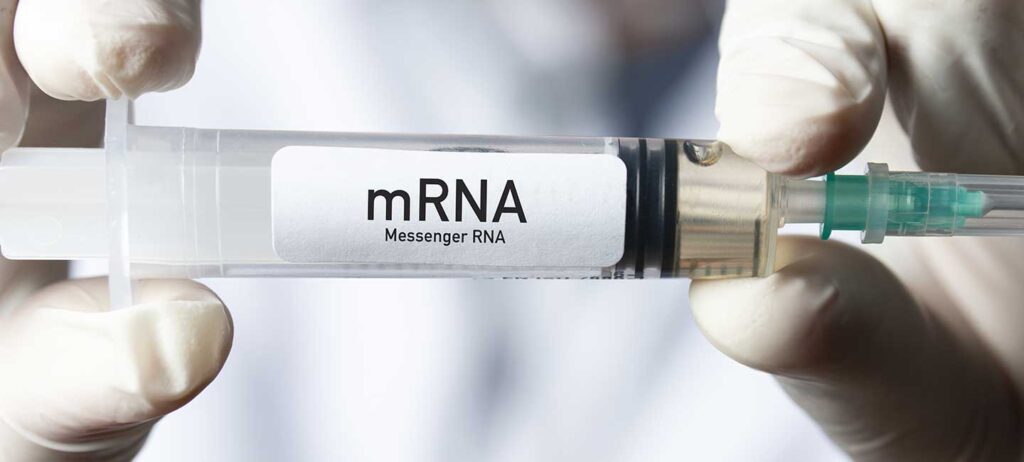
The treatment used messenger RNA technology—similar to that deployed in Covid-19 vaccines—to train the immune system to recognize and attack cancer cells.
How the vaccine works
Unlike traditional therapies, the pancreatic cancer mRNA vaccine is tailored to each patient.
Doctors analyze genetic material from a removed tumor and design a vaccine that targets its unique mutations. The goal is not to shrink existing tumors, but to eliminate lingering cancer cells and prevent recurrence.
The vaccine is given after surgery, alongside standard chemotherapy.
According to Vinod Balachandran of Memorial Sloan Kettering Cancer Center, the approach aims to trigger a powerful immune response in a cancer long thought resistant to immunotherapy.
Promising results—but early
In the Phase 1 trial, eight of 16 patients mounted a strong immune response.
Six years later:
- Nearly all of those responders are still alive
- Several remain cancer-free
- Survival rates appear higher than expected
The findings, presented at the American Association for Cancer Research Annual Meeting, suggest the immune response may be durable over time.
However, researchers stress the trial is small and early-stage.
Why pancreatic cancer is so difficult
Pancreatic cancer remains one of the most lethal cancers.
Fewer than 13% of patients survive beyond five years. The disease is often detected late, and only a small share of patients are eligible for surgery—the key step required for vaccine treatment.
Immunotherapy has historically struggled in this cancer type, making the results particularly notable.
A shift in cancer vaccine research
The findings may signal a broader shift in how scientists approach cancer vaccines.
Earlier attempts focused on advanced cancer, with limited success. This trial instead targets patients earlier in the disease, after tumor removal.
Researchers believe this timing may be critical.
Drugmakers BioNTech and Genentech have already launched a larger Phase 2 trial to confirm the results.
Cautious optimism from experts
Independent experts say the results are encouraging but not definitive.
Some patients naturally survive longer than expected, and it remains unclear why certain individuals respond better to the vaccine.
Still, the ability to generate a strong immune response in pancreatic cancer is seen as a meaningful step forward.
What comes next
The pancreatic cancer mRNA vaccine now faces a critical test in larger trials.
If future studies confirm these early results, the approach could reshape treatment—not just for pancreatic cancer, but potentially for other hard-to-treat cancers.
For now, researchers emphasize caution. But after decades of limited progress, even incremental gains are drawing attention across the field.
Author: Staff Writer | Edited for WTFwire.com | SOURCE: NBC News
: 16