US-Iran ceasefire deadline nears as talks remain uncertain

A fragile diplomatic window between the United States and Iran appeared to narrow on Tuesday, as uncertainty clouded plans for a second round of ceasefire talks just hours before a critical deadline.
The two-week truce, brokered earlier this month, is set to expire Wednesday. Without an agreement, both sides have warned they are prepared to resume hostilities.
Confusion over talks in Islamabad
Officials had signaled that negotiations could resume in Islamabad, with JD Vance expected to lead the American delegation.
But by Tuesday afternoon, uncertainty dominated.
Pakistan’s government said it was still awaiting confirmation from Tehran. Iranian officials, meanwhile, stated there was “no final decision” on whether to attend, citing what they described as unacceptable U.S. actions.
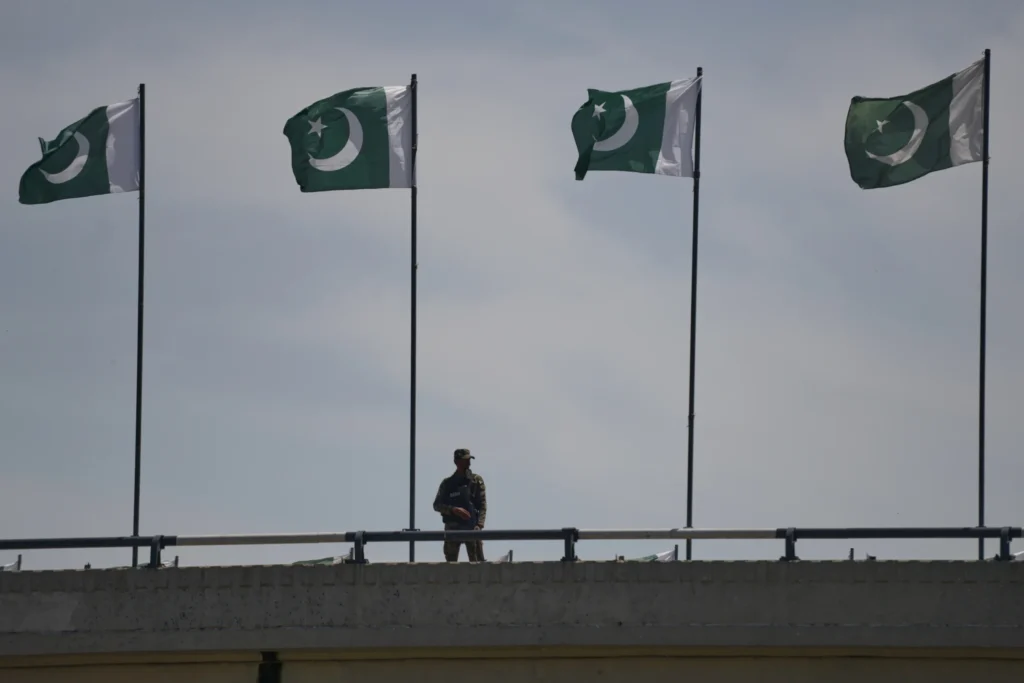
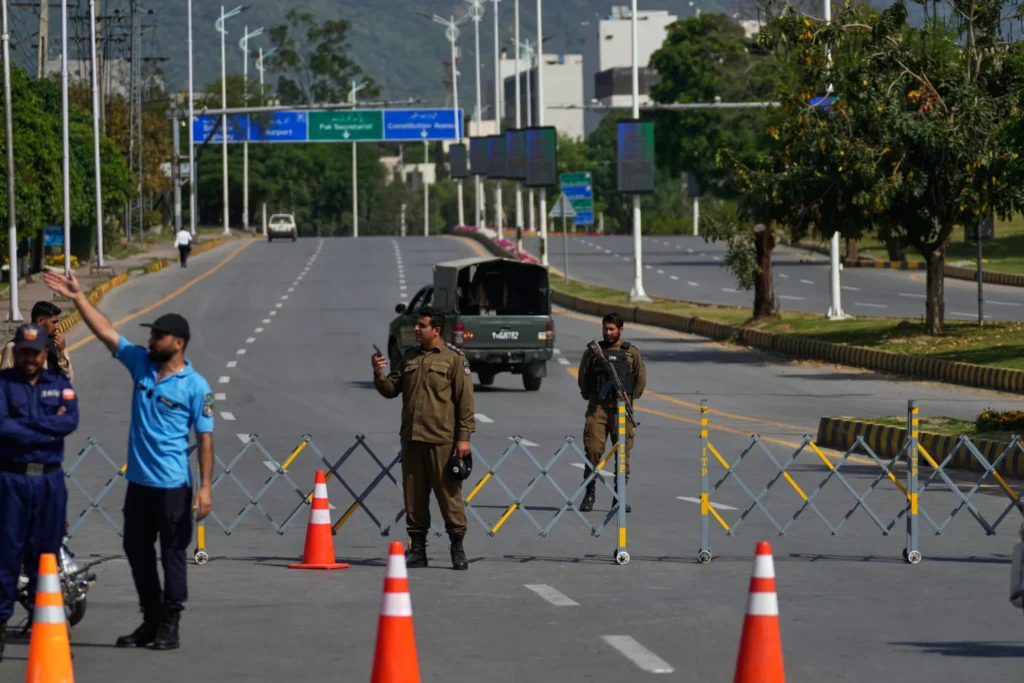
Security forces in Islamabad tightened checkpoints and patrols in anticipation of potential talks that may not materialize.
Rising tensions ahead of the deadline
The diplomatic uncertainty comes as rhetoric escalates.
Donald Trump warned that “lots of bombs” could follow if no deal is reached. Iranian officials responded by signaling they have “new cards on the battlefield.”
The ceasefire, which began April 8, could still be extended—but Trump has indicated he is reluctant to do so.
“We don’t have that much time,” he said in an interview.
Strait of Hormuz remains a key sticking point
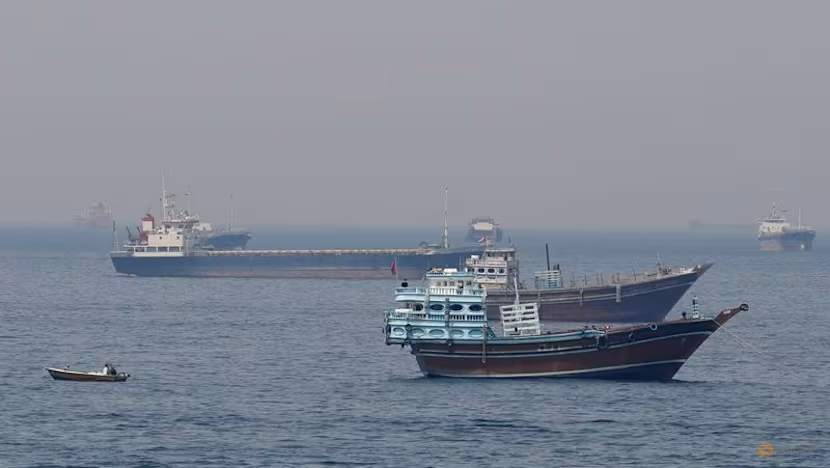
At the center of negotiations is the Strait of Hormuz, a vital corridor through which roughly 20% of global oil and gas flows.
Iran’s control over the waterway has already triggered sharp swings in energy markets. Oil prices remain elevated, reflecting ongoing uncertainty.
The U.S. has imposed a naval blockade on Iranian ports to pressure Tehran to reopen the strait fully—an action Iran considers a violation of the ceasefire.
Military actions complicate diplomacy
Tensions escalated further this week after the U.S. military boarded a sanctioned oil tanker in international waters, according to the Pentagon.
The move follows the earlier seizure of an Iranian vessel, which Tehran condemned as “piracy.”
Such incidents risk undermining already fragile negotiations and deepening mistrust between the two sides.
Author: Staff Writer | Edited for WTFwire.com | SOURCE: AP News
: 125