Iran ceasefire hangs in balance as talks remain unclear

A fragile ceasefire between the United States and Iran is nearing a critical deadline, with uncertainty surrounding whether new negotiations will take place in time to prevent a return to conflict.
The two-week truce, brokered earlier this month, is set to expire Wednesday, but neither side has confirmed plans to extend it or finalize a new round of talks.
Talks expected — but not confirmed
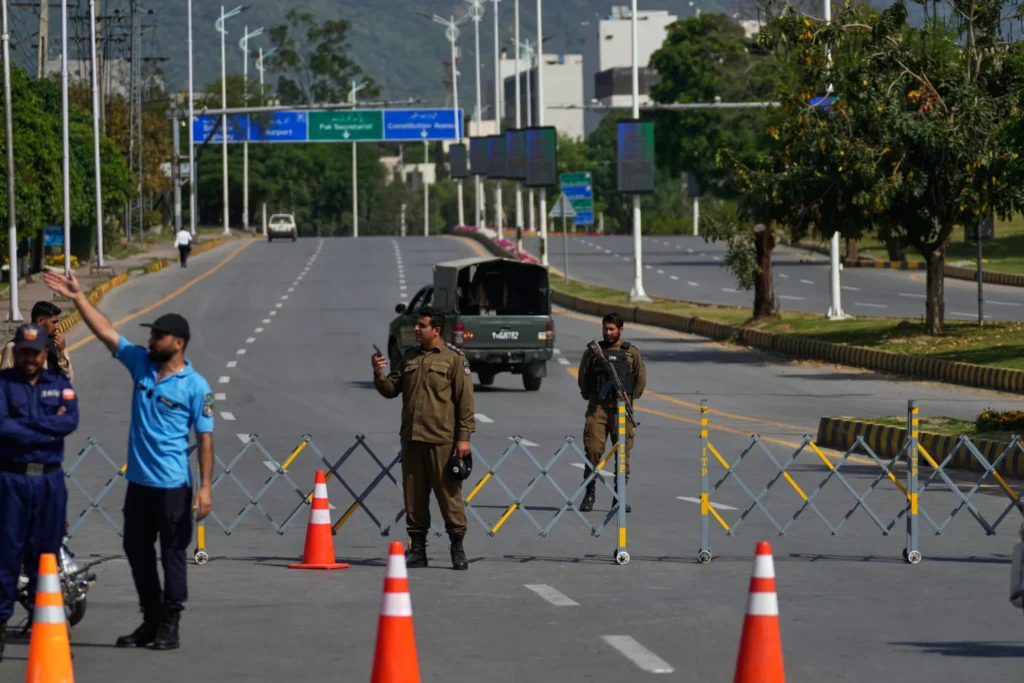
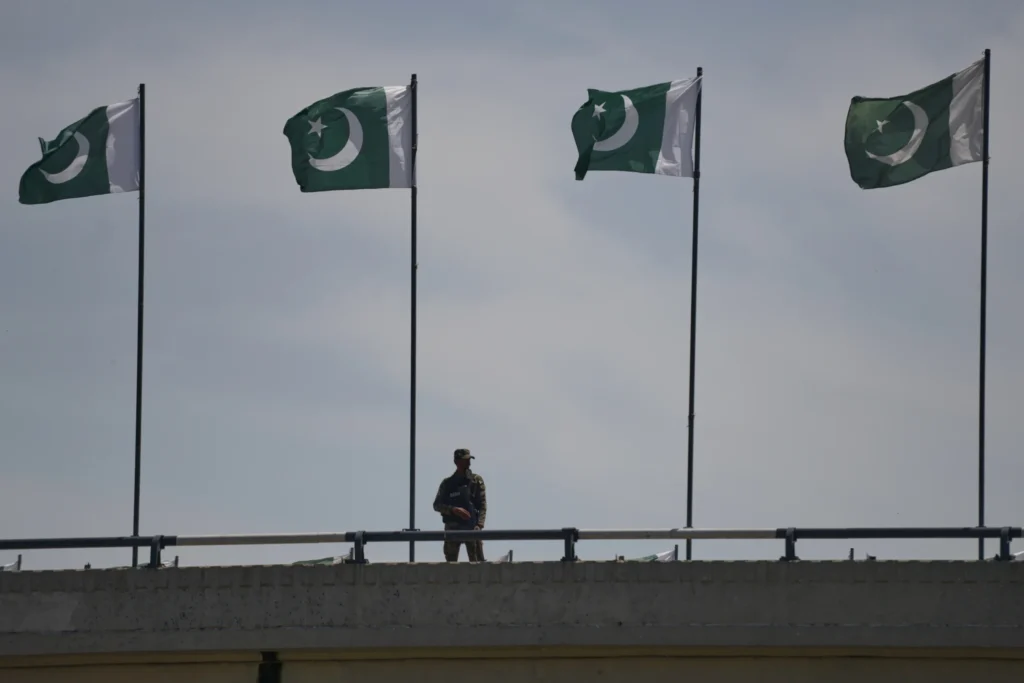
Diplomatic efforts have centered on Islamabad, where officials have prepared for a possible second round of negotiations.
Two regional officials said both countries had signaled readiness to meet, with JD Vance expected to lead the American delegation and Iranian parliament speaker Mohammad Bagher Qalibaf representing Tehran.
However, Pakistan’s government later said Iran had not formally confirmed participation, raising doubts about whether talks will happen before the ceasefire expires.
A ceasefire under pressure
The truce, which began April 8, has largely held despite sporadic incidents.
Still, tensions are rising.
Donald Trump has warned of renewed military action if no agreement is reached, while Iranian officials say they are prepared to respond.
An earlier round of talks earlier this month ended without a deal, highlighting deep divisions between the two sides.
Strait of Hormuz remains a flashpoint
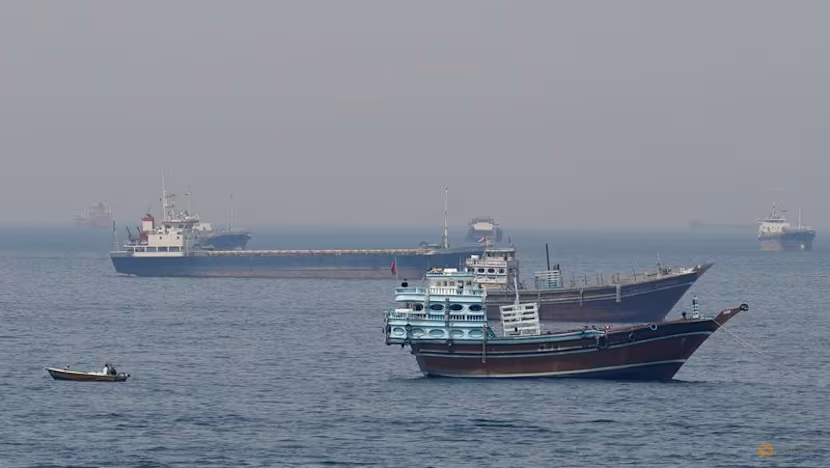
At the center of negotiations is the Strait of Hormuz, a critical energy corridor through which about 20% of the world’s oil and gas passes.
The waterway remains effectively restricted after recent attacks and military actions, including: iranian targeting of vessels in the strait, U.S. naval blockade of Iranian ports and the boarding of ships attempting to cross
The disruption has pushed energy prices higher and raised concerns about global supply shortages.
Nuclear program still unresolved
Another major obstacle is Iran’s nuclear program.
Tehran maintains it has the right to enrich uranium for peaceful purposes, while the U.S. and Israel are demanding a full dismantling of its nuclear capabilities.
Iran has rejected those demands in recent proposals, leaving a significant gap between the two sides.
High stakes for global markets
The outcome of the ceasefire talks carries far-reaching implications.
Continued instability in the Strait of Hormuz could disrupt global oil and gas supplies, increase inflation worldwide and intensify geopolitical tensions across the Middle East
Some countries have already begun preparing for potential energy shortages if the situation worsens.
A narrow window for diplomacy
Despite preparations in Pakistan and ongoing diplomatic efforts, the path forward remains uncertain.
Sudden shifts have defined previous rounds of negotiations, and officials say a last-minute breakthrough is still possible.
For now, however, the ceasefire is holding by a thread.
Author: Staff Writer | Edited for WTFwire.com | SOURCE: AP News
: 26