Trump Escalates Cuba Threat as Rubio Doubts Diplomacy

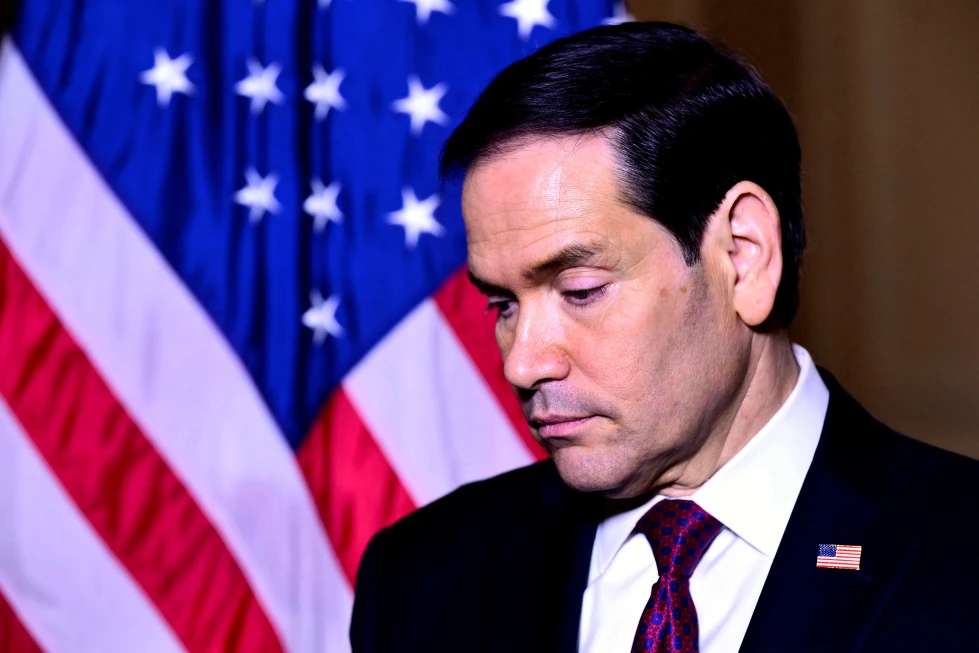
President Donald Trump intensified tensions with Cuba on Thursday after suggesting the United States could take military action against the island, while Secretary of State Marco Rubio openly questioned whether diplomacy with Havana remains possible.
The remarks came just one day after the Trump administration announced criminal charges against former Cuban leader Raúl Castro over the 1996 shootdown of civilian aircraft flown by Cuban exiles.
Trump hints at possible US intervention in Cuba
Speaking to reporters during an Oval Office event, Trump said previous administrations had considered acting against Cuba for decades.
“Other presidents have looked at this for 50, 60 years, doing something,” Trump said. “And, it looks like I’ll be the one that does it.”
Although Trump did not detail any specific military plan, the comments marked another escalation in Washington’s increasingly aggressive rhetoric toward Havana.
The administration has already tightened sanctions, imposed new economic pressure and expanded criticism of Cuba’s ties to China and Russia.
Rubio says diplomacy with Cuba is unlikely
Rubio, speaking in Miami before departing for meetings tied to NATO, said the administration still prefers a peaceful resolution but doubts Cuba’s government is willing to negotiate seriously.
“Trump’s preference is always a negotiated agreement that’s peaceful,” Rubio said. “That remains our preference with Cuba.”
However, Rubio added that the likelihood of a diplomatic breakthrough is “not high.”
The secretary of state argued that Cuba has historically delayed negotiations while waiting for political changes in Washington.
“They’re not going to be able to wait us out or buy time,” Rubio said. “We’re very serious, we’re very focused.”
US indictment against Raúl Castro raises tensions
Federal prosecutors on Wednesday unsealed an indictment accusing Castro of ordering the 1996 destruction of civilian aircraft operated by a Miami-based exile group.
The charges include:
- Murder
- Destruction of an aircraft
- Conspiracy-related allegations
Cuban President Miguel Díaz-Canel condemned the indictment and accused Washington of creating a pretext for military aggression.
The move immediately drew comparisons to the Trump administration’s earlier operation involving Nicolás Maduro, who was captured earlier this year and transferred to the United States to face federal drug trafficking charges.
USS Nimitz deployment fuels speculation
The same day prosecutors revealed charges against Castro, the U.S. military announced the arrival of the USS Nimitz and accompanying naval forces in the Caribbean Sea.
According to U.S. Southern Command, the deployment is part of previously planned maritime exercises with regional allies.
Still, the timing intensified speculation about possible future U.S. action involving Cuba.
Rubio declined to discuss whether the administration would attempt to arrest Castro or how the indictment might be enforced.
Trump administration increases pressure on Havana
Since returning to office, Trump has steadily increased pressure on Cuba’s government.
His administration has:
- Expanded sanctions
- Tightened energy restrictions
- Increased diplomatic isolation
- Pressured Cuba over ties to China and Russia
The White House has also accused Havana of supporting adversarial governments across Latin America.
Trump previously described his vision for a “friendly takeover” if Cuba opened its economy to American investment and distanced itself from U.S. rivals.
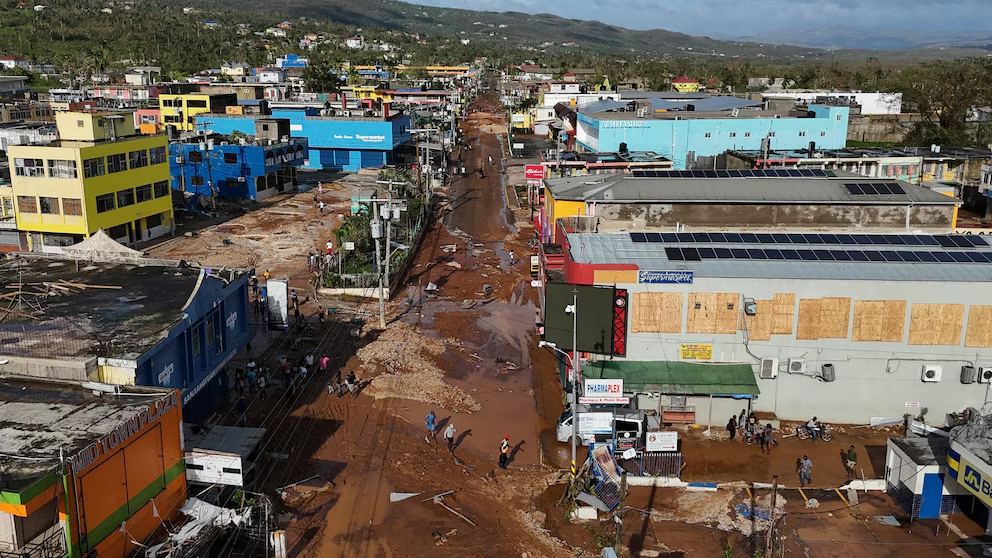
Meanwhile, Cuba continues facing severe economic hardship, including:
- Widespread blackouts
- Food shortages
- Fuel scarcity
- Rising inflation
China backs Cuba against US pressure
China responded Thursday by criticizing U.S. pressure campaigns against Cuba.
Chinese Foreign Ministry spokesperson Guo Jiakun said Beijing opposes outside interference in Cuban affairs and supports Havana’s sovereignty.
Rubio argued that Cuba represents a growing national security threat because of its intelligence and security cooperation with China and Russia.
The renewed tensions signal a major deterioration in U.S.-Cuba relations as the Trump administration adopts a far more confrontational approach toward Havana in 2026.
: 34