Kenya Ebola quarantine plan for U.S. patients sparks backlash and protests

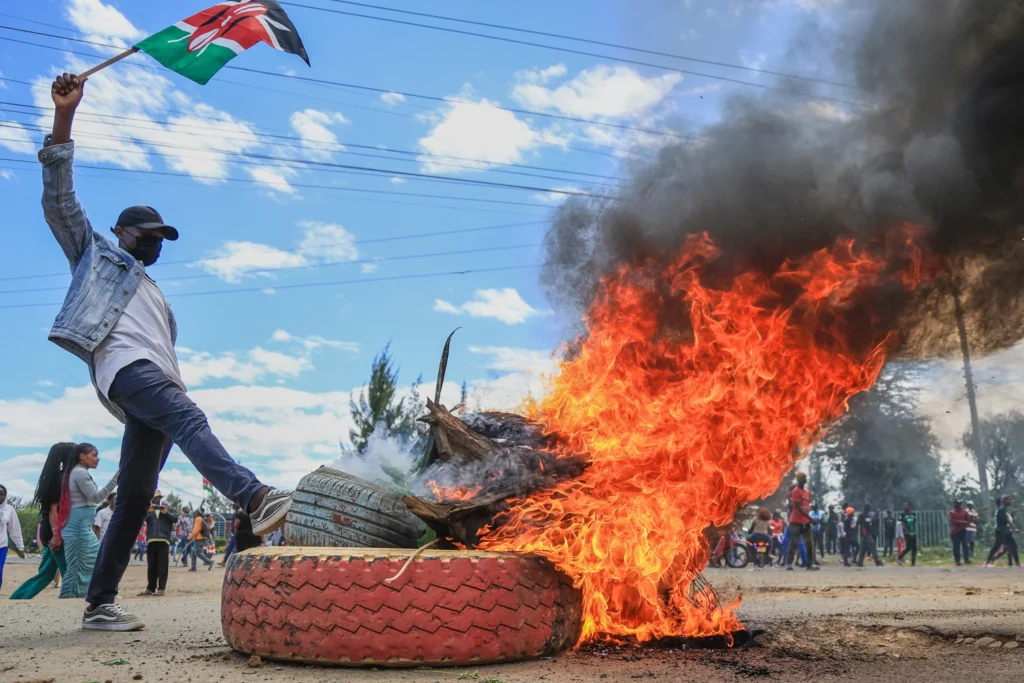
Plans to establish a U.S.-supported Ebola quarantine center in Kenya have triggered widespread protests, legal action, and sharp criticism from global health experts, as concerns grow over ethics, safety, and sovereignty.
Kenyan President William Ruto defended the proposal for a 50-bed isolation facility at Laikipia Air Base, saying it is part of a broader national emergency preparedness system and a long-standing partnership with the United States.
“We are a responsible government. We know what we are doing,” Ruto said, adding that the facility could also help Kenya respond to future Ebola outbreaks.
However, opposition has intensified both locally and internationally. A Kenyan court on Tuesday extended its block on construction and operation of the center, while protests in the town of Nanyuki turned violent earlier this week, with reports of police using tear gas and at least two deaths during clashes.
The U.S. government says the facility would be used to quarantine Americans exposed to Ebola abroad, particularly amid an outbreak centered in the Democratic Republic of the Congo and neighboring Uganda. Officials argue it would allow treatment closer to the outbreak zone without the risks of long-distance medical evacuation.
But critics warn the plan raises serious concerns.
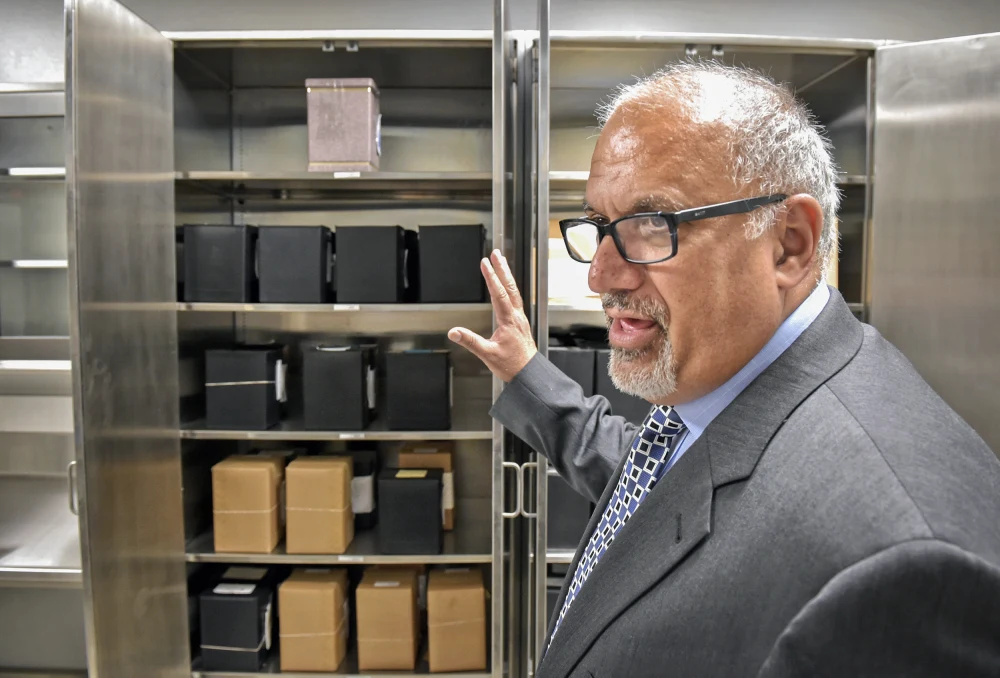
In an open letter to Congress, U.S. health experts and former public health officials described the proposal as ethically and operationally problematic. The letter warned of “profound clinical, ethical, operational, and legal concerns,” arguing that the United States already has specialized biocontainment facilities designed for such cases.
Signatories included infectious disease physicians and former federal health officials, who cautioned that moving exposed patients abroad could increase risks rather than reduce them.
Kenya has defended the project, saying it is part of its cooperation with the United States and could strengthen regional outbreak preparedness. The U.S. has reportedly pledged $13.5 million to support the initiative.
Meanwhile, the World Health Organization has reported hundreds of suspected Ebola cases in the region, including confirmed infections in Congo and Uganda, linked to a rare strain with no known vaccine or treatment.
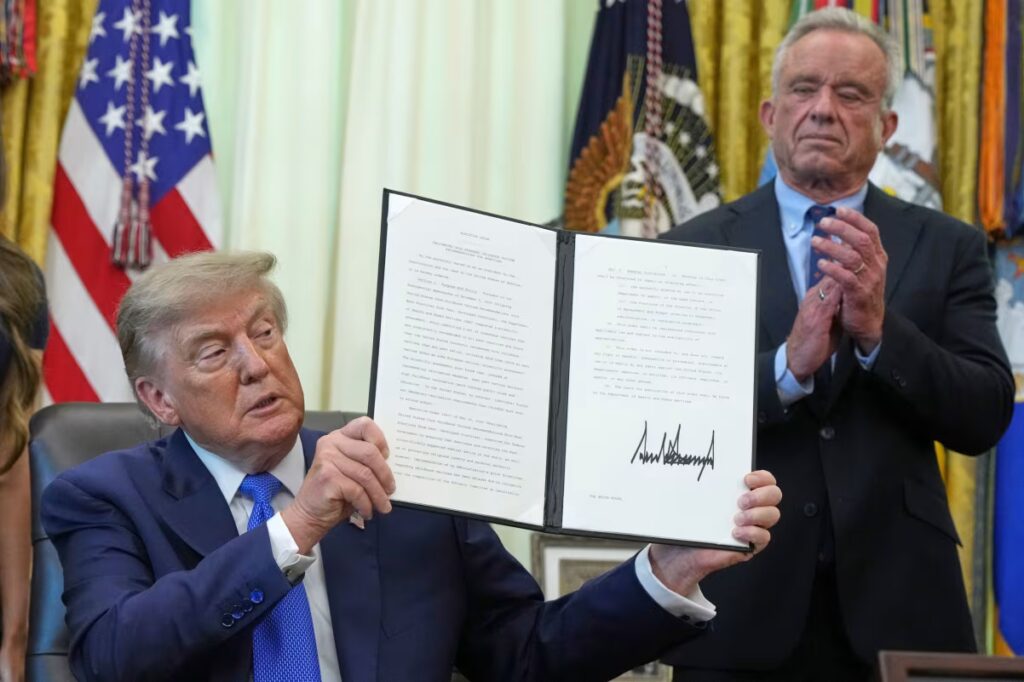
The Trump administration has stated it will not allow Ebola cases to enter the United States, marking a shift from previous outbreak responses in 2014, when infected patients were treated on U.S. soil.
As legal battles continue in Kenya and protests grow, the future of the quarantine facility remains uncertain, highlighting tensions between global health coordination and local political resistance.
: 284