Russia behind arson attacks targeting UK PM, news reveals

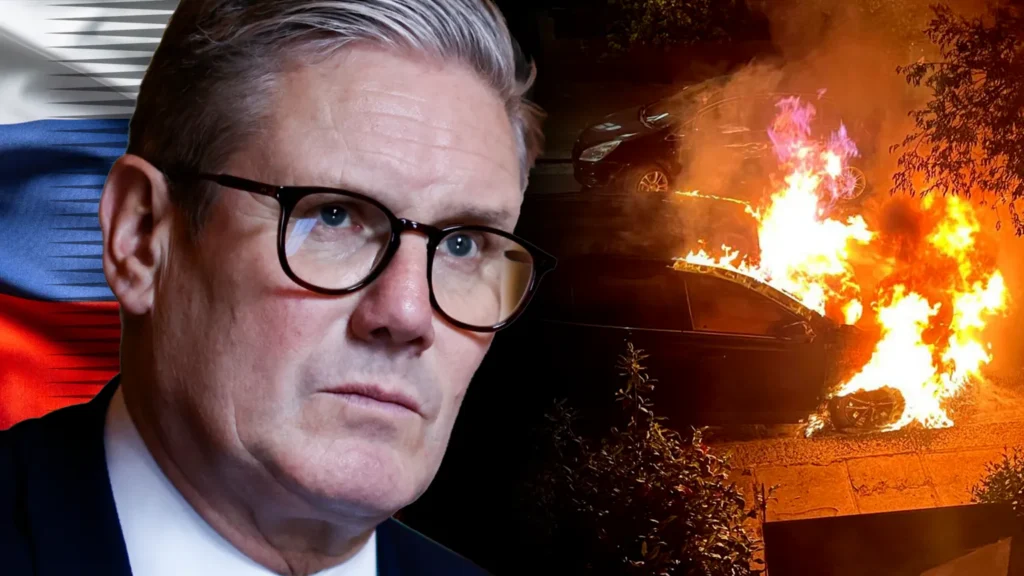
A series of arson attacks targeting properties linked to UK Prime Minister Sir Keir Starmer were part of a wider Russian-backed campaign of sabotage and online provocation, according to a BBC investigation.
The findings suggest the incidents were not isolated criminal acts, but instead connected to an organised effort involving disinformation networks, fake online groups and recruitment of individuals to carry out acts of vandalism and intimidation across the United Kingdom.
The investigation, conducted by BBC News Investigations and Panorama, identifies evidence linking the operation to Russian actors operating through encrypted messaging platforms such as Telegram. These networks allegedly created fake political movements designed to inflame tensions, spread extremist narratives and encourage real-world attacks.
One of the individuals convicted in connection with the arson incidents was reportedly recruited through an online handler using financial incentives and promises of Russian citizenship. The handler, identified in BBC reporting as “EL”, is described as being connected to a broader ecosystem of Russian information warfare operations.
Fake groups used to fuel real-world violence
According to the investigation, the network behind the attacks operated through fabricated organisations that mimicked grassroots political movements. These included far-right and religiously framed groups designed to provoke both anti-Muslim sentiment and anti-government anger in the UK.
Messages reviewed by BBC investigators show calls for vandalism, financial incentives for graffiti attacks, and coordinated efforts to amplify footage of damage online to increase fear and division.
The campaign reportedly extended beyond the UK, aligning with broader patterns of hybrid warfare attributed to Russia in Europe over recent years.
UK authorities cautious but concerned
While UK counter-terrorism police have not publicly confirmed state involvement, sources cited in the investigation suggest that intelligence assessments in both the UK and Ukraine have privately considered Russia to be behind the campaign.
Authorities say they continue to investigate multiple incidents of criminal damage linked to anti-Muslim hate crimes, though no arrests have yet been formally tied to a foreign state operation.
Part of a wider hybrid warfare strategy
Security experts quoted by the BBC describe the case as consistent with Russia’s broader strategy of hybrid warfare — combining cyber operations, propaganda, and proxy actors to destabilise Western governments without direct attribution.
The tactics reportedly include recruiting individuals online, exploiting social tensions, and using social media channels to spread coordinated narratives designed to deepen political division.
Former UK Defence Secretary Ben Wallace described the findings as evidence of a “deliberate escalation against the British state,” suggesting that such operations would require high-level strategic approval.
Investigation continues
The Russian embassy has denied any involvement, stating that Russia poses no threat to the United Kingdom and does not engage in such activities.
The BBC says its investigation is ongoing, as authorities continue to analyse links between online networks, extremist messaging, and real-world acts of vandalism and arson.
: 229