Birthright Citizenship Case May Impact Baby Healthcare Access

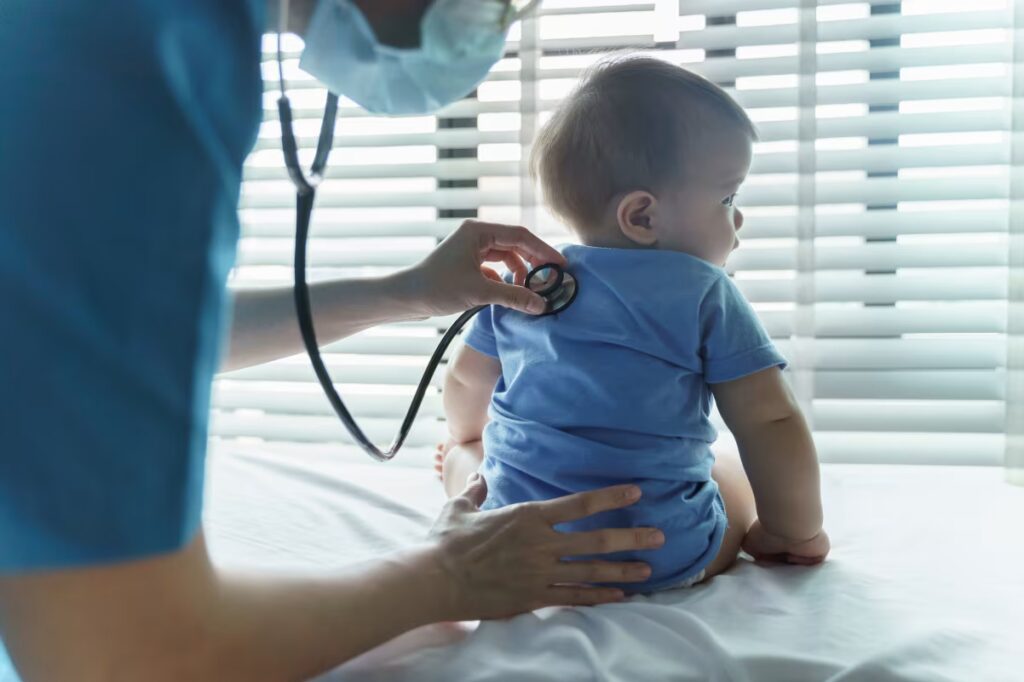
The US Supreme Court case on birthright citizenship is drawing attention not only for its legal and political implications but also for its potential impact on newborn healthcare access.
Experts warn that changes to how citizenship is granted at birth could disrupt early medical care, insurance enrollment, and essential health screenings for millions of babies in the United States.
How birthright citizenship connects to healthcare for babies
At the center of the concern is how newborns currently gain immediate access to healthcare services.
Under the current system, babies born in the United States are automatically granted citizenship. This allows hospitals to quickly process birth certificates, Social Security numbers, and healthcare enrollment without delays.
That automatic process ensures newborns can immediately access programs such as Medicaid and the Children’s Health Insurance Program (CHIP), which cover about half of all US children.
Experts warn of delays in critical newborn care
Pediatric specialists say that any added administrative step to verify citizenship could slow down essential medical processes during a critical time.
During the first days and weeks of life, babies undergo a series of urgent screenings. These include tests for jaundice, congenital heart defects, hearing loss, and rare metabolic disorders.
Doctors emphasize that delays in these tests could have lifelong consequences.
Essential newborn screenings at risk
Newborns typically receive several life-saving evaluations before leaving the hospital, including:
- Pulse oximetry tests to detect heart defects
- Heel-prick blood tests for genetic and metabolic disorders
- Hearing screenings to support early language development
Conditions like jaundice, which affects up to 60% of full-term newborns, require immediate monitoring. Without timely testing, elevated bilirubin levels can lead to permanent brain damage.
Healthcare access and insurance enrollment concerns
Experts also warn that changes to citizenship verification could delay enrollment in public health insurance programs.
Without immediate enrollment, families may face gaps in coverage during a newborn’s most vulnerable period. Pediatricians say this could lead to missed checkups, delayed treatments, and increased health risks.
Medicaid coverage is especially critical for newborn care, as it supports routine screenings, vaccinations, and follow-up visits during the first year of life.
Doctors say complexity could harm children’s health
Pediatricians stress that newborn care depends on speed and simplicity in administrative processes.
Any additional documentation requirements could create delays in care coordination between hospitals, government agencies, and families.
Experts warn that even small disruptions in the system could lead to missed diagnoses or delayed interventions during a critical stage of development.
Broader implications of the Supreme Court case
While the case focuses on the legal definition of citizenship, healthcare professionals argue that its ripple effects could extend far beyond immigration policy.
They say the real-world impact would be felt in hospital delivery rooms, pediatric clinics, and public health systems across the country.
The debate continues as the Supreme Court prepares to issue its final ruling, with healthcare advocates closely watching for potential consequences for newborn care.
Healthcare access at the center of legal debate
The birthright citizenship case highlights a broader concern: how legal and administrative changes can directly affect children’s health outcomes.
Experts warn that any disruption to automatic citizenship processes could unintentionally create barriers to essential medical care for newborns at their most vulnerable stage of life.
Author: Staff Writer | Edited for WTFwire.com | SOURCE: CNN
: 141