US Strikes Iran Again as Tehran Attacks Kuwait and Bahrain Bases

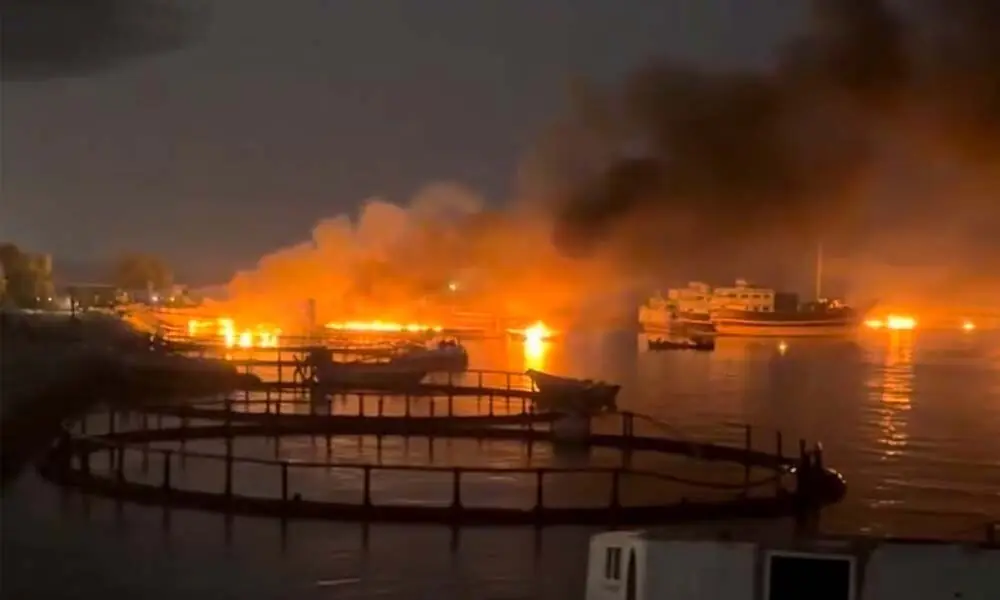
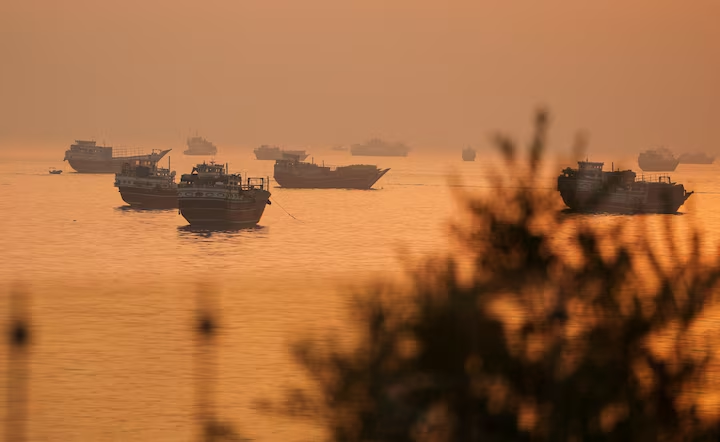
The United States military conducted new strikes on Iran on Wednesday to maintain freedom of navigation through the Strait of Hormuz, triggering Iranian counterattacks on US military installations in Kuwait and Bahrain in the most serious escalation since the two sides signed a ceasefire memorandum in June.
Trump Declares Interim Deal “Over”
The strikes came hours after President Donald Trump said he believed the interim ceasefire agreement reached on June 17 was effectively finished. “To me, I think it’s over. I don’t want to deal with them,” Trump told reporters ahead of the NATO summit in Ankara. “I found them to be very dishonourable people.”
Trump framed the new strikes as direct retribution for Iran’s attacks on three commercial tankers in the Strait of Hormuz on Tuesday. “This is in retribution for yesterday’s bombing of ships by Iran. If it happens again, it will get much worse!” he wrote on Truth Social.
US Central Command announced the operation on X: “US Central Command forces have started conducting additional strikes against Iran to further degrade their ability to threaten freedom of navigation in the Strait of Hormuz.” A US official told Reuters the Wednesday strikes would be greater in number than those conducted the previous day.
Despite the escalatory language, Trump said he did not expect a return to full-scale war, predicting that “anything that happens is going to be over very quickly.”
Iran Strikes Kuwait and Bahrain, Issues Threats
Iran responded with a second consecutive day of missile and drone attacks on Kuwait and Bahrain, both of which host major US military bases. Kuwait’s Defense Ministry said it was intercepting incoming projectiles. Qatar briefly issued an elevated security threat alert before giving the all-clear.
Iran’s top negotiator Mohammad Baqer Qalibaf warned of further retaliation. “The US has yet to learn that bullying and breaking its commitments no longer come without a cost,” he wrote on X. “Let me be clear: If you strike, you will be struck back. The Strait of Hormuz will be reopened only under Iranian arrangements, not through US threats.”
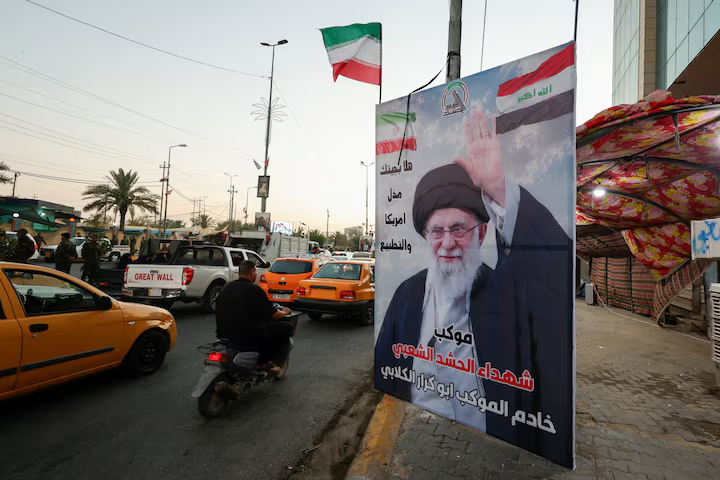
An adviser to Iran’s Supreme Leader threatened that the “aggressor enemy will be severely punished.” Iranian lawmakers’ National Security Commission raised the possibility of withdrawing from the nuclear Non-Proliferation Treaty, changing Iran’s nuclear doctrine, and closing the Bab el-Mandeb Strait — another critical global shipping chokepoint at the mouth of the Red Sea — as potential retaliatory options.
In a letter to the United Nations Security Council, Iran’s UN mission accused Washington of a “blatant violation of the Charter of the United Nations” and said the strikes violated the memorandum of understanding the two countries had signed.
Major Iranian Port City Among Targets
Strikes struck several locations along Iran’s southern coast, from the Strait of Hormuz to the Gulf of Oman. Bandar Abbas, home to Iran’s largest port and key naval and Revolutionary Guards facilities on the strait, was among the targets. The coastal cities of Konarak and Chabahar near the Pakistani border were also hit. Power was knocked out in parts of Chabahar before being largely restored, according to local utility reports. A maritime traffic control tower in Chabahar was struck. A firefighter was killed in a strike on the airport in the southeastern city of Iranshahr, state media reported. A railway bridge near Aqqala in northern Iran was also hit, according to Press TV.
Iran’s Foreign Ministry had previously argued that earlier US actions violated the memorandum by challenging a clause recognizing Tehran’s responsibility for managing safe passage through the strait — the central point of contention in the broader dispute.
Oil Rises, Ceasefire Prospects Dim
Wednesday’s US strikes Iran Kuwait Bahrain escalation pushed oil prices higher. Brent crude futures rose roughly 1% to $78.80 per barrel, though prices remained well below the late-April peak of more than $120 per barrel reached at the height of the conflict.
The exchanges appeared to significantly dim prospects for converting the June 17 memorandum — which had given both sides 60 days to negotiate a permanent deal — into a lasting settlement. Most analysts had already been skeptical about the timeline, and the latest escalation leaves the next round of negotiations without a confirmed date.
Author: Staff Writer | Edited for WTFwire.com | SOURCE: Reuters
: 21