Why Iran Now Prioritizes Hormuz Control Over Its Nuclear Program


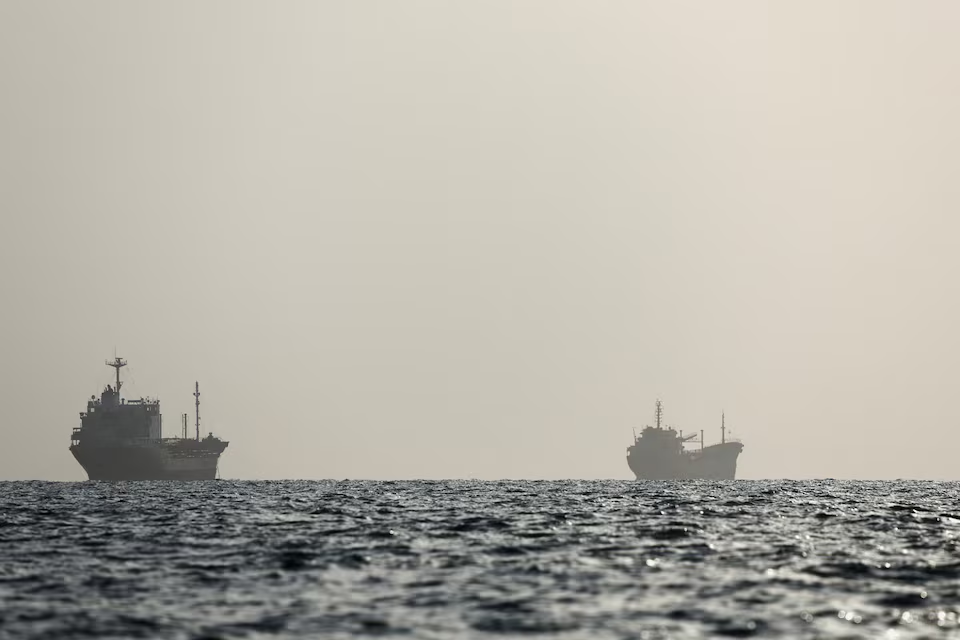
For decades, Iran’s nuclear program was the defining source of tension between Tehran and the West — the basis for sweeping international sanctions and, ultimately, the stated primary reason for the US-Israeli war that began in February. That is no longer the case. Control over the Strait of Hormuz has emerged as Iran’s paramount strategic priority, eclipsing even the nuclear file — and Tehran is willing to risk further military escalation to formalize that control.
Hormuz as Iran’s “Golden Weapon”
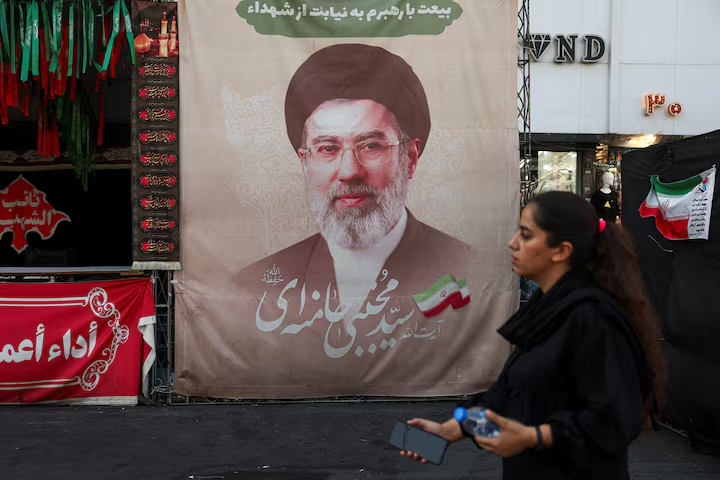
Iranian officials and analysts inside Tehran describe Hormuz as a “golden weapon” — an asset so valuable that no rational government would surrender it, and one that Iran is now determined to institutionalize rather than merely possess. The principle is straightforward: Iran forced the United States to the negotiating table by closing the strait to all traffic after the February 28 airstrikes that killed Supreme Leader Ayatollah Ali Khamenei and other senior officials. Having done it once, Tehran now believes it must make that authority permanent.
“Recognise the new Iranian order in the Strait of Hormuz: this is the only way forward,” wrote Ebrahim Azizi, a member of Iran’s parliamentary national security and foreign policy committee, in a message addressed directly to Washington.
Senior Iranian sources told Reuters there is little internal disagreement on this point. While there were discussions about whether Iran risked overplaying its hand, the prevailing view in top circles is that no concession on Hormuz is possible. “The issue of Hormuz, which is Iran’s golden weapon, is something they now want to take away from Iran, and that will be absolutely impossible,” one senior source said.
How the Interim Deal’s Vague Wording Fuels the Dispute
The memorandum of understanding signed on June 17 is at the center of the current confrontation. The document states that Iran “will make arrangements using its best efforts for the safe passage of commercial vessels with no charge for 60 days only.” Iranian negotiators interpret this as US recognition of Tehran’s right to manage the waterway — albeit without charging fees for two months. The United States and Gulf states reject that reading entirely, viewing the clause as simply requiring Iran to allow ships to pass freely, not as conferring any permanent managerial authority over the strait.
This interpretive gap has become the immediate trigger for the current cycle of attacks. Ships transiting the strait without Iranian approval were fired upon this week, sparking the US counterstrikes and Iran’s attacks on Bahrain and Kuwait — and threatening to collapse the entire diplomatic framework.
Why Iran Chose Hormuz Over the Nuclear File
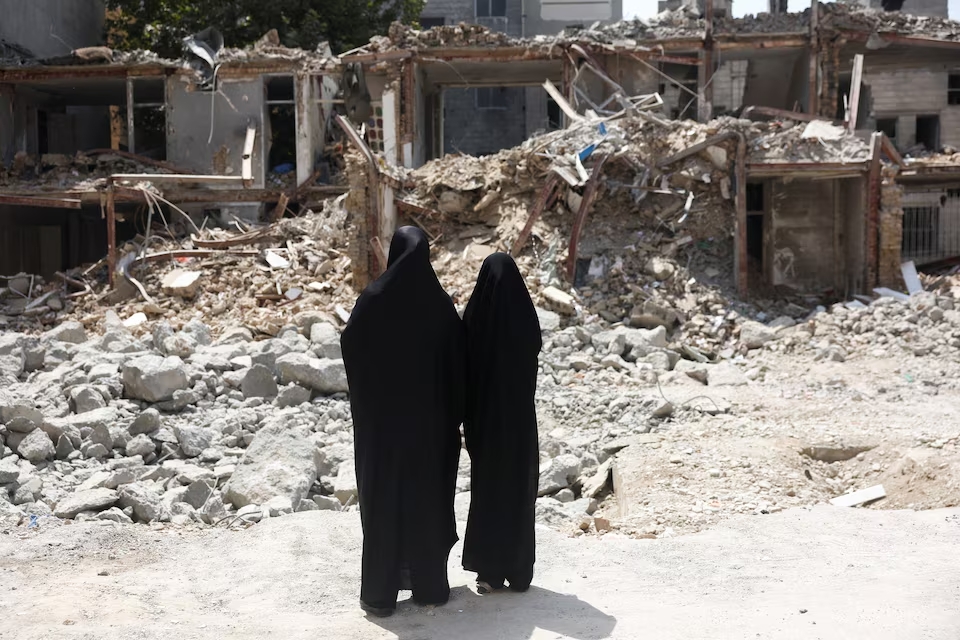
Iran’s prioritization of Hormuz over its nuclear program reflects a strategic calculation shaped by bitter experience. When the United States and Israel attacked on February 28, Iranian officials felt they had nothing left to lose and took a step they had long resisted: closing the strait to all shipping except their own, triggering the largest disruption to global energy supplies in history.
For years, Iranian officials had privately viewed closing the strait as a weapon of last resort — aware that doing so would anger Gulf neighbors and global energy consumers, ultimately harming Iran’s own economy. But the attack changed that calculus. Having closed the strait once and extracted a ceasefire as a result, Tehran now believes formalizing that power is essential to its long-term security.
Iran’s distrust of Washington compounds this calculation. Trump’s 2018 withdrawal from the nuclear deal, his decision to launch a war while diplomatic negotiations were underway, and his resumption of hostilities this week despite an agreed ceasefire have all reinforced the view in Tehran that concessions to the US lead only to escalating demands. If Iran backed down on Hormuz, one senior source told Reuters, “Trump would only intensify his demands in other areas, including the nuclear file and Iran’s stock of conventional missiles. Such a move means surrender, and this is not possible.”
Nuclear Talks Conditional on Hormuz Recognition
Under the interim deal, negotiations on Iran’s nuclear program were deferred to further discussions — making the nuclear issue, which drove two and a half decades of international confrontation, secondary for the first time. Iran has now made its position explicit: it will not begin nuclear talks until Washington accepts its full authority over the Strait of Hormuz, according to senior Iranian sources who spoke to Reuters.
“Both sides were having anxieties about the immediate economic problems they were facing. But both sides also think they’ve won. So there’s this view that they just need to push a bit further to get what they want,” said Ali Ansari, professor of modern history at the University of St Andrews.
Washington and US Gulf allies insist they will not accept any arrangement that formally grants Iran control over one of the world’s most critical shipping lanes — through which roughly one-fifth of global oil and gas supplies passed daily before the war. The result is a standoff in which each side believes time is on its side, and neither has an incentive to be the first to blink.
Author: Staff Writer | Edited for WTFwire.com | SOURCE: Reuters
: 289