Cyclospora Outbreak Reaches 1,000 Cases in Michigan, Source Unknown

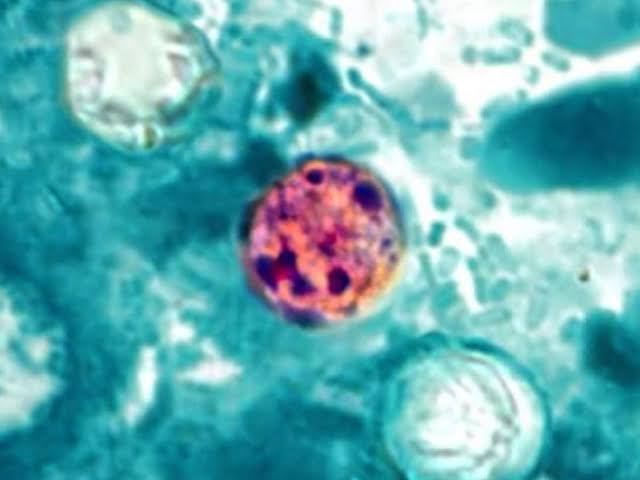
Michigan is experiencing the largest cyclospora outbreak in its history, with nearly 1,000 residents diagnosed with the diarrhea-causing parasitic infection as of Wednesday — and no source has yet been identified. Investigations into similar cases are ongoing in 28 other states.
Outbreak Centered in Michigan, Spreading Into Ohio
Michigan officials first disclosed the outbreak last week with more than 170 confirmed cases concentrated in the southeastern corner of the state since June 22. By Wednesday, that figure had grown to 992, including approximately 40 hospitalizations. The state typically records only around 50 cyclospora cases in an entire year.
Just across the state line, Lucas County, Ohio, has reported 306 cases as of Wednesday, with northwest Ohio seeing more than 400 total. The CDC has also confirmed cases from early May through June 16 in 17 states, including Illinois, Maryland, Massachusetts, New York, and Texas. No deaths have been reported.
“There is clearly a linked outbreak happening right now,” said Dr. Natasha Bagdasarian, Michigan’s chief medical executive. The FDA said Wednesday that its investigation was “ongoing” and that its scientists are working closely with state partners, international regulators, and industry stakeholders. Michigan officials noted that their aggressiveness in investigating and reporting may be “part of the reason why this looks like a Michigan problem.”
Why the Source Is So Hard to Pin Down
Cyclospora outbreaks are notoriously difficult to trace. The parasite cannot be grown in laboratory settings, making it harder to extract evidence from contaminated produce. Investigators also struggle to establish a common food link among cases, particularly when the likely source is a widely used ingredient such as basil or cilantro that appears across many different recipes and restaurant dishes.
Distributors may channel contaminated produce to both grocery stores and restaurants simultaneously, further complicating traceback efforts. Investigations into cyclospora outbreaks can take months and sometimes never conclusively identify a source.
Previous US and Canadian outbreaks have been linked to bagged salad mixes, fresh cilantro, fresh basil, raspberries, snow peas, and scallions. The Michigan Department of Health and Human Services says investigations are still underway to identify the food source in the current outbreak.
Standard multiplex stool tests used to check for common foodborne illnesses do not typically detect cyclospora, leading to widespread underreporting. “There is a lot of underreporting when it comes to this,” said Melanie Firestone, a foodborne illness researcher at the University of Minnesota.
How This Outbreak Compares Historically
Available data shows only a small number of documented US cyclospora outbreaks in the past two decades have surpassed 1,000 cases. Notable precedents include a 1997 outbreak tied to Guatemalan raspberries that sickened more than 1,000 people in the US and Canada, and a 2019 outbreak linked to Mexican basil that infected more than 2,400. The current case total is already running four times higher than at the same point last year, according to CDC national data — though that data significantly lags what states are reporting in real time.
There is no evidence the parasite has evolved to become more infectious, according to Dianna Blau, acting chief of the CDC’s parasitic diseases branch.
Symptoms and When to See a Doctor
Cyclospora infects the bowel and is spread through feces-contaminated food or water. Common symptoms include frequent and sometimes explosive watery diarrhea, loss of appetite, weight loss, cramping, bloating, nausea, and fatigue. Less common symptoms include vomiting, body aches, headache, and low-grade fever. The illness is not known to spread from person to person.
People with diarrhea that has not resolved on its own within a few days are encouraged to see a healthcare provider and specifically raise the possibility of cyclospora — since the infection requires a dedicated test not included on standard panels. Treatment with the antibiotic trimethoprim-sulfa is effective once a diagnosis is confirmed.
What Michigan Officials Are Recommending
While a source is being investigated, Michigan health officials are advising residents to purchase whole heads of lettuce rather than prewashed bagged salad mixes, remove the outer two to three leaves before washing the rest under running water, cook vegetables when possible, and wash all produce thoroughly before eating. They caution that cyclospora eggs can be particularly sticky and that washing alone may not eliminate the risk entirely on some produce types such as raspberries.
Author: Staff Writer | Edited for WTFwire.com | SOURCE: CBS News
: 281