Global Bond Markets Warn Governments Over Fiscal Risks

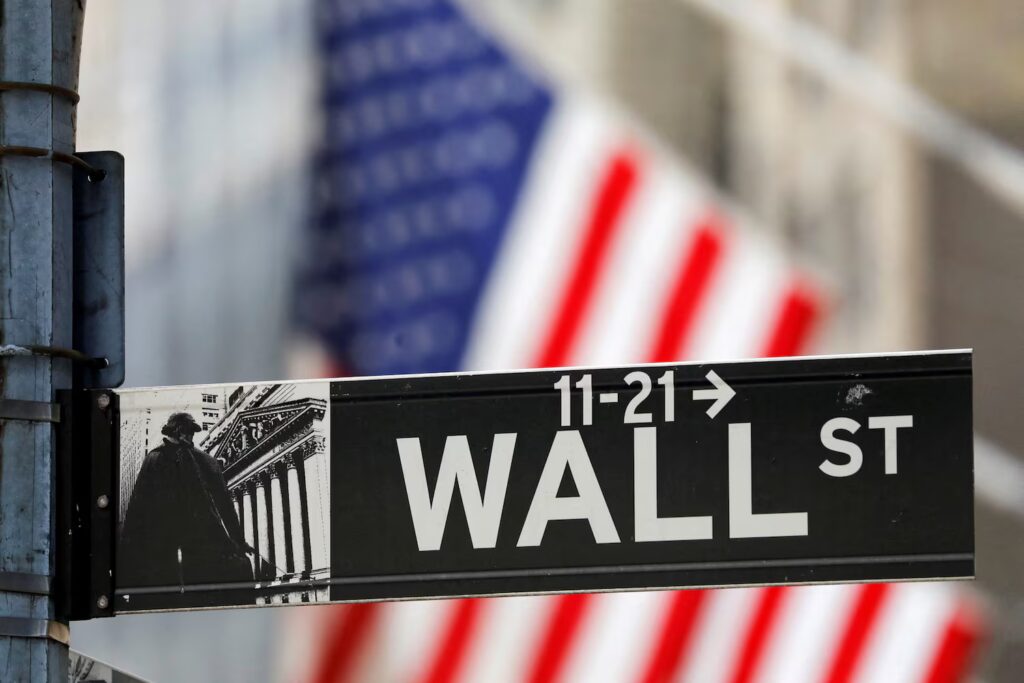
Global bond markets put governments on notice Tuesday, as long-term borrowing costs from the United States to Germany and Japan hit their highest levels in decades on the back of ballooning government debt and geopolitical risk.
A more uncertain outlook
Bond markets are entering an era in which the inflation and interest rate outlook looks more uncertain, and the upside risks look greater, as U.S. President Donald Trump’s policies — from tariffs to war — upend the global order.
Debt levels in developed countries are reaching levels that look increasingly unsustainable, with the U.S. debt pile nearing $40 trillion. The war in Iran is dragging on, pushing up oil prices and inflation and weighing on global growth. Massive borrowing by technology companies to fund artificial intelligence infrastructure is also competing with demand for government bonds.
Taken together, the post-financial-crisis era of low rates and subdued inflation may be over, said Kjersti Haugland, chief economist at investment bank DNB Carnegie. “It coincides with the very high level of government debt in many countries, particularly Japan, the U.S., France and the UK,” she said.
Yields climb from Washington to Tokyo
Thirty-year yields in the United States, the world’s deepest and most systemically crucial government bond market, hit their highest level since 2007 as oil prices rose back above $90, fanning inflation worries as U.S.-Iran peace hopes faded.
In Japan, inflation concerns and expectations of a rate hike as early as September pushed 10-year borrowing costs to a three-decade high, just under 3%.
In Europe, Germany’s 10-year Bund yield touched its highest level since 2011, French yields hit their highest since 2008, and Britain’s 30-year borrowing costs neared the peaks reached in May, the highest since 1998. Rising yields also hit stock markets, with the Nasdaq and Europe’s STOXX 600 both trading lower Tuesday.
The selloff matters because sovereign debt sets the benchmark for borrowing costs across the economy, including corporate loans and household mortgages.
A danger zone for markets
Analysts said competition for capital from AI hyperscalers building huge data centers has coincided with rising budget deficits and, in the U.S., concern over communication from the Federal Reserve under new Chair Kevin Warsh, exacerbating the selloff.
For some investors, higher yields reflect growing worry about how risky government debt has become given rising deficits and policy uncertainty, more than inflation concerns alone.
The New York Fed estimates that the extra compensation investors demand for lending to the government for 10 years — around 80 basis points — is close to its highest level in 12 years. U.S. 10-year Treasury yields, near 4.73%, are now trading at levels that have historically drawn the attention of U.S. officials, with the 5% mark in focus.
“This will be very important, not just for bond markets, but also other financial assets, as any break higher is likely to undermine confidence,” said Zurich Insurance Group chief market strategist Guy Miller. “Given the importance of this level, we are likely to see it defended by the U.S. Treasury.”
A Treasury spokesperson did not immediately respond to a request for comment.
Analysts also noted that the Treasury’s decision to sell euros rather than dollars in a recent joint intervention with Japan to support the yen suggests Washington wants to avoid further bond market strain from foreign central banks selling Treasuries to fund currency operations.
Foreign holdings of U.S. Treasuries fell in June, Treasury Department data showed Monday, led by declines from Japan, the UK and China. Two recent Treasury auctions also drew attention: a 10-year note sale cleared at 4.683%, the highest in 19 years, while a 30-year bond auction stopped at 5.216%, a 25-year peak.
Rising tariff refunds have added further strain to U.S. public finances after the Supreme Court struck down the emergency tariffs Trump imposed last year.
Japan’s shifting dynamics
Rising bond yields in Japan, where 30-year borrowing costs sit just above 4%, are starting to draw in Japanese investors, traditionally big buyers of U.S. debt — creating another headwind for the U.S. bond market.
Charu Chanana, chief investment strategist at Saxo Bank in Singapore, said the move in Japanese bonds makes them more attractive, making it harder for Washington to count on foreign demand.
For some investors, rising yields are making the market look attractive, which could support prices from here. “We are long on duration. I don’t expect it will last,” said Pictet senior investment adviser Christopher Dembik.
In Europe, where high government spending and debt have weighed on France and Britain, concern that climate events will add to spending pressures has also played a role. “It’s not just oil that people are looking at, but there’s a broader inflation picture that keeps the ECB hawkish,” said ING senior rates strategist Benjamin Schroeder.
Author: Staff Writer | Edited for WTFwire.com | SOURCE: Reuters
: 41