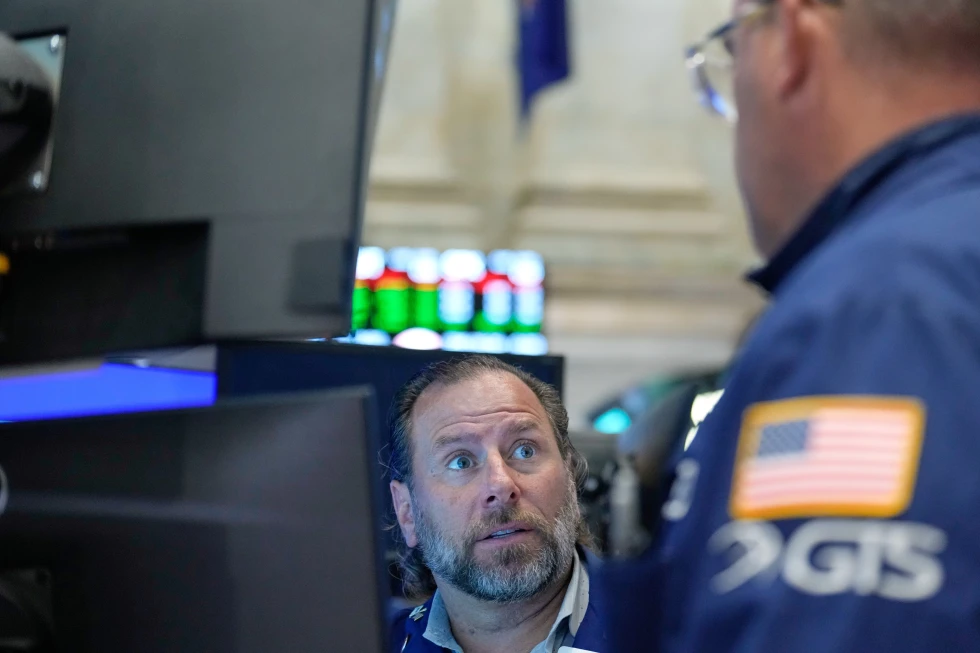
AI Stocks Slide as Oil Prices Halt Wall Street Rally


The recent rally on S&P 500 and Nasdaq Composite lost momentum Tuesday as rising oil prices and a sharp sell-off in artificial intelligence stocks pulled markets lower.
The S&P 500 slipped 0.2% from its record high, while the Nasdaq fell 0.7% after reaching all-time highs a day earlier. Meanwhile, the Dow Jones Industrial Average managed a modest 0.1% gain.
AI stocks lead market decline
Technology and semiconductor companies tied to the AI boom posted some of the market’s biggest losses.
Intel dropped 8.6% despite its stock having more than tripled earlier this year.
Other major declines included:
- Micron Technology down 6.1%
- CoreWeave down 7.7%
The weakness began overnight in Asia after South Korea’s government sparked investor concern with discussions around redistributing excess AI industry profits to citizens.
That pressure helped drag the Kospi down 2.3% from record highs.
Oil prices climb as Iran war continues
At the same time, energy markets moved sharply higher as the Iran war continued threatening global oil supplies.
Brent crude oil rose 3.6% to $107.97 per barrel as fears intensified over the prolonged closure of the Strait of Hormuz.
Before the conflict, Brent crude traded near $70 per barrel.
The war has disrupted tanker traffic through one of the world’s most critical energy shipping lanes, fueling higher gasoline prices and inflation worldwide.
Inflation worries pressure markets
Fresh U.S. inflation data released Tuesday added further pressure on investors.
Consumer prices rose more than economists expected in April, while core inflation — which excludes food and energy — also accelerated unexpectedly.
The report reinforced concerns that higher oil prices, tariffs and supply disruptions may keep inflation elevated longer than anticipated.
Brian Jacobsen, chief economic strategist at Annex Wealth Management, said several forces are contributing to the price increases.
“That could be a result of tariffs and bad weather also pushing prices higher,” Jacobsen noted.
Treasury yields rise as Fed outlook shifts
Bond markets also reflected growing concern that the Federal Reserve may keep interest rates elevated for longer.
The 10-year Treasury yield climbed to 4.46%, remaining well above levels seen before the Iran conflict began.
Investors are increasingly betting the Fed could even raise interest rates again by the end of the year if inflation continues accelerating.
Higher rates generally:
- Increase borrowing costs
- Slow economic growth
- Pressure stock valuations
- Weigh heavily on high-growth tech companies
Strong earnings continue supporting stocks
Despite Tuesday’s sell-off, strong corporate earnings continue providing support for the broader market.
More companies are still beating Wall Street profit expectations than missing them.
Zebra Technologies surged 14.4% after reporting stronger-than-expected earnings and raising its full-year outlook.
The company cited continued demand for automation and digital workflow technologies.
Retail and housing stocks struggle
Not all corporate earnings impressed investors.
Under Armour plunged 19.4% after posting a larger quarterly loss than analysts expected.
CEO Kevin Plank said the company remains focused on restructuring and restoring operational discipline.
Meanwhile:
- GameStop fell 2.5% after eBay rejected its acquisition proposal
- Beazer Homes dropped 4.8% after rejecting a takeover offer from Dream Finders Homes
Global markets also retreat
International markets mostly moved lower alongside Wall Street.
Major declines included:
- Germany’s DAX down 1.6%
- France’s CAC 40 down 1%
- South Korea’s Kospi down 2.3%
Japan’s Nikkei 225 was one of the few major indexes to post gains, rising 0.5%.
Investors monitor Iran conflict closely
Markets remain highly sensitive to developments surrounding the Iran war and the global energy crisis.
Analysts say any prolonged disruption in oil shipments through the Strait of Hormuz could:
- Push inflation even higher
- Delay Federal Reserve rate cuts
- Hurt corporate profits
- Slow global economic growth
For now, investors are balancing optimism around AI-driven growth against mounting geopolitical and inflation risks.
: 457