Fed’s Warsh Vows Zero Tolerance for Inflation, Offers No Hints

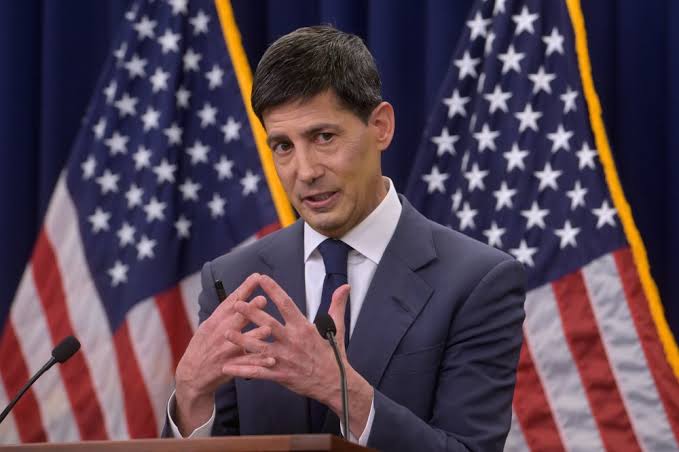
Federal Reserve Chair Kevin Warsh told Congress Tuesday that the central bank will make high inflation “a thing of the past” but declined to signal whether rate hikes are coming, even as a fresh government report showed inflation falling more sharply than expected in June.
Warsh’s First Congressional Testimony as Fed Chair
Testifying before the House Financial Services Committee for the first time since replacing Jerome Powell on May 22, Warsh said Fed policymakers “have no tolerance for persistently elevated inflation” and share a “resolute commitment to restoring price stability.”
Despite the hawkish language, Warsh offered no guidance on the Fed’s next policy move — consistent with his stated opposition to forward guidance. “There might be some that look at this morning’s data and say, ‘mission accomplished,'” he said. “That is not my view.”
June Inflation Falls Sharply, But Questions Remain
The government reported Tuesday that the Consumer Price Index fell 0.4% from May to June, driven largely by declining gas prices. Year-over-year inflation dropped to 3.5%, down from 4.2% in May. Core inflation — which strips out volatile food and energy costs — rose just 2.6% annually in June, down from 2.9% in May and better than economists had forecast.
The softer readings reduce pressure on the Fed Warsh inflation interest rates calculus, but Warsh cautioned that one month of data does not signal victory over price pressures.
A Divided Committee and Shifting Outlook
The Fed’s rate-setting committee remains sharply split. About half of its 19 members penciled in higher rates by year-end in forecasts released last month. The other half signaled support for holding rates steady or cutting them. Warsh faces the challenge of steering a divided body through a rapidly shifting economic landscape.
Fed Governor Christopher Waller said Monday that another “hot” inflation reading would force the committee to consider raising rates “in the near term.” By contrast, New York Fed President John Williams suggested last week that if core inflation holds at a 0.2% monthly pace for the rest of the year, rate hikes could be avoided entirely.
Iran War and AI Spending Threaten Progress
Two factors could reverse inflation’s downward trajectory in coming months. Renewed fighting in the Middle East has pushed oil prices back up after they had nearly returned to prewar levels. Gas prices remain roughly 35% above where they were when the US attacked Iran on February 28, even after falling about 20% from their peak.
The second factor is AI infrastructure investment. Warsh described it as “the most striking feature of the economy right now,” noting that the surge in demand for memory chips and processors from major technology companies — including Alphabet, Microsoft, Amazon, and Meta — has driven semiconductor prices sharply higher, translating into price increases for laptops, tablets, and gaming consoles. The Fed is “monitoring the implications” for both inflation and employment, he said.
Fed Independence Questioned by Democrats
Democratic committee members pressed Warsh on whether he would resist pressure from President Donald Trump, who repeatedly attacked former Fed Chair Powell, to cut rates without economic justification. “Are you ready for that?” asked Representative Gregory Meeks of New York.
“My commitment to you is to follow the law and follow the data, follow our very best judgment,” Warsh replied.
Warsh also cited the Supreme Court’s recent ruling allowing Fed Governor Lisa Cook to remain on the board — blocking Trump’s attempt to remove her — as confirmation that the high court recognizes the Fed’s independence. “To the extent there were questions about it, the court has answered those questions,” he said.
Author: Staff Writer | Edited for WTFwire.com | SOURCE: AP News
: 373