Federal Reserve Holds Rates Steady as Warsh Signals Possible 2026 Hike


WASHINGTON — The Federal Reserve left interest rates unchanged on Wednesday but signaled that borrowing costs could rise later this year as inflation remains above the central bank’s target.
The decision marked the first major policy meeting under new Federal Reserve Chair Kevin Warsh, who took office last month after being appointed by President Donald Trump.
The Federal Open Market Committee voted unanimously to keep the benchmark federal funds rate within a range of 3.50% to 3.75%.
Federal Reserve Interest Rates Remain Unchanged
The central bank’s latest economic projections showed a notable shift in expectations.
Nine policymakers now anticipate at least one quarter-point rate increase before the end of 2026. The updated forecasts reflect growing concerns that inflation could remain elevated longer than previously expected.
At the same time, officials projected that inflation would gradually ease in 2027 and 2028, allowing rates to eventually decline again.
The Federal Reserve’s statement emphasized its commitment to restoring price stability.
“The Committee will deliver price stability,” policymakers said.
Warsh Begins to Reshape Fed Communication
The policy statement revealed several early signs of Warsh’s influence on the central bank.
Officials removed language that had previously suggested further rate cuts were likely. The revised statement also eliminated specific guidance about future policy moves.
Instead, the Fed adopted a shorter format that focused primarily on the current rate decision and reaffirmed its commitment to maintaining ample reserves in the banking system.
The approach resembles communication practices used during the tenure of former Federal Reserve Chair Alan Greenspan.
Warsh has previously criticized the Fed’s quarterly Summary of Economic Projections and the widely followed “dot plot” chart that tracks policymakers’ rate expectations.
Interestingly, only 18 of the Fed’s 19 policymakers submitted projections for the latest dot plot. While the missing submission was not identified, analysts believe it likely belonged to Warsh.
Inflation Remains a Key Concern
The Federal Reserve raised its inflation forecast for the end of 2026 to 3.6%, up from the 2.7% projection issued in March.
Officials attributed part of the inflation pressure to supply-side disruptions affecting several sectors, including energy.
Despite the higher inflation outlook, policymakers expect price growth to slow significantly over the coming years.
The Fed forecasts inflation will fall to 2.3% in 2027, moving closer to its long-term target of 2%.
The statement also highlighted strong productivity growth and continued capital investment, two economic trends Warsh has frequently emphasized in public remarks.
Economic Growth Outlook Softens Slightly
Federal Reserve officials slightly reduced their expectations for economic growth.
However, projections for the labor market remained largely unchanged.
The unemployment rate is expected to end the year at 4.4%, matching forecasts issued in March.
The relatively stable labor market outlook suggests policymakers believe the economy can withstand tighter financial conditions if inflation pressures persist.
Financial Markets React to Fed Decision
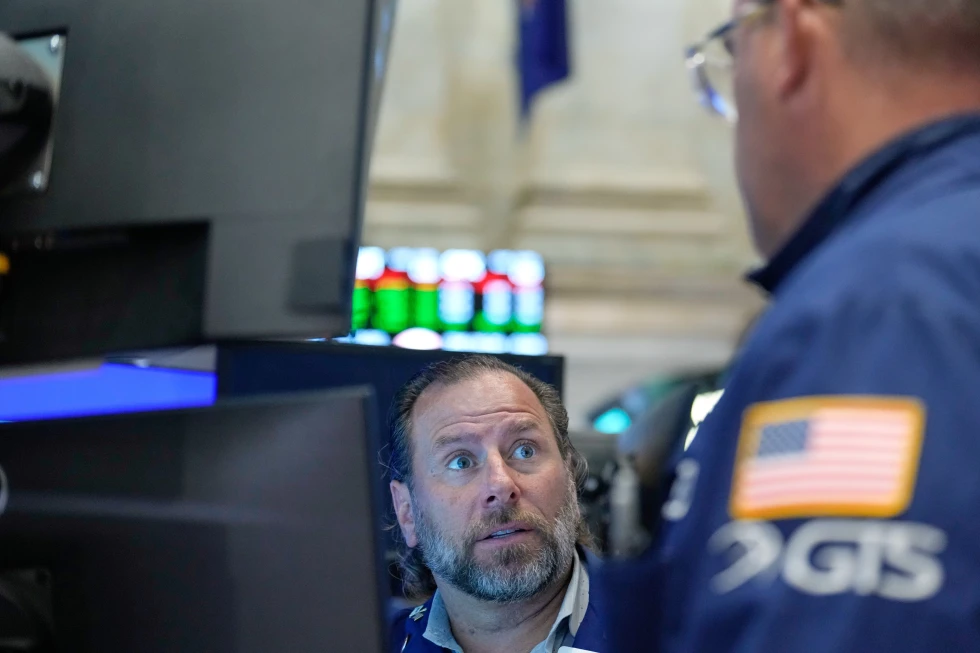
Investors quickly adjusted expectations following the announcement.
Treasury yields moved higher, while U.S. stock indexes slipped modestly. The U.S. dollar strengthened against major global currencies.
Short-term interest-rate futures also shifted, reflecting increased expectations that the Federal Reserve could raise rates before the end of the year.
The market reaction highlighted investor recognition that the central bank’s focus has moved away from rate cuts and toward controlling persistent inflation.
A New Direction for Monetary Policy
The latest meeting represents a significant turning point for the Federal Reserve.
Since late 2024, policymakers had largely focused on lowering borrowing costs after successfully reducing inflation from the multi-decade highs seen during and after the COVID-19 pandemic.
Now, under Warsh’s leadership, the central bank appears more willing to consider additional tightening if inflation remains stubbornly high.
While rates remain unchanged for now, Wednesday’s decision suggests the Federal Reserve is entering a new phase of monetary policy — one where the fight against inflation remains the dominant priority.
Investors will closely watch Warsh’s upcoming remarks and future economic data for clues about whether a rate hike could arrive before the end of 2026.
Author: Staff Writer | Edited for WTFwire.com | SOURCE: Reuters
: 311