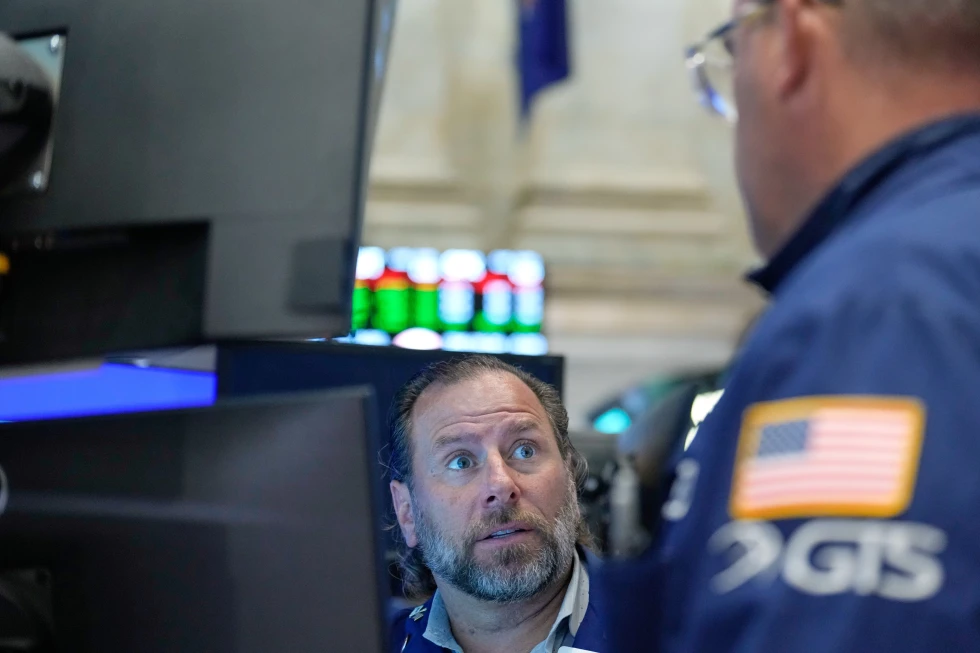
Fed Chair Warsh Defends Independence, Signals Focus on Inflation


New Federal Reserve Chair Kevin Warsh delivered a clear signal Wednesday that the central bank will prioritize bringing inflation under control, reinforcing its independence from political pressure and effectively closing the door on the interest rate cuts President Donald Trump has repeatedly demanded.
Warsh Commits to Price Stability at Portugal Conference
Speaking at a central bank conference in Sintra, Portugal, Warsh addressed market expectations directly. Anyone hoping the Fed might accept inflation running above its 2% target, he said, “I guess they’d be disappointed. We’re going to deliver price stability.”
When asked about Trump’s persistent calls for lower interest rates, Warsh drew a firm line. “We’ve been an independent central bank for a very long time,” he said. “We’re going to be an independent central bank at this moment and you’re going to see no changes to that.”
A Shift From His Pre-Appointment Stance
Warsh’s comments mark a notable evolution from the position he held before taking the job. During what observers described as an informal campaign for the chairmanship last year, Warsh publicly advocated for lower rates. Since replacing Jerome Powell on May 22, however, he has consistently moved away from that stance and focused instead on containing inflation.
On Wednesday, Warsh declined to specify what policy steps the Fed would take to achieve its inflation targets — consistent with his well-documented opposition to so-called forward guidance, in which central bank leaders signal their next policy moves in advance. “I’m not going to make a judgment now,” he said during a panel discussion with other central bankers. “The tactics, the strategy, and the rest — that’s still to come.”
Rate Hike Possible as Soon as September
Wall Street investors currently expect the Fed could raise its benchmark interest rate as early as September, lifting it from its current level of approximately 3.6% to around 3.9%. At the Fed’s most recent meeting on June 16-17, nearly half of the 19 policymakers indicated support for higher rates this year, while eight favored holding steady and one projected a cut. Warsh did not submit a forecast, in keeping with his opposition to providing guidance.
Inflation Rose to a Three-Year High Amid Iran War
The economic backdrop has shifted considerably since Trump nominated Warsh in January. Inflation climbed to a three-year high of 4.2% in May, driven largely by rising gas prices caused by the war with Iran. With a preliminary peace agreement now in place, gas prices have begun to ease, raising the possibility that inflation may have peaked. Fed officials may choose to wait and assess where prices settle before deciding on their next move.
Warsh acknowledged on Wednesday that some indicators suggest the inflation threat is moderating. He pointed specifically to declining inflation expectations, as measured by consumer surveys and bond markets, both of which have trended downward over the past month.
Jobs Market Reduces Pressure on the Fed
The labor market also factors into the Fed’s calculus. Hiring has strengthened in recent months, and economists expect Thursday’s jobs report to show the unemployment rate holding steady at a low 4.3%. A solid jobs report would reduce the urgency for the Fed to cut rates to support the economy.
AI Investment Adds a New Inflationary Variable
Warsh reiterated his longer-term view that artificial intelligence will ultimately expand economic output and ease inflationary pressures. Many economists, however, caution that those benefits could take years to materialize. In the near term, the rapid buildout of AI infrastructure is already pushing up prices for semiconductor and computing equipment, adding to inflationary pressures.
Warsh declined to comment directly on whether AI spending is currently inflationary, noting that he has established five internal task forces at the Fed to examine a range of issues, including AI’s impact on productivity and the broader economy.
“This is as exciting a time and also as consequential a time to be a central banker that I can think of at any point, maybe outside of a crisis, in my adult lifetime,” he said.
Author: Staff Writer | Edited for WTFwire.com | SOURCE: AP News
: 218