Global Stocks Surge and Oil Prices Drop After US-Iran Tentative Peace Deal on Strait of Hormuz


Global financial markets surged on Monday as investors reacted positively to a tentative agreement between the United States and Iran aimed at extending a ceasefire and reopening the Strait of Hormuz, a critical artery for global oil shipments.
The announcement sparked optimism that the long-running conflict, which has disrupted energy flows and fueled inflation worldwide, could be moving toward a more stable phase. Oil prices dropped sharply in response, while equities rose across Asia, Europe, and the United States.
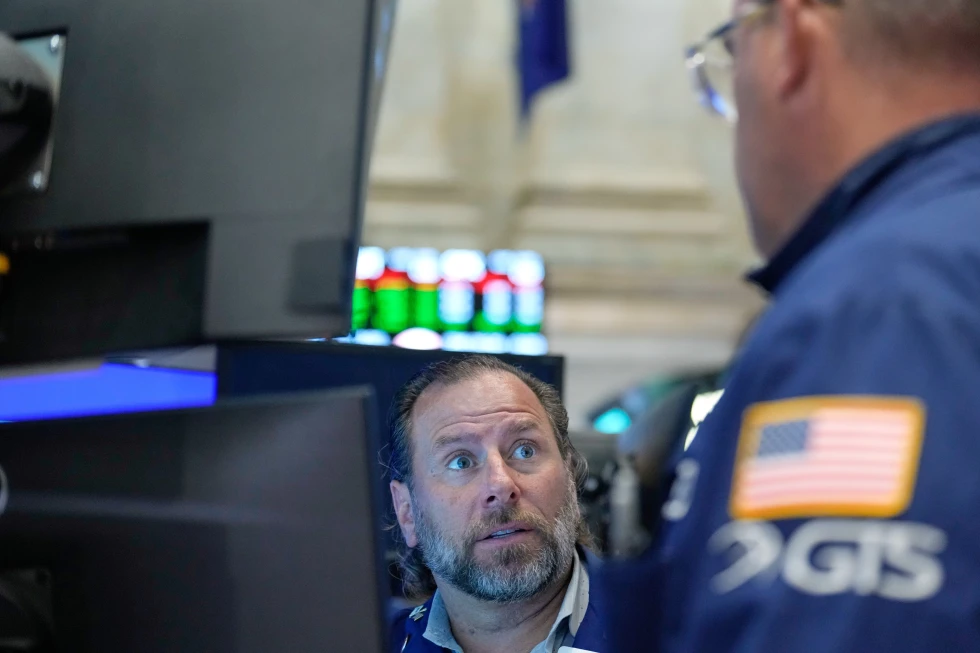
On Wall Street, the S&P 500 climbed 1.9% by mid-afternoon, while the Dow Jones Industrial Average gained more than 700 points, or 1.4%. The Nasdaq Composite led gains, rising 3%, driven by strength in technology and artificial intelligence-related stocks.
Oil Prices Fall as Supply Concerns Ease
Energy markets were among the most sensitive to the news. Brent crude fell 4.8% to $83.14 per barrel, marking a significant retreat from recent highs above $100 seen during the height of the conflict.
Although prices remain elevated compared to pre-war levels, analysts say the decline reflects expectations that a reopening of the Strait of Hormuz could eventually restore more stable global supply flows.
The strait, which typically handles around one-fifth of global crude oil shipments, has been a major source of uncertainty since the war began. Even with a deal in place, experts caution that full normalization of oil flows could take months due to logistical and security challenges.
Markets Rally on Easing Inflation Concerns
Investors welcomed the prospect of lower energy prices, which have been a major driver of global inflation. Cheaper oil is expected to ease pressure on households and businesses, particularly in transport, manufacturing, and food production sectors.
In the bond market, U.S. Treasury yields edged slightly lower as expectations grew that central banks may face less pressure to raise interest rates if energy costs stabilize.
Traders have also adjusted their outlook for Federal Reserve policy, lowering the perceived likelihood of further rate hikes later this year.
Airlines and Energy-Heavy Sectors Lead Gains
Stocks tied to fuel costs were among the biggest beneficiaries of the rally. Major airlines, including United Airlines and American Airlines, posted strong gains as investors anticipated lower operating costs.
Cruise operators and other transportation-related companies also rose on expectations of improved profitability if fuel prices continue to ease.
At the same time, technology stocks extended gains, with semiconductor and artificial intelligence companies helping drive the broader market higher.
AI and Tech Stocks Continue Momentum
Artificial intelligence-related companies remained a major focus for investors. Shares of chipmakers and software firms rose sharply, reinforcing ongoing enthusiasm around the sector despite recent volatility.
Some analysts, however, continue to warn that valuations in parts of the tech sector may be stretched following months of rapid gains.
Global Markets Join the Rally
The positive sentiment extended beyond the United States. Asian markets posted strong gains, with Japan’s Nikkei 225 jumping 5% to reach a record high. South Korea’s Kospi also surged, driven by strength in major technology exporters.
European markets were broadly higher as well, though gains were more modest in some regions due to lingering uncertainty about the durability of the agreement.
Uncertainty Remains Despite Optimism
Despite the market reaction, analysts stress that the deal between the United States and Iran remains tentative. Iran has confirmed the agreement but indicated that implementation will only begin after formal signing, expected later this week.
Broader negotiations on Iran’s nuclear program and regional security issues are expected to continue for at least 60 days, leaving room for potential setbacks.
Even if the agreement holds, experts caution that it will take time for shipping lanes to fully normalize and for global oil production to return to pre-war levels.
For now, markets are responding to optimism—but the long-term stability of the agreement remains uncertain.
Author: Staff Writer | Edited for WTFwire.com | SOURCE: AP News
: 229