Stocks dip as oil rises on US-Iran ceasefire doubts


Markets opened the week on edge.
The stocks dip oil rise US Iran ceasefire dynamic returned Monday as investors reacted to fresh tensions in the Strait of Hormuz and uncertainty over whether a fragile truce between Washington and Tehran will hold.
The Dow Jones Industrial Average slipped slightly, while the S&P 500 and Nasdaq Composite also edged lower in early trading.
Oil rebounds as tensions escalate
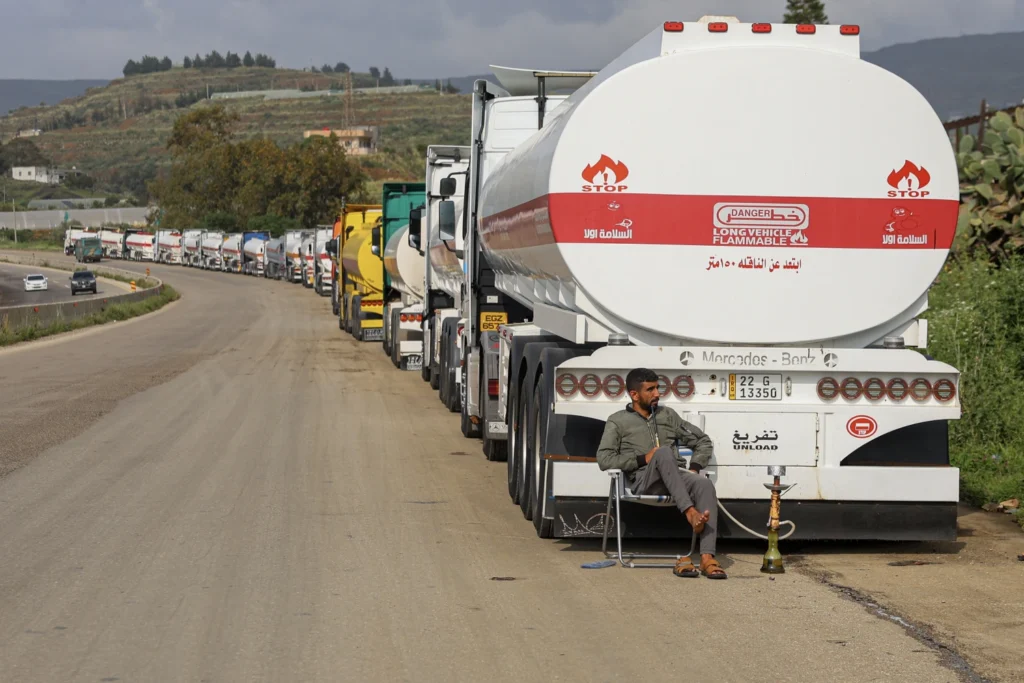
Oil markets moved more sharply.
West Texas Intermediate climbed more than 4%, pushing prices to roughly $87 a barrel. That leaves U.S. crude more than 30% higher than before the conflict began.
The rebound follows a dramatic drop just days earlier, when Iran briefly signaled the waterway was fully open. That announcement had triggered a global rally in stocks and a sharp fall in oil prices.
Now, that optimism is fading.
Ceasefire at risk ahead of deadline
The ceasefire between the United States and Iran is set to expire within days, and prospects for renewal remain unclear.
An Iranian government spokesperson said there are currently no plans for a new round of talks, raising doubts about a diplomatic breakthrough.
At the same time, military tensions are rising. U.S. forces seized an Iran-linked vessel in the Gulf of Oman, while commercial ships have reported attacks in the region.
The U.S. naval blockade of Iranian ports remains in place, adding pressure on Tehran and complicating negotiations.
Markets react to shifting signals
Financial markets have been highly sensitive to every development in the conflict.
Since late March, stocks have largely recovered on hopes that both sides would avoid a worst-case scenario. But repeated reversals—like the one seen Monday—highlight how fragile that optimism remains.
Investors are watching closely for:
- Any sign of renewed negotiations
- Changes to the blockade
- Stability in shipping through Hormuz
Why Hormuz still drives global markets
The International Energy Agency has described the disruption as one of the most severe oil supply shocks in history.
That’s because the Strait of Hormuz handles roughly 20% of global oil and gas shipments.
Any threat to that flow quickly impacts:
- Energy prices
- Inflation
- Global economic growth
A market caught between hope and risk
For now, markets remain caught between two competing narratives.
On one side, the possibility of diplomacy and a longer ceasefire. On the other, the risk of renewed conflict and deeper supply disruptions.
With the deadline approaching, traders are bracing for more volatility—and potentially sharper moves in both stocks and oil.
Author: Staff Writer | Edited for WTFwire.com | SOURCE: ABC News
: 12