Strait of Hormuz oil prices push US inflation higher

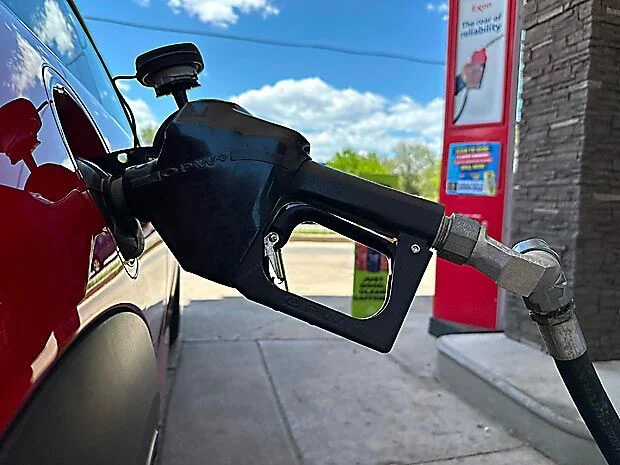
US households and businesses are feeling the impact of rising energy costs as tensions in the Strait of Hormuz continue to disrupt global oil flows. As a result, inflation in the United States has climbed above 4%, adding fresh pressure to already strained family budgets.
Energy markets reacted quickly to supply uncertainty. Because the Strait of Hormuz handles roughly a fifth of the world’s oil shipments, even short disruptions create immediate price shocks. Consequently, gasoline prices have surged, pulling inflation higher across multiple sectors.
Fuel prices drive inflation surge
Rising oil prices have directly increased costs at the pump. Gasoline prices jumped sharply in recent weeks, moving from just over $4 per gallon to nearly $4.50 in some periods. Although prices later eased slightly, they remain elevated compared with earlier this year.
Moreover, higher fuel costs have spread beyond transportation. Airlines, shipping companies, and retailers have all faced increased expenses. In turn, many businesses have passed those costs on to consumers, reinforcing inflationary pressure.
Households and businesses feel the squeeze
As inflation rises, American consumers are adjusting their behavior. Many households are reducing discretionary spending, while others are cutting back on fuel usage or switching to cheaper goods. At the same time, credit card debt and savings withdrawals are increasing.
Small businesses are also under strain. Higher shipping and operating costs are forcing some companies to reduce staff hours or raise prices. However, demand has softened as customers become more price-sensitive, creating a difficult balance for retailers.
Federal Reserve faces policy challenge
The Federal Reserve now faces a more complicated economic environment. While core inflation remains relatively stable, energy-driven price increases are pushing overall inflation higher. This makes it harder for policymakers to consider rate cuts in the near term.
Instead, expectations are shifting toward a longer period of high interest rates. If oil prices remain elevated, the Fed may even consider additional tightening to prevent inflation from becoming entrenched.
Geopolitical tensions remain the key risk
Despite intermittent diplomatic efforts, uncertainty in the region continues to dominate markets. Any escalation in the Strait of Hormuz could further restrict oil supply and trigger another spike in global energy prices.
However, if tensions ease and shipping routes stabilize, analysts expect some relief in fuel costs. In that case, inflation could gradually cool in the coming months.
For now, energy markets remain highly sensitive to geopolitical developments, and the Strait of Hormuz continues to play a central role in shaping global economic stability.
Author: Staff Writer | Edited for WTFwire.com | SOURCE: AP News
: 293