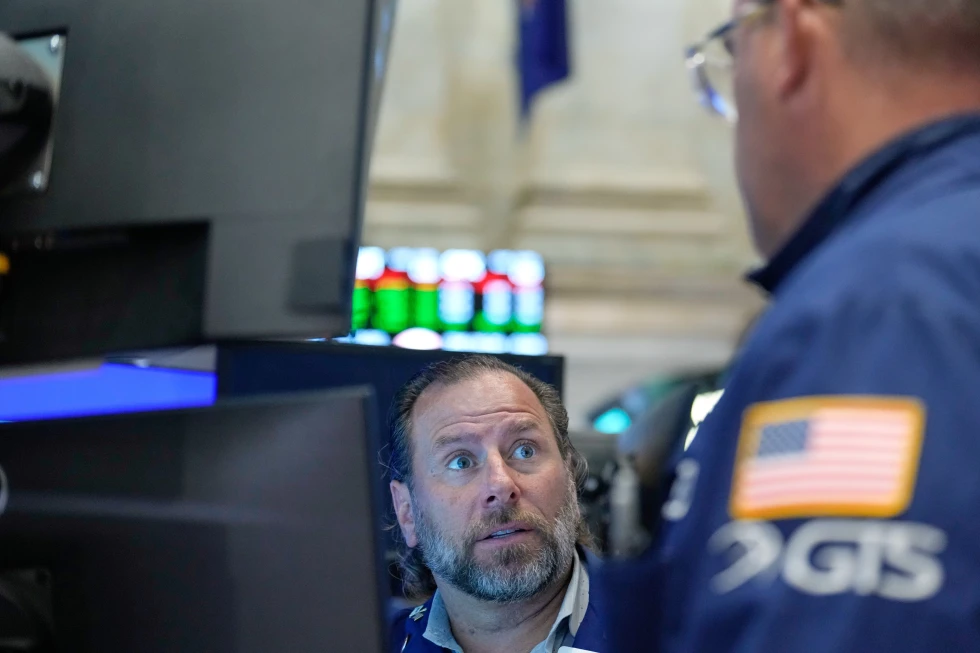
US consumers cut discretionary spending as gas prices reshape shopping habits


US consumer spending trends gas prices are showing a clear shift in how Americans shop, travel, and manage household budgets as fuel costs rise and inflation pressures persist.
Retailers across the United States are reporting that consumers are not stopping spending altogether, but they are becoming more selective, especially when it comes to nonessential purchases and daily routines tied to transportation and food.
Gas prices drive changes in consumer behavior
Executives from major retailers including Walmart, McDonald’s, and Dollar General say shoppers are adapting their habits rather than cutting spending entirely.
One of the most visible changes is happening at the pump. More consumers are stopping at warehouse club stations like Costco and Sam’s Club, where fuel is typically cheaper, and filling up less than before.
Walmart executives noted that customers are now averaging less than 10 gallons per visit for the first time since 2022, signaling financial pressure among households.
“Topping up” replaces full tanks
Instead of filling their tanks completely, many drivers are now “topping up” more frequently, a shift that reflects uncertainty about future gas prices.
Costco has also seen increased fuel traffic as members try to reduce costs and time their purchases more strategically.
At the same time, convenience stores—traditionally dominant in fuel sales—are losing ground, with industry data showing a sharp decline in both pump transactions and in-store purchases.
Retail and restaurant spending under pressure
The impact of higher fuel prices is spreading beyond gas stations. Retailers are seeing fewer visits to clothing, furniture, and home goods stores as consumers prioritize essentials.
McDonald’s leadership has noted that lower-income households in particular are pulling back on fast-food spending as fuel and food prices rise together.
Economic analysts say that higher gas prices often act as a “catalyst,” reducing disposable income available for discretionary purchases.
Shift toward value-based shopping
Consumers are increasingly turning to value-focused retailers such as warehouse clubs, dollar stores, and supercenters.
Data analytics firms tracking foot traffic report rising visits to grocery stores and discount chains, while apparel, electronics, and home furnishing retailers are seeing declining traffic.
Between late April and May, non-grocery retail sales dropped significantly compared to the previous year, with housewares, clothing, and footwear among the hardest-hit categories.
Consumers adjust daily routines
Households are also changing how they shop. Some are planning fuel stops around grocery trips or membership warehouse stores to save money.
Others are shifting grocery habits, buying in bulk, sticking more closely to shopping lists, and reducing impulse purchases.
Even small lifestyle changes—like reducing convenience food purchases or switching to cheaper grocery formats—are becoming more common as budgets tighten.
Economic pressure builds beneath “resilient” spending
While overall consumer spending has not collapsed, economists warn that underlying stress is growing. Much of the recent spending has been supported by temporary factors like tax refunds.
As those effects fade, analysts expect broader cutbacks in discretionary spending across income groups.
Retail executives say the combined impact of fuel costs, food inflation, and other rising expenses is gradually reshaping how Americans allocate their money.
The US consumer spending trends gas prices story reflects a subtle but important shift: Americans are still spending, but they are spending differently—prioritizing value, cutting extras, and adjusting everyday routines to manage rising costs.
Author: Staff Writer | Edited for WTFwire.com | SOURCE: AP News
: 433