US Revokes Iran Oil License After Strait of Hormuz Tanker Attacks

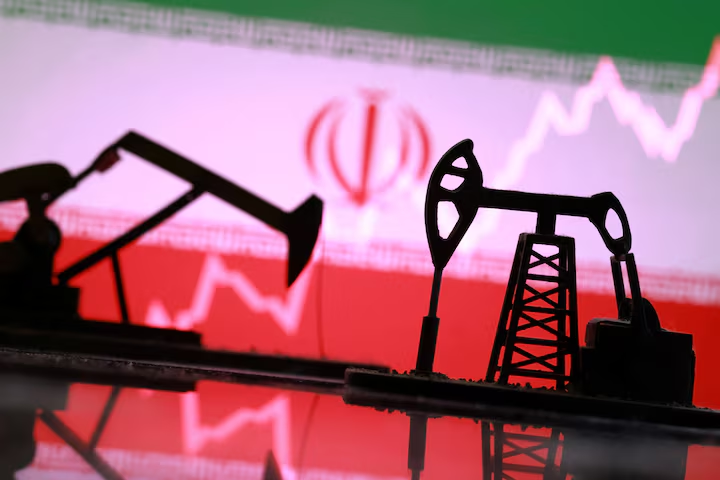
The United States revoked a general license authorizing the sale of Iranian oil on Tuesday, hours after three commercial tankers were struck by projectiles in and near the Strait of Hormuz — a move that sent oil prices surging more than 5% and threatened to derail fragile diplomatic negotiations between Washington and Tehran.
License Revoked, Wind-Down Period Until July 17
The US Treasury Department announced it was canceling the general license that had permitted Iranian oil transactions as part of an interim ceasefire arrangement, while allowing a wind-down period through July 17 for existing deals to be completed. A US official described Iran’s actions in the strait as “wholly unacceptable” and said they would be met with consequences, though the same official stressed that American negotiators continue working in good faith toward a final agreement with Iran.
A separate US official, speaking on condition of anonymity, said initial indications were that Iran had fired on three commercial vessels operating in or near the strait.
Iran offered no immediate comment and no official claim of responsibility for the tanker strikes.
Oil Prices Jump on Escalation Fears
Oil markets reacted sharply to the announcement. Brent crude rose more than 5% as traders priced in the risk of renewed disruption to one of the world’s most critical energy chokepoints. The Strait of Hormuz, a narrow waterway between Iran and Oman, handles roughly one-fifth of global oil consumption and large volumes of liquefied natural gas shipments daily. Any prolonged disruption would amplify pressure on consumers and governments already contending with elevated fuel costs.
Diplomacy at Risk as Escalation Cycle Resumes
The US revokes Iran oil license move comes at a particularly sensitive moment. Both sides had been working toward a broader agreement that would include limits on Iran’s nuclear program in exchange for relief from oil export restrictions and other sanctions. The tanker attacks and Washington’s punitive response now threaten to put that fragile understanding on unstable footing, raising the risk that further retaliation from either side could collapse the negotiations entirely.
Oil exports are a critical revenue source for Iran, generating billions of dollars in hard currency that fund government spending and support an economy weakened by years of US-led sanctions. Despite those restrictions, Tehran has managed to expand shipments in recent years — primarily to China — making oil sales one of the country’s most important economic lifelines. Any renewed effort to curtail those exports could place additional strain on Iran’s finances and its ability to sustain domestic programs and regional activities.
Author: Staff Writer | Edited for WTFwire.com | SOURCE: Reuters
: 317