Largest Autism Protein Map Yet Points to New Therapies

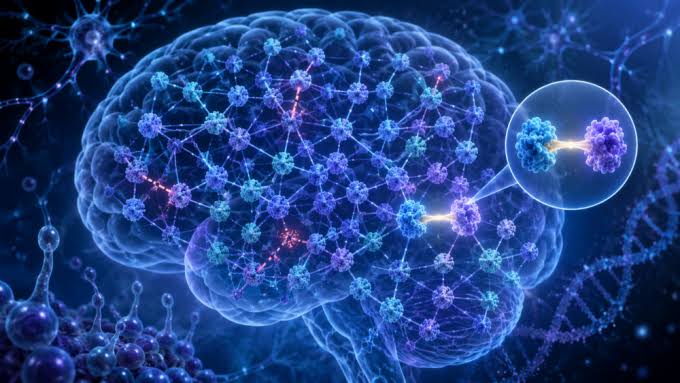
Scientists have built the largest autism protein map to date, offering a molecular blueprint that could guide the development of targeted therapies for the condition.
AI and lab-grown brains reveal a wiring diagram
Using artificial intelligence and data from tiny lab-grown brains, researchers mapped how genetic mutations linked to autism rewire protein interactions in the developing brain. The findings, published Thursday in the journal Science, identify more than 1,800 protein-protein interactions tied to autism, 87% of which had never been documented before.
“You need this insight to ultimately develop drugs, and we’ve generated a map now that is providing essentially the molecular underpinnings of autism and pointing us in a multitude of different directions for ultimate drug discovery,” said study author Dr. Nevan Krogan, a professor at the University of California, San Francisco and senior investigator at the Gladstone Institutes.
A parts list becomes a wiring diagram
More than 250 genes have been linked to autism spectrum disorder, making a single genetic treatment target nearly impossible to find. The new study instead shows how many of those mutations physically connect and rewire protein interactions, offering a shared target instead of hundreds of separate ones.
“When you have the genes and the mutations, that’s just a list. That’s a parts list,” said Krogan, who also directs UCSF’s Quantitative Biosciences Institute. “What you need to do is have a wiring diagram of that parts list, and that’s where you need to go to the proteins and understand how the proteins talk to one another.” He said his team already has three therapy development programs underway based on the findings.
To build the map, researchers used the AI system AlphaFold to prioritize key mutations, which were then studied in lab-grown brain organoids. Krogan called it the largest map ever built for autism and the largest mutant map ever generated for any disease.
Outside experts call it a milestone
Fikri Birey, an assistant professor of human genetics at Emory University School of Medicine who was not involved in the study, called it “the most systematic protein-level view of autism risk we’ve had to date.” He said the findings could eventually let researchers target drugs at disrupted protein complexes rather than correcting each individual mutation.
Alison Singer, president of the Autism Science Foundation, called the study “nothing short of a huge watershed moment for autism science,” noting that shared biological pathways could open therapeutic doors for autistic people without an identified genetic cause. Dr. Andy Shih, chief science officer at Autism Speaks, called the findings exciting but cautioned that “translating these kinds of discoveries into therapies is a long process.”
Findings apply most directly to profound autism
Krogan said the map is most directly relevant to people with profound autism, who make up about 30% of those with autism spectrum disorder and often require round-the-clock care. He added that the protein-interaction findings could also inform research into other neuropsychiatric conditions, including schizophrenia, obsessive-compulsive disorder and tic disorders, as well as diseases such as cancer.
Federal autism research policy adds uncertainty
The study arrives as autism research policy draws new attention under the Trump administration’s Department of Health and Human Services, where the Interagency Autism Coordinating Committee is set to vote Thursday on a new draft strategic plan for autism research.
Singer said she isn’t convinced the plan will boost research into biological targets like those identified in the new study, warning that it “deemphasizes genetics, neurodevelopment, and brain biology in favor of a broad injury model that is not consistent with the direction of contemporary autism science.” Shih, however, said he expects the plan to include more research into genetic factors, citing “significant interest in understanding developmental trajectories” within the committee’s approach.
Author: Staff Writer | Edited for WTFwire.com | SOURCE: CNN News
: 287