Hezbollah rejects Lebanon-Israel talks in US

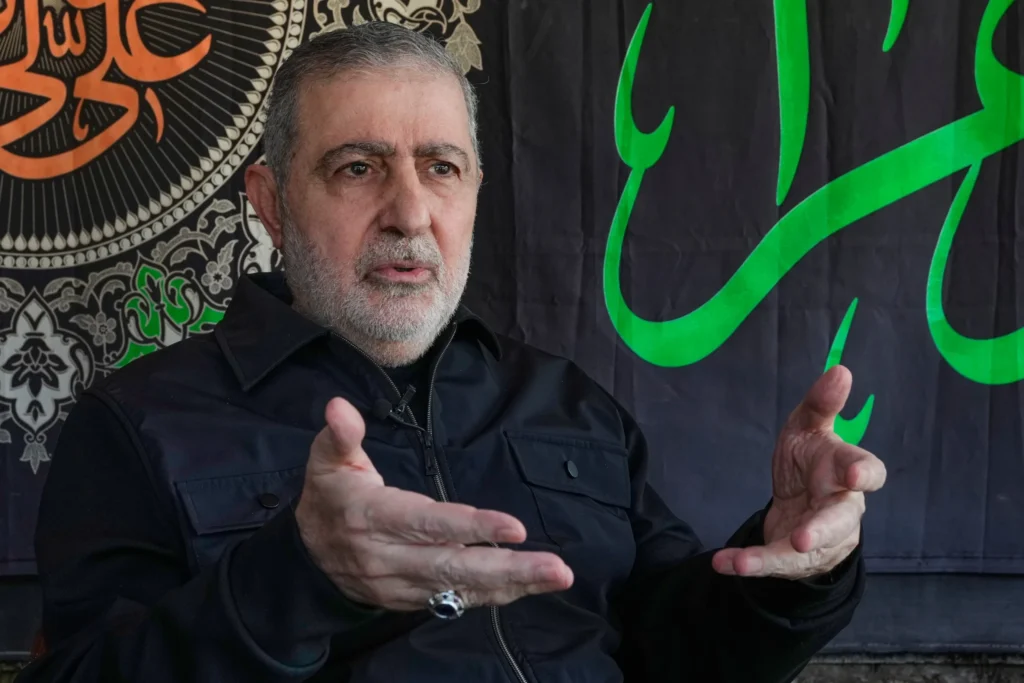
A senior official from Hezbollah said Monday that the group will not recognize or abide by any agreements emerging from planned talks between Lebanon and Israel in the United States, casting doubt on efforts to stabilize the region.
The remarks, delivered by Wafiq Safa, a high-ranking member of Hezbollah’s political council, come just ahead of what would be the first direct meeting in decades between Lebanese and Israeli representatives.
“We are not bound by what they agree to,” Safa said, dismissing the significance of the negotiations.
Talks face immediate resistance
The planned discussions in Washington are seen as a potential step toward a ceasefire in the ongoing Israel-Hezbollah war. Israeli Prime Minister Benjamin Netanyahu has framed the talks as a pathway to disarm Hezbollah and possibly normalize relations between the two countries.
However, Hezbollah’s rejection signals a major obstacle, as the group remains a central military and political force in Lebanon.
The stance also reflects broader tensions over whether Lebanon should be included in wider negotiations tied to the Iran war. While Tehran has pushed for that inclusion, both the U.S. and Israel have resisted.
Conflict continues despite ceasefire efforts
The diplomatic push comes amid a fragile regional ceasefire that has struggled to hold.
Hours after a U.S.-Iran truce was announced last week, Israel launched extensive airstrikes across Beirut and other parts of Lebanon. While attacks on the capital have since eased, heavy fighting continues in southern areas.
Since the latest escalation began in early March, the conflict has displaced more than one million people in Lebanon and killed over 2,000, according to local authorities.
Hezbollah defends role in war
Hezbollah entered the conflict shortly after the outbreak of the Iran war, launching missile attacks into Israel. The group argues its actions were preemptive, claiming Israel was preparing a broader offensive.
Safa denied that Hezbollah coordinated its entry into the war with Iran, but emphasized that the group aims to restore deterrence against Israel.
He also disputed Israeli claims about the targets of recent strikes in Beirut, insisting that those killed in the capital were civilians.
Internal tensions in Lebanon
The crisis has deepened divisions داخل Lebanon’s political system. The government has moved to restrict non-state weapons and declared Hezbollah’s armed wing illegal earlier this year.
Despite that, Hezbollah remains influential within Lebanon’s political structure. Communication between the group and the government is ongoing, though indirect.
Safa indicated that Hezbollah could consider discussions about its weapons — but only after a ceasefire and a full Israeli withdrawal from Lebanese territory.
For now, the group’s rejection of the negotiations underscores how fragile the diplomatic path remains. As the Hezbollah rejects Lebanon Israel talks stance hardens, prospects for a lasting agreement appear increasingly uncertain.
Author: Staff Writer | Edited for WTFwire.com | SOURCE: AP News
: 224