Trump Rejects Iran Deal Leak Claims as Peace Talks Near Breakthrough


President Donald Trump on Friday accused Iran of leaking inaccurate details about a potential agreement to end the ongoing conflict, dismissing reports published by Iranian media as false and misleading.
The dispute emerged just as negotiators appeared closer than ever to securing a deal aimed at ending months of hostilities that began with U.S. and Israeli strikes on Iran in late February.
“Iran is leaking information that has nothing to do with the terms that were agreed to,” Trump said, adding that the reported details “bear no relation to the truth.” The president also criticized Tehran’s negotiating approach, calling Iranian officials “very dishonorable people to deal with” and urging them to “get their act together, and FAST.”
Conflicting Narratives Emerge
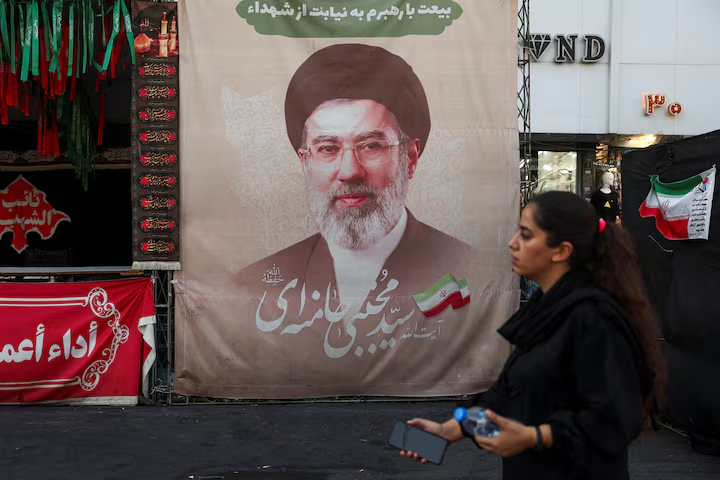
Trump’s comments came after Iranian media outlets published what they claimed were details of a draft agreement between Washington and Tehran.
According to the reports, the proposed deal would include the lifting of the U.S. naval blockade, the release of frozen Iranian assets, and financial assistance worth hundreds of billions of dollars to help rebuild Iran following months of conflict.
The reported terms closely reflected demands that Iranian officials have publicly outlined throughout negotiations. However, many of those conditions have previously been rejected by the United States.
Iranian Foreign Minister Abbas Araghchi attempted to lower expectations while signaling progress, saying a deal had “never been closer” but cautioning against speculation about its contents.
Washington Pushes Back
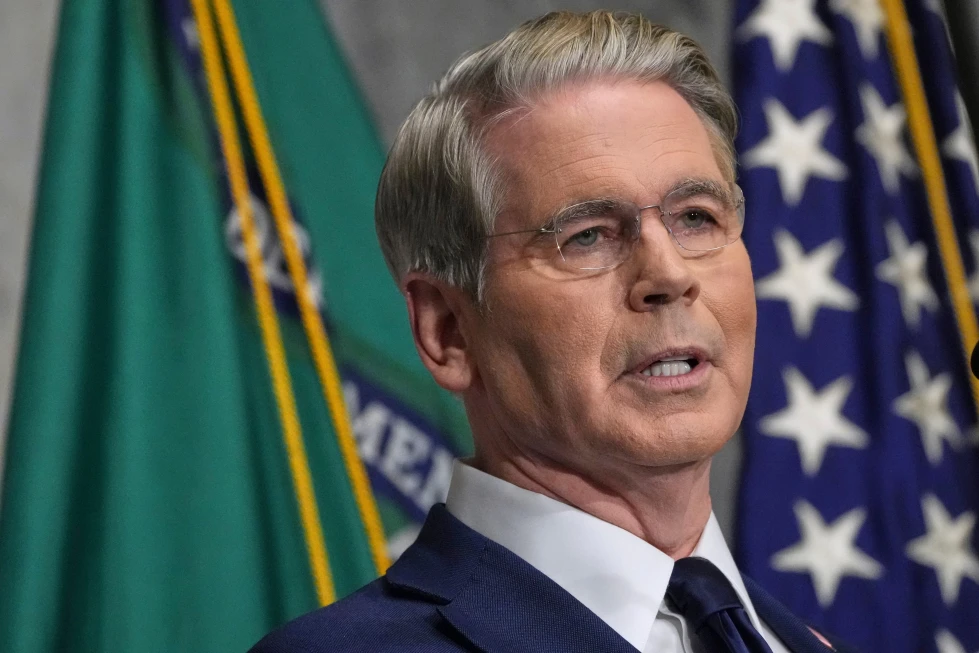
Senior U.S. officials quickly challenged the reports, insisting that any agreement would require Iran to meet significant conditions before receiving any economic benefits.
According to a senior administration official, the framework under discussion would require Iran to dismantle key elements of its nuclear program, remove sensitive nuclear material, reopen the Strait of Hormuz to international shipping, and halt support for militant groups across the Middle East.
Vice President JD Vance also rejected claims that Iran would immediately receive cash or access to frozen funds.
“Iranians are not receiving any cash, and no funds are being released for simply signing a deal or attending a meeting,” Vance wrote on social media.
He added that any economic benefits would only follow after Iran fulfills its obligations under the agreement.
Peace Deal Remains Elusive
Despite growing optimism from both sides, major disagreements continue to separate Washington and Tehran.
Iran has demanded sanctions relief, the release of frozen assets, recognition of its role in the Strait of Hormuz, and progress toward ending hostilities involving Hezbollah in Lebanon. The United States, meanwhile, remains focused on limiting Iran’s nuclear capabilities and reducing its influence through regional proxy groups.
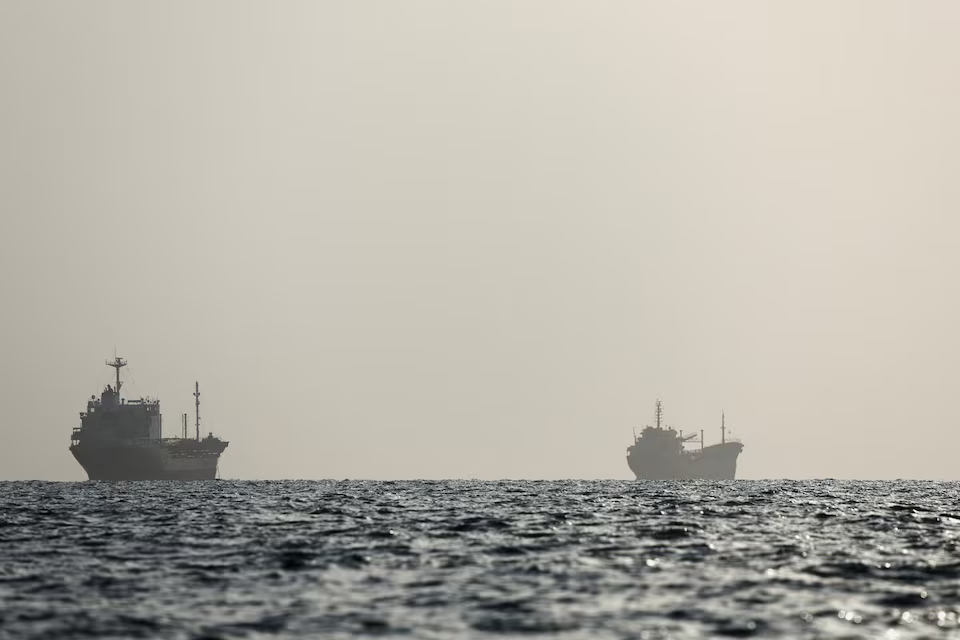
The conflict has already had global consequences. Iran’s restrictions on traffic through the Strait of Hormuz have disrupted energy markets and contributed to rising oil prices worldwide. Although a ceasefire was reached in April, intermittent exchanges of fire have continued, including two rounds of strikes this week.
Negotiations Continue
The talks, largely mediated by Pakistan, are designed to transform the current ceasefire into a broader political settlement and create a framework for future discussions on Iran’s nuclear program and regional security issues.
While both Washington and Tehran insist progress is being made, Friday’s public disagreement highlights the deep mistrust that still exists between the two sides.
For now, negotiators appear to be moving closer to an agreement, but conflicting accounts of what that deal would actually include suggest that several difficult hurdles remain before any final accord can be signed.
Author: Staff Writer | Edited for WTFwire.com | SOURCE: BBC News
: 224