Wildfires More Extreme in the West as Global Burning Hits Record Low

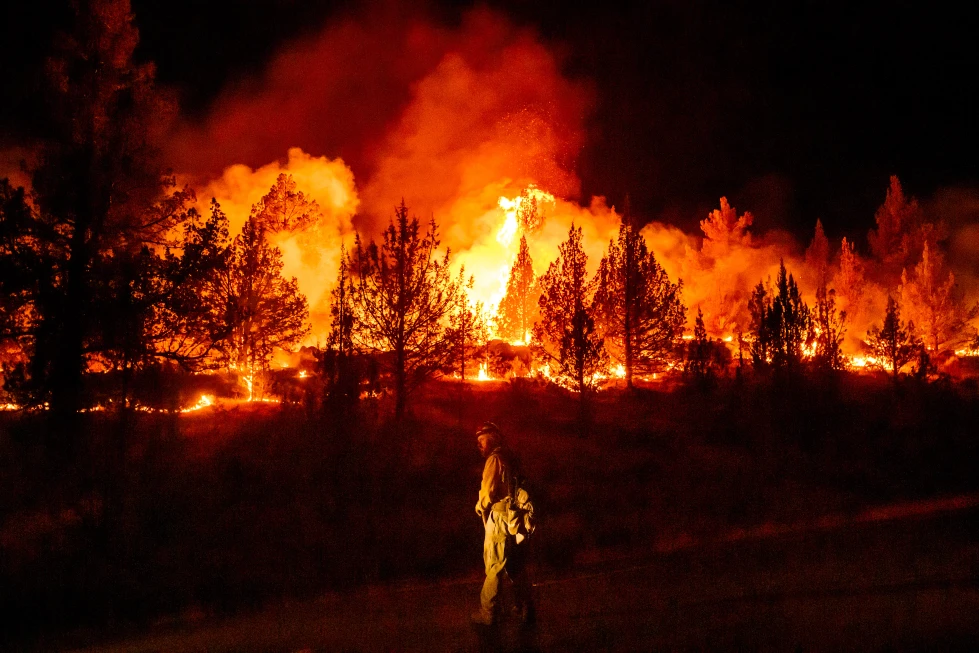
It can seem like the world is ablaze this summer. Wildfires in North America and Europe are growing more extreme in size, intensity, and frequency — and yet global fire statistics have hit a record low. Both trends are true, and experts say they reflect opposite sides of the same coin: what humanity is doing to the planet.
The Paradox Explained
“It does seem like a paradox because we’re talking increases in fires, yet the global numbers have been going down and down. But they’re both true,” said fire scientist Mike Flannigan of Thompson Rivers University in Canada.
The explanation lies in geography. Wildfires in North America and Europe are worsening due to climate change — hotter, drier conditions driven by fossil fuel burning create increasingly dangerous fire weather. But fires in Africa and Asia, which historically dominate global fire activity, have declined sharply due to changing agricultural practices, better fire management, and population shifts that have reduced traditional savanna burning.
The European climate center Copernicus reported that the world entered July 2026 with record low global emissions from burning — roughly half the levels measured in the early 2000s, and the lowest since satellite monitoring began nearly 25 years ago.
Africa Drives the Global Numbers Down
More than three-quarters of global plant-material burning emissions historically originate in Africa and Asia, Copernicus data shows. Less than one-eighth comes from North America and Europe combined. Sub-Saharan Africa’s massive grassland fires have declined dramatically over the past 25 years as more land has shifted to housing and agriculture — creating physical barriers that limit how far fires can spread.
“Africa dominates the global fire activity,” said UCLA fire scientist Park Williams. “So if there’s a trend in Africa, then that’s going to be the trend in the global fire activity.” In Asia and the Amazon, where fire is also used to clear land, demographic and land-use changes are similarly reducing overall burning. “It really is all driven by human demographic change,” Williams said.
Climate Change Accelerates Fires in North America and Europe
While human land use is calming fires in the Global South, climate change is intensifying them across the West. In Canada and the United States this summer, land burned by wildfires is at least 25% above the 10-year average and more than double what it was decades ago, according to national wildfire centers. Spain’s ongoing wildfire is the country’s largest on record at more than 193 square miles — nearly 500 square kilometers — while European fire totals are approaching 2025’s all-time high.
Fire scientists described a compounding set of climate-driven pressures. Hotter temperatures dry out vegetation, making it easier to ignite. Warmer nights — once a time when forests and firefighters could recover — no longer provide the same respite. “We have our foot on the gas pedal for bigger fires, but we also have lost the brakes on fire,” said University of Colorado fire scientist Jennifer Balch.
The fire season itself has lengthened significantly, especially in northern forests where conditions previously permitted only a few dangerous fire days a year. “Now there are a lot more,” said Flannigan. Climate change also increases atmospheric moisture demand, pulling more water from the soil and leaving landscapes increasingly parched.
El Niño Could Make Things Worse
Fire conditions are likely to deteriorate further in coming months with the development of a strong El Niño pattern. The weather phenomenon typically fuels more dangerous fires in tropical regions — the Amazon, Southeast Asia, and the Western Pacific — though it can bring more rain to the US West, reducing direct fire risk there while potentially stimulating grass growth in desert areas that adds fuel for future blazes.
“The most predictable outcome of El Nino is going to be more tropical fire, specifically tropical forests,” Williams said. South American governments are already preparing.
The Path Forward
Fire experts said that regardless of El Niño, communities across North America and Europe must invest in better planning and adaptation — including prescribed burns to reduce fuel loads before conditions become catastrophic. North America’s long tradition of fire suppression is increasingly insufficient as climate change makes fires more intense and frequent.
“It’s not a question of whether our landscapes are going to burn,” Balch said. “It’s the question of when they’re going to burn.”
Author: Staff Writer | Edited for WTFwire.com | SOURCE: AP News
: 126