Iran to Get Chinese MANPADS Within Weeks in $70M Arms Deal

Iran is expected to receive an initial shipment of up to 400 Chinese-made shoulder-fired air-defense missile launchers within weeks, three sources familiar with the deal told Reuters, in one of Tehran’s largest known efforts to rebuild short-range air defenses since the outbreak of its war with the United States and Israel.
Contract Details and Delivery Plan
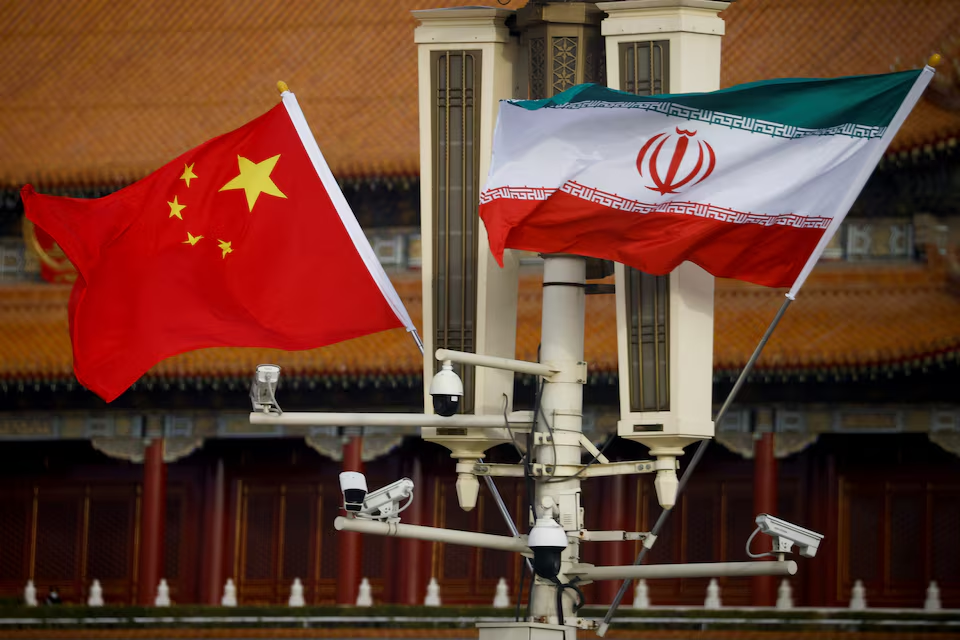
The purchase, valued at between $60 million and $70 million, covers 300 to 400 man-portable air-defense systems — known as MANPADS — including Chinese-made QW-12 and FN-16 infrared-guided surface-to-air missiles. The deal was signed with Zhongqing Baoshang International Investment, a Hong Kong-based intermediary acting between the Iranian side and a Chinese supplier. Sources spoke on condition of anonymity because of the sensitivity of the matter.
Under the agreed delivery plan, initial shipments would travel by air from Urumqi in western China, then transit through Pakistan into Iran. Pakistan’s military public relations wing flatly denied involvement, saying reports of Pakistan being implicated in the transfer were “absolutely concocted and false.” China’s Foreign Ministry also denied the existence of the deal, calling the reports “completely groundless.”
Sources cautioned that while the contract has been signed, delivery schedules, quantities, and other implementation details remain subject to change.
Why Iran Needs These Weapons
The Iran China MANPADS missiles arms deal QW-12 procurement fills a critical gap exposed by months of US and Israeli strikes that targeted facilities linked to Iran’s missile, drone, and air-defense programs. The conflict highlighted the vulnerability of fixed military and strategic sites to advanced aircraft and precision-guided munitions.
MANPADS address that vulnerability specifically because they are mobile, can be operated by small teams, and can be quickly dispersed and relocated — making them far less exposed than fixed air-defense batteries. Defense analysts regard the QW-12 as less capable than newer Chinese variants such as the QW-18 and QW-19, but say it can still provide effective short-range protection against drones and low-flying aircraft.
A European security source told Reuters that authorities in their country were aware of several contracts under discussion involving possible QW-series sales to Iran, including the QW-12, QW-18, and QW-19 systems. A second source in the Middle East said Iran had been seeking QW-12 and QW-18 missiles but was not aware a deal had been finalized.
Broader Chinese Arms Ties With Iran
The weapons deal underscores deepening military ties between Beijing and Tehran despite years of international sanctions restricting Iranian defense imports. Reuters previously reported that Iran was close to securing a separate agreement with China to acquire anti-ship cruise missiles, though it could not confirm whether that deal was finalized.
Western intelligence sources and an Iranian official said Tehran has also explored overland supply routes through which Chinese military supplies and dual-use components could be moved more discreetly, reducing the risk of interception or disruption.
The US abruptly suspended two weeks of sustained bombardment against Iran on Saturday, but President Donald Trump warned that strikes would resume if negotiations failed to produce a lasting end to the five-month-old conflict, which has been nominally under a ceasefire arrangement since April.
Author: Staff Writer | Edited for WTFwire.com | SOURCE: Reuters
: 285