Israel Strikes South Lebanon After Beirut Ceasefire Warning Raises Fears of Escalation

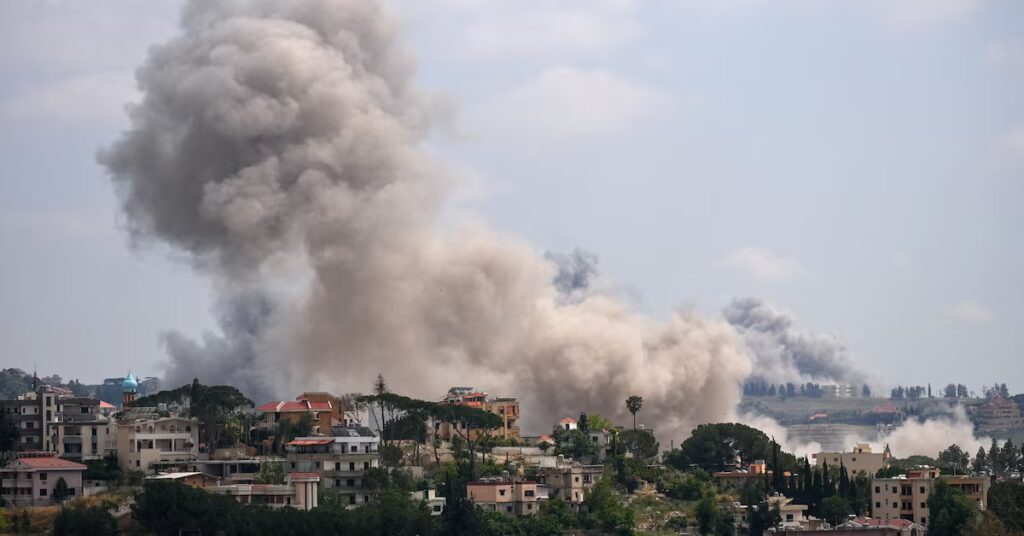
Israeli forces continued military operations in southern Lebanon on Tuesday, intensifying the Israel Lebanon strikes campaign even after signals that a planned attack on Beirut would not proceed following U.S. diplomatic intervention.
The strikes mark a continued escalation in the conflict between Israel and Hezbollah, despite ongoing international efforts to contain the violence and stabilize the region.
Israel Lebanon strikes continue despite Beirut de-escalation
The latest wave of Israel Lebanon strikes targeted multiple towns in southern Lebanon, where Israeli air and artillery attacks have been ongoing for months.
The Israeli military also issued evacuation warnings to residents in several areas, signaling further potential operations.
However, reports suggest that a planned strike on Beirut’s southern suburbs was halted after U.S. President Donald Trump urged Israeli Prime Minister Benjamin Netanyahu not to escalate the conflict further.
Diplomatic pressure halts Beirut escalation
Following U.S. intervention, Lebanese officials said Israel would refrain from striking Beirut’s southern districts, an area known as Dahiyah and considered a Hezbollah stronghold.
While this decision temporarily reduced tensions in the capital, it did not stop continued military activity in the south, where the Israel Lebanon strikes remain concentrated.
Hezbollah has reportedly agreed to pause cross-border attacks, but no formal ceasefire agreement has been fully implemented.
Rising tensions along the Israel-Lebanon border
Despite diplomatic efforts, violence along the border continues to escalate. Israeli officials have warned that if attacks on northern Israel resume, they may respond with stronger strikes on Beirut.
Lebanon has seen widespread displacement, with over a million people forced from their homes since the conflict intensified.
Analysts warn that the ongoing Israel Lebanon strikes risk expanding into a broader regional war if diplomatic negotiations fail.
U.S. role in ceasefire talks
Washington has become increasingly involved in efforts to stabilize the situation. U.S.-mediated discussions between Lebanese and Israeli officials are underway, focusing on phased de-escalation measures.
Proposals include localized “pilot ceasefire zones” where military activity would be suspended and Lebanese forces would gradually deploy.
However, major disagreements remain over Hezbollah’s disarmament and the long-term security structure in southern Lebanon.
Humanitarian impact deepens
The ongoing Israel Lebanon strikes have had severe humanitarian consequences. Lebanese health authorities report thousands of deaths and widespread infrastructure damage since the conflict escalated.
Residents in southern Lebanon continue to flee repeated evacuation orders, with many describing constant uncertainty and fear of renewed attacks.
Humanitarian organizations warn that the situation is worsening as displacement continues and essential services collapse.
Although temporary diplomatic intervention has prevented a strike on Beirut for now, the continued Israel Lebanon strikes in the south suggest that the conflict remains highly unstable.
Without a lasting ceasefire agreement, analysts warn that further escalation remains likely, with serious regional consequences.
: 9