Trump says Iran deal ‘all signed’ as Strait of Hormuz reopening fuels global market rally

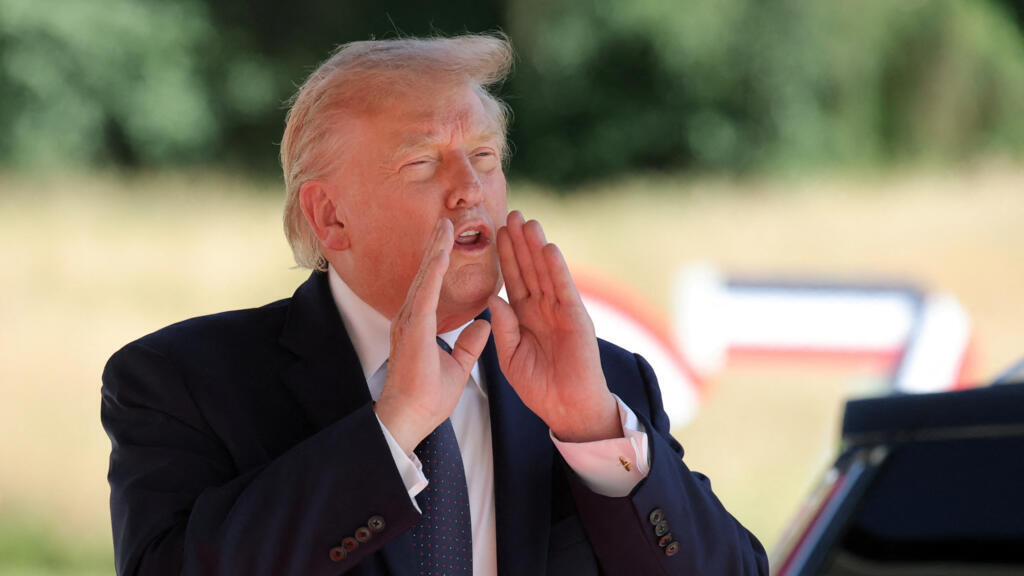
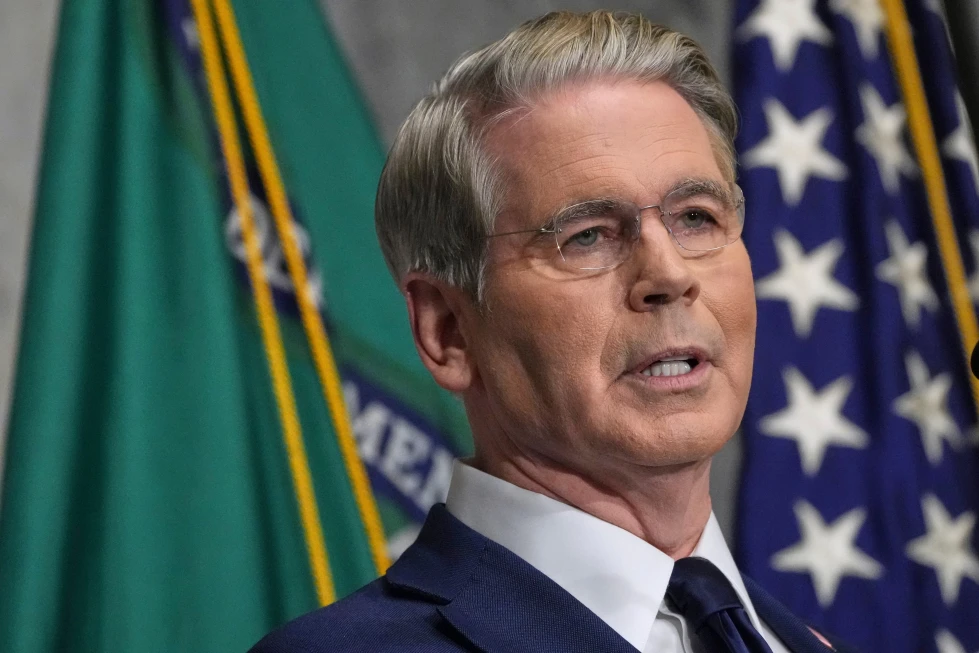
U.S. President Donald Trump said Monday that a memorandum of understanding aimed at ending the Gulf conflict and reopening the Strait of Hormuz has already been signed, marking a potential turning point in a war that has disrupted global energy markets for months.
Speaking shortly after arriving in France for the G7 summit in Évian-les-Bains, Trump said the agreement is complete and that the highly strategic waterway is already “partially opened.” The Strait of Hormuz, which normally carries around 20% of global crude oil shipments, had been heavily restricted during the conflict.
“The deal’s all signed. And the strait is already partially opened,” Trump said, adding that the text of the agreement would be released “sometime after Friday.”
An official signing ceremony is expected later this week in Geneva, according to diplomatic sources cited by Reuters. The agreement reportedly includes a ceasefire framework and a 60-day negotiation period to address unresolved issues, including Iran’s nuclear program.
Markets react as oil prices fall and stocks rise
Financial markets responded immediately to the announcement. Oil prices dropped around 5%, while global stock indexes rallied on expectations that energy flows could gradually normalize.
Brent crude, which had surged during the war, fell sharply as investors anticipated the easing of supply disruptions. In the United States, major indices also climbed as lower energy costs boosted optimism about inflation easing.
Analysts cautioned, however, that the recovery will not be immediate.
Oil flow recovery expected to take months
Despite the deal, energy experts warn that restoring normal oil shipments through the Strait of Hormuz could take weeks or even months.
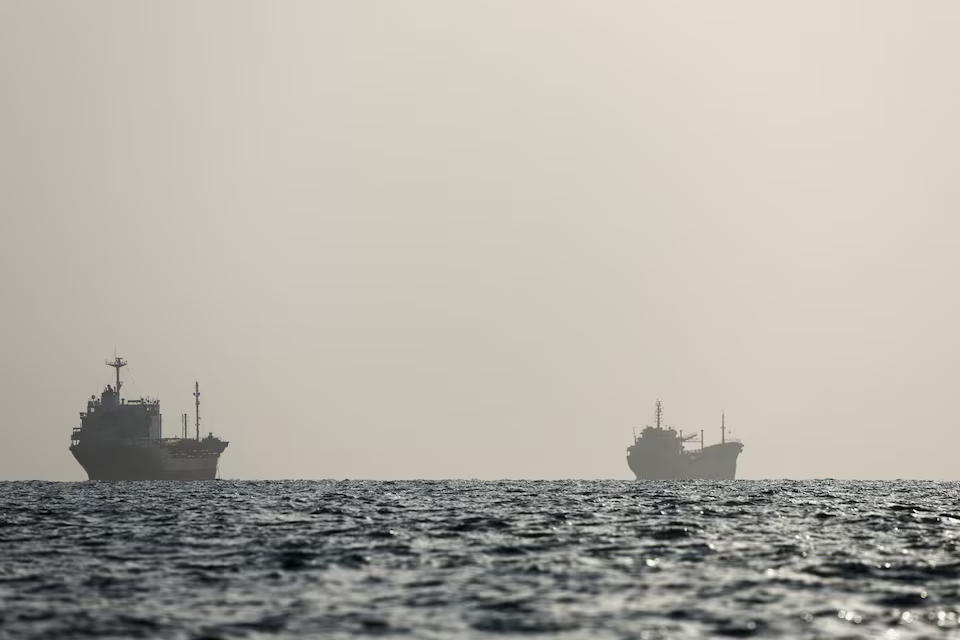
Hundreds of oil tankers remain stranded in the Persian Gulf, and producers across the region will need time to restart operations after shutting in production during the conflict. Insurance and maritime security concerns are also expected to slow the return of commercial shipping.
“It will take time for the energy system to normalize,” industry analysts said, noting that ship captains and operators may wait for clearer security guarantees before resuming full transit through the strait.
Political tensions remain over deal details
While the White House has framed the agreement as a breakthrough, critics in Washington are demanding transparency over its contents. Senate Democratic leaders have called for the full release of the text and clarification on security guarantees and regional commitments.
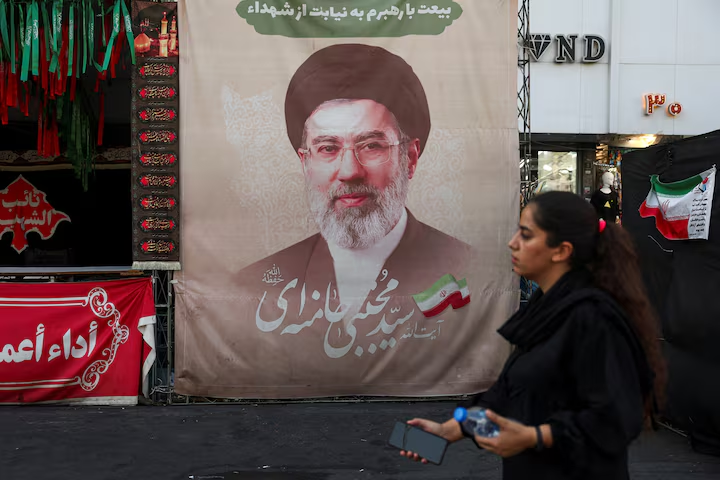
Iranian officials have also signaled that implementation of the deal is contingent on further steps, including a formal cessation of hostilities and continued negotiations on sanctions relief and nuclear restrictions.
Fragile peace amid wider regional instability
The agreement comes amid continued instability in parts of the Middle East, including Lebanon, where cross-border tensions involving Hezbollah and Israel have persisted.
Although the ceasefire has reduced large-scale hostilities, isolated strikes and security incidents continue, underscoring the fragility of the broader peace framework.
Israeli officials have not formally endorsed the agreement, and internal government sources reportedly view the deal with skepticism.
A global economic relief — but not immediate recovery
Economists say the reopening of the Strait of Hormuz could eventually ease inflationary pressure worldwide by stabilizing energy prices. However, they stress that the benefits will take time to materialize.
Oil logistics, shipping routes, and production levels across Gulf countries will require a gradual restart. Some analysts estimate that global energy flows may not return to pre-war levels until later this year.
For now, markets are reacting to optimism — not certainty.
: 163