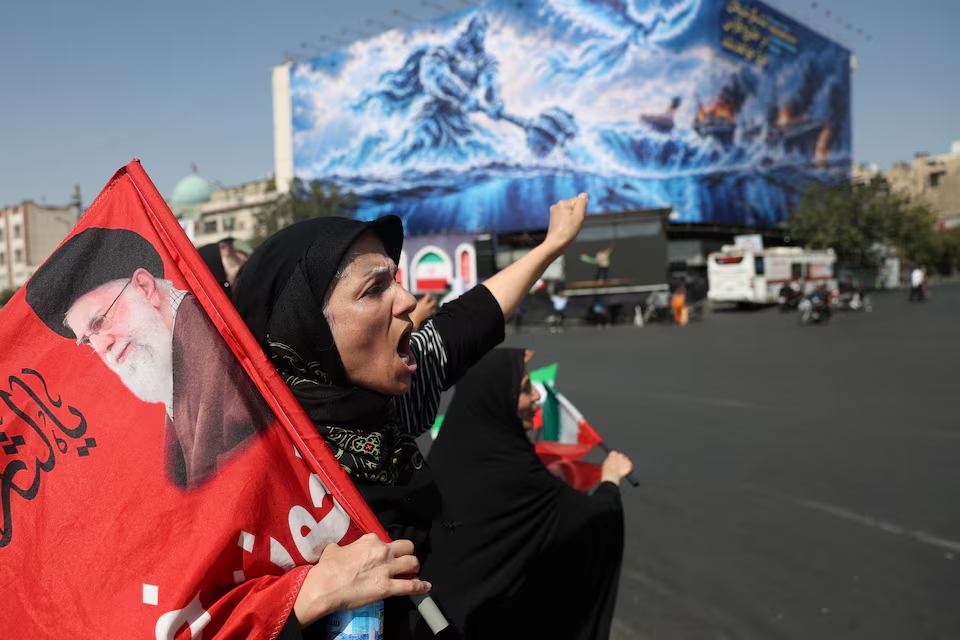
Strait of Hormuz Tensions Rise After Ship Seizure and Attack

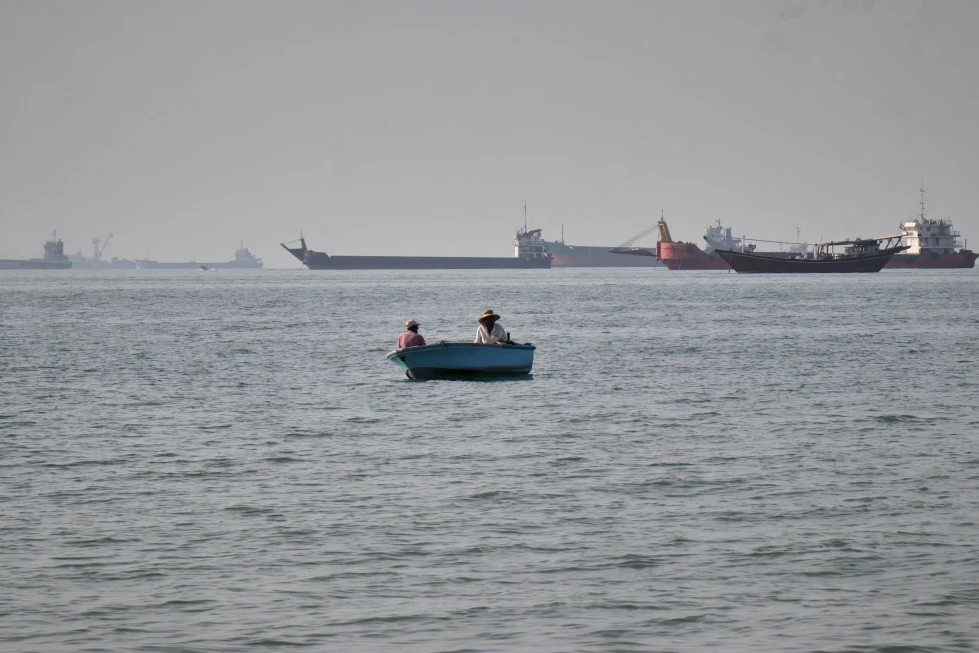
Tensions escalated Thursday near the Strait of Hormuz after one ship was seized near the United Arab Emirates and another cargo vessel sank off the coast of Oman following an attack.
The incidents come as the standoff between the United States and Iran continues disrupting one of the world’s most important oil transit routes.
Ship seized near UAE waters
According to the United Kingdom Maritime Trade Operations center, a vessel anchored northeast of Fujairah was boarded by unauthorized personnel and redirected toward Iranian waters.
The ship was reportedly located about 38 nautical miles from Fujairah, a critical oil export hub that has repeatedly faced security threats during the Iran conflict.
British authorities said they are investigating the seizure, though the vessel’s identity was not immediately disclosed.
Cargo ship sinks off Oman after attack
A separate incident occurred near Oman, where an Indian-flagged cargo ship sank after an attack triggered a fire onboard.
Indian officials said the vessel, identified as the Haji Ali, was traveling from Somalia to Sharjah in the UAE when it came under attack Wednesday.
Officials confirmed:
- All 14 Indian crew members were rescued safely
- Oman’s coast guard conducted the rescue operation
- The ship ultimately sank after the fire spread
India condemned the attack and called continued assaults on commercial shipping “unacceptable,” though it did not identify who carried out the strike.
Hormuz remains central to global energy crisis
The latest incidents highlight the growing instability around the Strait of Hormuz, where roughly one-fifth of the world’s oil supply normally passes.
Since the Iran war began, Tehran’s control over the waterway has disrupted global shipping, driven up oil prices, and intensified inflation worldwide.
The turmoil also coincided with meetings between Donald Trump and Xi Jinping in Beijing.
The White House later stated that both sides agreed the Strait of Hormuz must remain open to international traffic.
China reportedly receives special passage arrangements
Iranian state-linked media reported that Chinese vessels began crossing the strait Wednesday night under newly negotiated Iranian protocols.
According to the reports, Tehran agreed to facilitate passage for several Chinese ships following requests from Chinese diplomats.
The timing coincided with Trump’s arrival in China for high-level talks focused partly on the Middle East crisis.
Iran hardens demands toward the U.S.
Iranian officials also issued new demands ahead of any future negotiations with Washington.
According to Iran’s semiofficial Fars news agency, Tehran wants:
- U.S. reparations for the war
- Recognition of Iranian sovereignty over the Strait of Hormuz
- Additional guarantees before talks resume
Iranian Vice President Mohammadreza Aref said Thursday that the strait “belongs to Iran” and would not be surrendered “at any price.”
Iran defends seizure of tankers
Iranian judiciary spokesperson Asghar Jahangir defended Tehran’s right to seize vessels connected to the United States.
He argued that American actions in the region violate international maritime law.
Iran has already seized several vessels in recent weeks, including the tanker Ocean Koi, which Tehran claimed was interfering with Iranian oil exports.
The United States sanctioned the Ocean Koi earlier this year as part of what it described as Iran’s “shadow fleet” used to transport sanctioned oil.
UAE and Israel tensions add complexity
The incidents also unfolded shortly after Benjamin Netanyahu publicly revealed he had visited the UAE during the ongoing conflict with Iran.
The UAE denied the visit occurred.
Security cooperation between Israel and Gulf states has become increasingly sensitive as tensions with Iran intensify across the region.
Analysts say Gulf governments are attempting to balance security partnerships with Israel while managing domestic criticism over the war in Gaza.
Global markets remain on edge
The instability near the Strait of Hormuz continues alarming global markets because prolonged shipping disruptions could further:
- Raise fuel prices
- Worsen inflation
- Slow global trade
- Deepen energy shortages
Oil markets remain highly volatile as diplomatic negotiations between the U.S. and Iran show little sign of progress.
Author: Staff Writer | Edited for WTFwire.com | SOURCE: AP News
: 335