Iran Considers Limited Deal as U.S. Talks Stall and War Reaches Deadlock

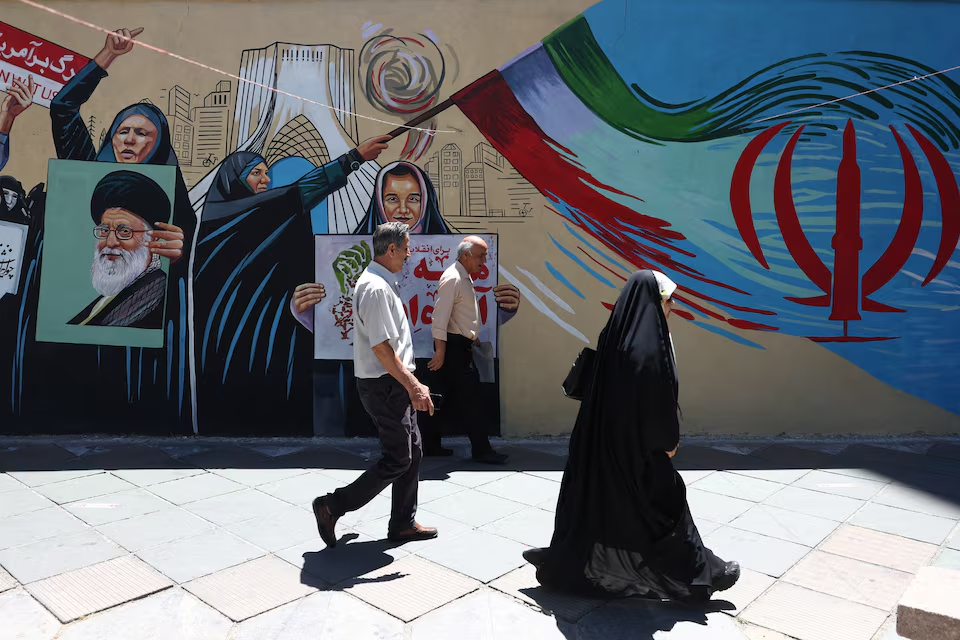
Iran is reviewing a proposed agreement with the United States aimed at de-escalating the ongoing conflict, even as diplomatic communication between the two sides appears to have slowed, according to Iranian media reports.
The development comes after more than three months of war involving the U.S. and Israel, with tensions still high across multiple fronts and no clear breakthrough in negotiations.
Iran nuclear deal negotiations remain uncertain
The latest phase of Iran nuclear deal negotiations reflects deep mistrust between Tehran and Washington, with Iranian officials taking what they describe as a “stern” approach to any potential agreement.
Iran has reportedly not yet responded to the most recent draft proposal and has not engaged in direct communication with U.S. officials for several days.
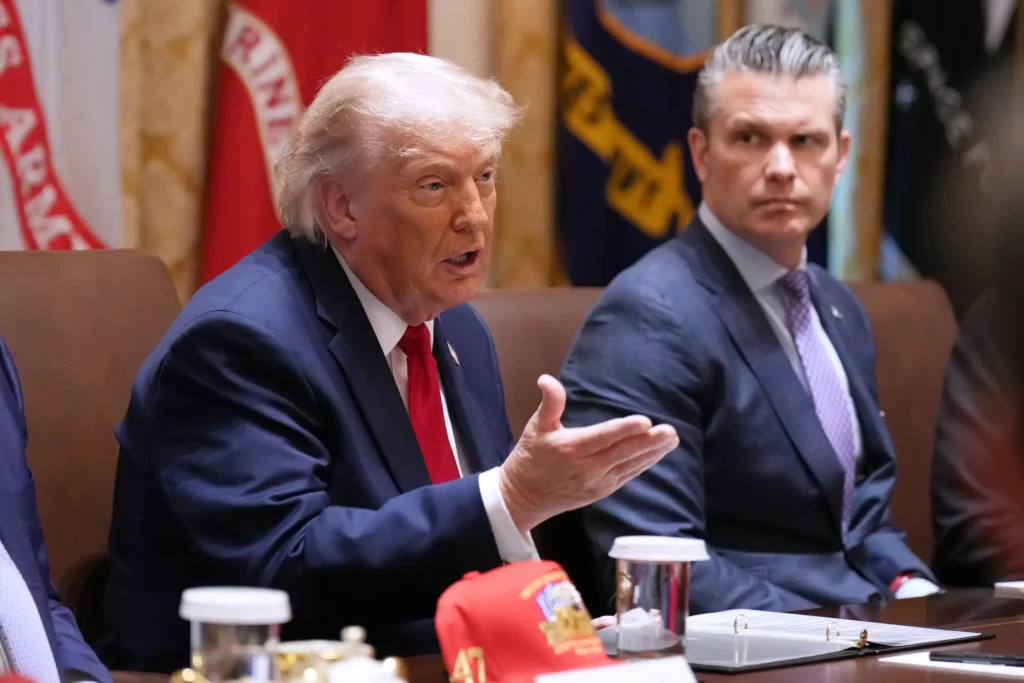
Despite this, former U.S. President Donald Trump has said talks are ongoing and suggested that a deal could be reached soon, particularly around reopening key shipping routes and extending a fragile ceasefire.
Strait of Hormuz remains a central sticking point
A major issue in the Iran nuclear deal negotiations is the status of the Strait of Hormuz, a critical waterway through which a significant portion of global oil supplies pass.
The U.S. has demanded the reopening of the strait as part of any agreement, while Iran continues to maintain leverage over maritime access amid the wider conflict.
The disruption has contributed to global economic pressure, particularly through higher energy and shipping costs.
Iran pushes for limited interim agreement
Sources suggest Iran is seeking a limited, interim version of the deal rather than a comprehensive settlement.
Under this approach, Tehran would aim to reduce economic pressure while avoiding major concessions on its nuclear program.
Reported Iranian demands include partial sanctions relief, access to frozen oil revenues, and broader easing of restrictions on exports.
However, deep disagreements over uranium enrichment and nuclear oversight continue to stall progress in the Iran nuclear deal negotiations.
Regional conflict continues alongside diplomacy
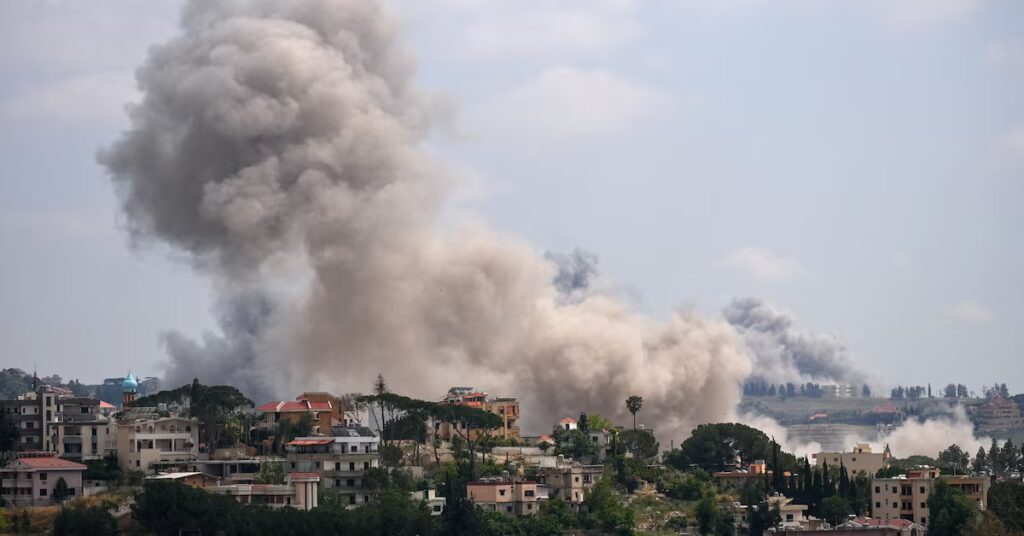
While talks continue, violence in the region has not slowed. Israeli strikes on southern Lebanon have persisted, even after U.S.-mediated efforts to establish partial ceasefires.
The war has already killed thousands and displaced large populations across Lebanon and surrounding areas, adding pressure on international mediators.
Analysts warn that the overlapping conflicts in Iran, Lebanon, and Gaza are making diplomatic resolution significantly more complex.
Global economic impact grows
The conflict has had a widening global economic impact, particularly on energy markets and shipping routes.
Rising oil prices, disrupted maritime traffic, and increased transport costs have affected supply chains across multiple regions, including Gaza, Africa, and the Middle East.
Even limited progress in Iran nuclear deal negotiations is now seen as critical to stabilizing energy markets and preventing further escalation.
Despite ongoing discussions, the path forward remains uncertain. Iran continues to push for a limited deal, while the United States insists on stricter conditions tied to nuclear activity and regional security.
Without a breakthrough, analysts warn the conflict could remain in a prolonged stalemate, with continued economic and geopolitical consequences.
: 19