US and Iran Exchange Strikes as Hormuz Tensions Rise


Tensions between the United States and Iran escalated sharply on Wednesday after both sides exchanged military strikes near the strategic Strait of Hormuz, raising fears of a broader regional conflict and disrupting already fragile peace negotiations.
The U.S. military launched airstrikes targeting Iranian air defense systems, radar sites, and command facilities, according to the U.S. Central Command. In response, Iran fired missiles toward multiple locations in the region, including areas near countries hosting American forces.
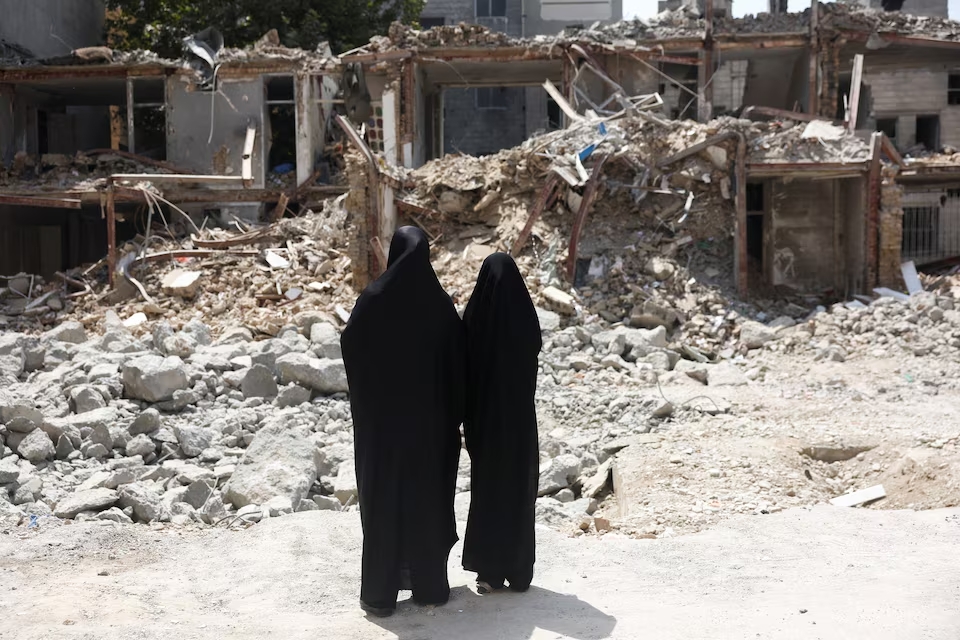
Iran acknowledged strikes near Bandar Abbas and Qeshm Island but did not provide detailed information on the damage. Meanwhile, officials in Jordan said they intercepted incoming missiles, while Bahrain and Kuwait also reported successful defenses against projectiles.
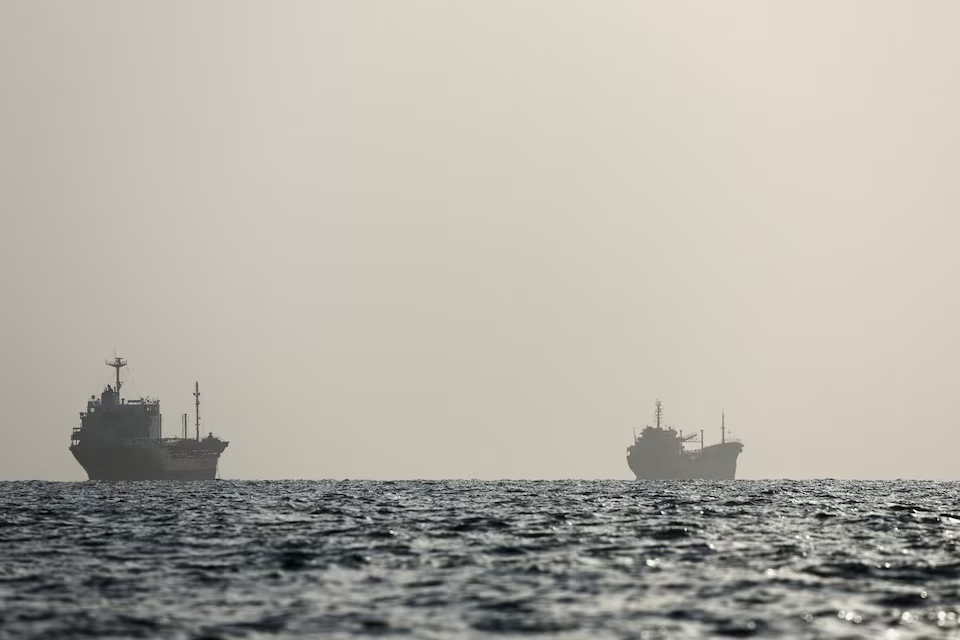
The latest escalation follows weeks of rising tensions in the region, where the conflict has increasingly centered on control and access to the Strait of Hormuz—a critical shipping route responsible for a significant share of global oil transport.
Iran has suggested that it may further disrupt maritime traffic through the strait, while the United States has warned of severe consequences if attacks continue. President Donald Trump said Tehran would “pay the price” for stalled negotiations, signaling a tougher stance on ongoing diplomatic efforts.
The strikes come amid a broader conflict involving Israel and Iran, which has expanded into neighboring regions. Israeli forces have also carried out operations in southern Lebanon targeting Hezbollah positions, further intensifying regional instability.
In recent operations, U.S. fighter jets struck surveillance and defense infrastructure, while Iranian forces retaliated with coordinated missile launches. Some projectiles were intercepted over allied territories, preventing further damage.
The situation has also raised global economic concerns. Oil prices have climbed as markets react to instability in one of the world’s most important energy corridors. Analysts warn that continued disruptions in the Strait of Hormuz could drive further volatility in global energy markets.
Diplomatic efforts continue behind the scenes, with mediators attempting to prevent further escalation. However, both Washington and Tehran remain firm in their positions, and negotiations appear increasingly fragile.
As strikes continue and rhetoric intensifies, the risk of a wider regional war remains high, with global attention focused on whether diplomacy can still prevent further escalation between the United States and Iran.
Author: Staff Writer | Edited for WTFwire.com | SOURCE: AP News
: 149