SpaceX IPO Pushes Valuation Above $2 Trillion in Record Debut


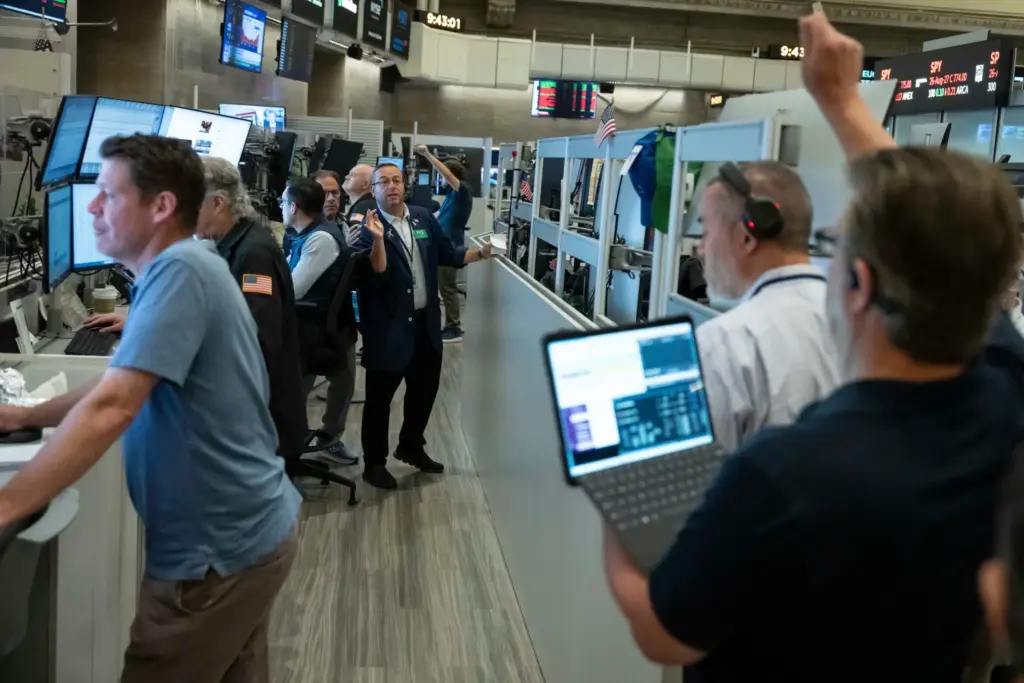
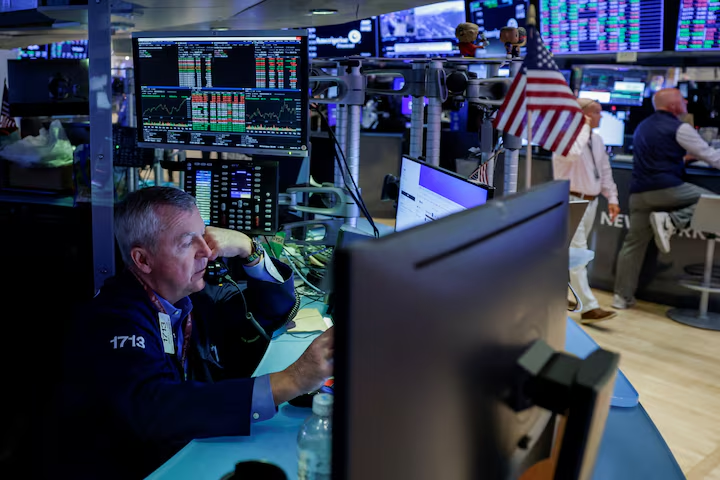
SpaceX IPO valuation soared above $2 trillion on Friday after the company’s highly anticipated Nasdaq debut sent shares sharply higher, marking the largest public offering in history and reinforcing investor confidence in Elon Musk’s growing technology empire.
Shares opened at $150, well above the initial public offering price of $135, before climbing further to around $164 during early trading. The rally elevated SpaceX into the ranks of the world’s most valuable companies and made it the sixth-largest publicly traded company in the United States by market capitalization.
The historic debut follows a record-breaking $75 billion IPO, surpassing the previous record established by Saudi Aramco in 2019. Investors poured into the stock, betting on SpaceX’s dominant position in commercial space launches, satellite communications, and future artificial intelligence opportunities.
SpaceX IPO Valuation Reaches Historic Milestone
The company’s strong market performance immediately after listing reflects enormous investor enthusiasm for Musk’s long-term vision. The surge also cements Musk’s position as the world’s wealthiest individual and the first person to achieve a trillion-dollar personal fortune.
SpaceX generated approximately $18.7 billion in revenue during 2025, driven largely by its launch business and its rapidly expanding Starlink satellite internet network. However, the company reported a net loss of nearly $5 billion last year, highlighting the premium investors are willing to pay for future growth potential.
Despite concerns about profitability, many market participants view SpaceX as a unique company operating in industries with enormous long-term opportunities.
Investors Bet on Space and Artificial Intelligence
SpaceX executives estimate the company’s total addressable market at $28.5 trillion, describing it as one of the largest commercial opportunities in history.
The company already dominates global launch services, accounting for more than 80% of the mass sent into orbit over the past three years. Meanwhile, Starlink continues expanding worldwide, providing internet connectivity across remote regions and generating recurring revenue.
Some analysts believe the company’s next growth engine could come from artificial intelligence applications tied to its satellite infrastructure and data capabilities.
Investors have compared SpaceX to Tesla, another Musk-led company that achieved a massive valuation despite years of skepticism from traditional analysts.
IPO Seen as Test for Future Mega Listings
Wall Street is closely watching the performance of SpaceX shares because the IPO could influence upcoming public offerings from major artificial intelligence companies such as OpenAI and Anthropic.
A successful debut may encourage additional high-profile technology firms to pursue public listings. It also signals strong investor appetite for companies focused on emerging technologies, even when traditional valuation metrics appear stretched.
The company is expected to gain rapid inclusion in the Nasdaq 100 Index, potentially creating additional demand from exchange-traded funds and institutional investors that track the benchmark.
Challenges Remain Despite Market Optimism
While enthusiasm remains high, some analysts caution that SpaceX faces significant challenges.
Competitors such as Blue Origin continue investing heavily in commercial space exploration and government contracts. Regulatory hurdles, technological risks, and the enormous costs associated with space infrastructure could also impact future profitability.
Morningstar analysts recently estimated that SpaceX’s fair value is closer to $780 billion, far below its current market capitalization.
Still, many investors argue that conventional valuation methods struggle to capture the potential of transformative companies operating at the frontier of technology.
Outlook for SpaceX
The record-breaking debut represents a landmark moment for both SpaceX and the broader IPO market. As investors look ahead to future AI and technology listings, SpaceX has set a new benchmark for market enthusiasm and valuation expectations.
Whether the company can justify its $2 trillion valuation will depend on its ability to expand Starlink, maintain leadership in space launches, develop new revenue streams, and capitalize on emerging opportunities in artificial intelligence and advanced communications technology.
For now, the market appears willing to bet that Elon Musk’s most ambitious company still has significant room to grow.
Author: Staff Writer | Edited for WTFwire.com | SOURCE: Reuters
: 279