Three Tankers Hit in Strait of Hormuz as US Revokes Iran Oil License

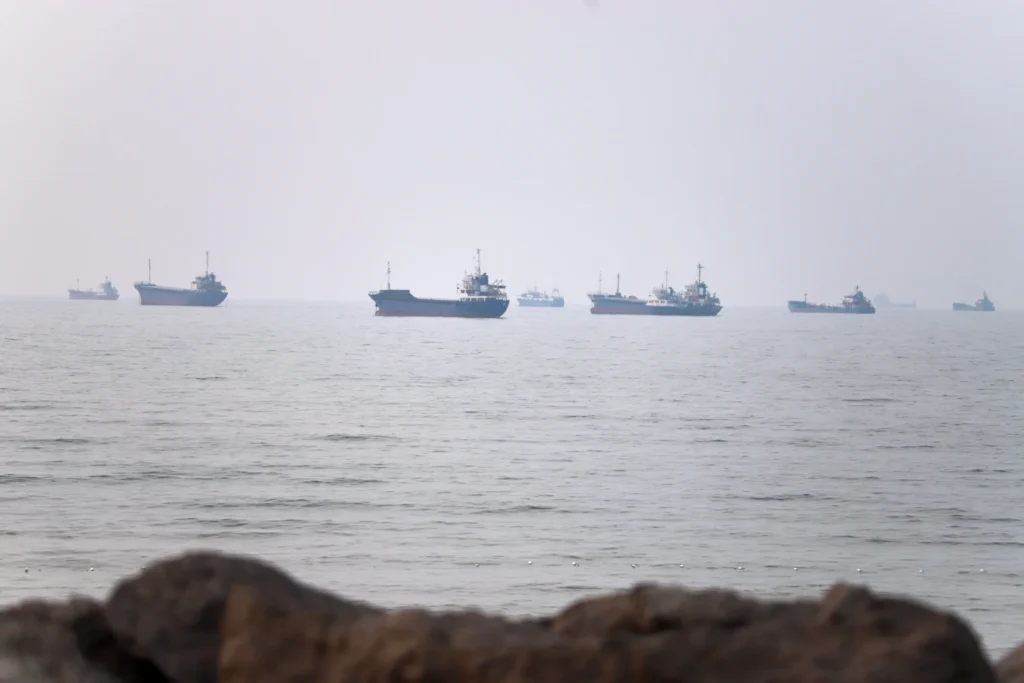
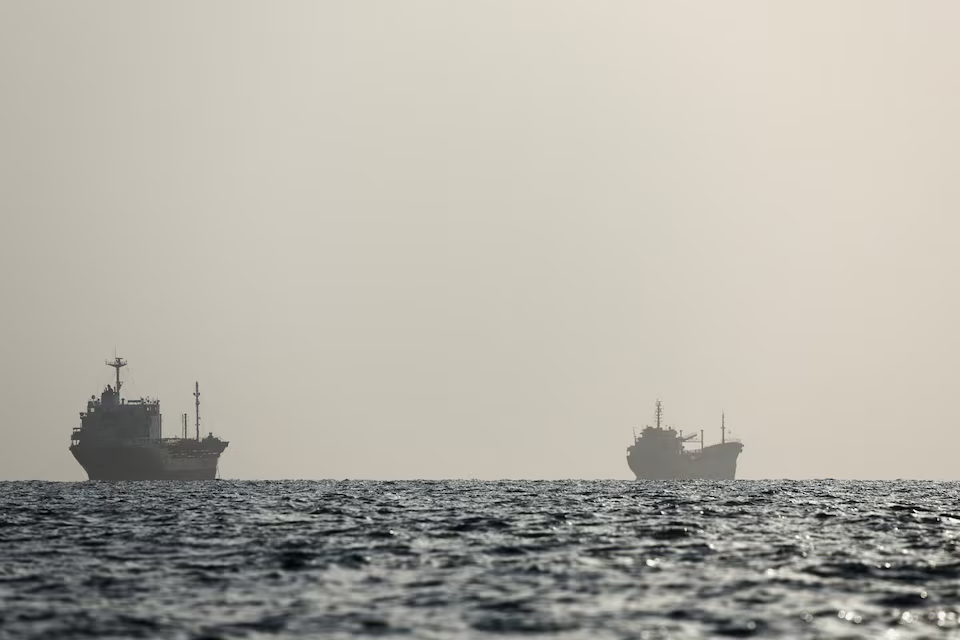
Three oil and gas tankers were hit by projectiles in the Strait of Hormuz on Tuesday in the most attacks in a single day since late April, the British military said, as the United States revoked a sanctions waiver that had authorized the sale of Iranian oil — marking a sharp escalation in the fragile standoff over control of the world’s most critical energy shipping lane.
Most Attacks in a Single Day Since April
The UK Maritime Trade Operations center confirmed all three incidents, which data from the UN International Maritime Organization identified as the highest one-day total of Hormuz attacks since late April. The fresh assaults threatened to choke off shipping traffic through a waterway that, in peacetime, carries roughly one-fifth of all globally traded oil and liquefied natural gas.
One tanker, traveling south near Limah, Oman, was carrying liquefied natural gas when a projectile struck its left-side engine room and sparked a fire. Iranian state television, citing anonymous sources, implied Tehran carried out the attack on a vessel it said was transporting natural gas from Qatar — but stopped short of issuing an official claim of responsibility.
Qatar’s Foreign Ministry spokesperson Majed Al-Ansari confirmed the vessel was the Qatari tanker Al Rekayyat and called the strike an “unacceptable attack” on international navigation and global energy security. “Qatar holds Iran fully legally responsible,” he wrote on X.
Two additional tankers sustained damage but no injuries were reported, and both continued on their way, according to the UK agency. Location data for all three incidents placed the attacks off the coasts of Oman and the neighboring United Arab Emirates — suggesting the ships were using the alternative route near the Omani shore that Tehran has repeatedly warned against.
US Revokes Iranian Oil License
Hours after the attacks, the United States revoked a 60-day Treasury license issued last month that had waived sanctions on Iranian oil production, delivery, and sale through August 21. A US official, speaking on condition of anonymity, said the license was pulled because Iran’s behavior in the strait was “unacceptable and needed to be met with consequences.” The Iranian mission to the United Nations did not respond to a request for comment.
The revocation marked a significant reversal. The license had been issued as part of an interim ceasefire deal, with Vice President JD Vance describing lengthy talks in Switzerland as creating a “good foundation for a successful final deal.” The Trump administration now faces a more confrontational dynamic as it tries to keep negotiations alive.
Trump Warns Iran of Further Action
Speaking Monday at the White House, Trump warned that Iran would need to “make a deal, or we’re going to finish the job.” He added that the US could “knock down their bridges in one hour” and “knock out their energy supply,” while expressing a preference for a negotiated resolution. “I’d rather make a deal, because I don’t want to affect 91 million people,” he said.
The interim ceasefire deal had allowed ships to transit the strait without paying fees for 60 days. But Tehran has insisted on controlling vessels’ approved routes and charging transit fees going forward — a position the US and Gulf Arab states have flatly rejected as a fundamental violation of the principle of freedom of navigation.
Iran’s joint military command warned last Thursday that tankers using non-approved routes would face consequences, and that US interference in the strait “will be met with a rapid and decisive reaction.” The US-led Joint Maritime Information Center told shippers Monday that the route near Oman “remains available for all traffic” — a direct contradiction of Tehran’s position.
Over the past weekend, at least 108 ships crossed the strait using various routes, according to data firm Kpler.
Talks on Hold During Khamenei Funeral
US-Iran negotiations are effectively paused pending the conclusion of the dayslong funeral ceremonies for Supreme Leader Ayatollah Ali Khamenei, who was killed in the February 28 airstrikes that launched the war. Mourners at the funeral have openly called for the death of President Trump.
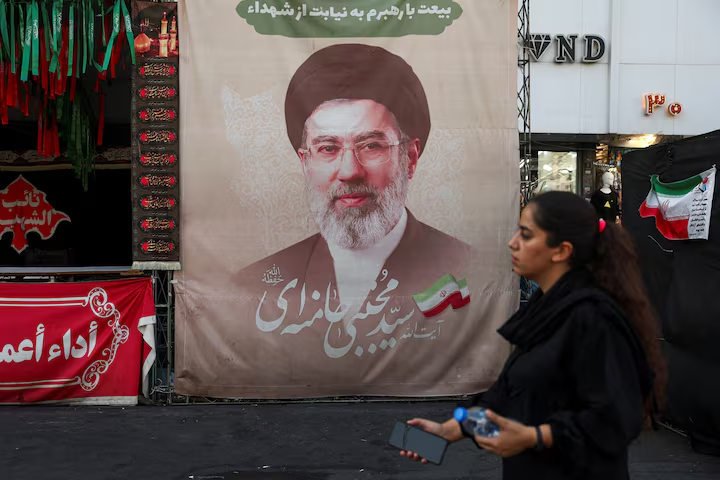
Hundreds of thousands of people gathered Tuesday at Jamkaran Mosque near Qom, the Shiite seminary city south of Tehran, for a major funeral service. Iranian state television aired live images of the vast crowds, with banners displaying images of Khamenei and his son Mojtaba Khamenei — Iran’s new Supreme Leader — who has yet to make a public appearance at the ceremonies. He is believed to be in hiding after reportedly being wounded in the strike that killed his father.
Khamenei’s body was flown Tuesday night to Najaf, Iraq, where processions are planned for Wednesday in Najaf and Karbala, the two holiest cities of Iraqi Shiism. He will be returned to Iran and buried Thursday at the Imam Reza shrine in Mashhad, his birthplace. He was 86 years old.
Author: Staff Writer | Edited for WTFwire.com | SOURCE: AP News
: 227